
Blooming
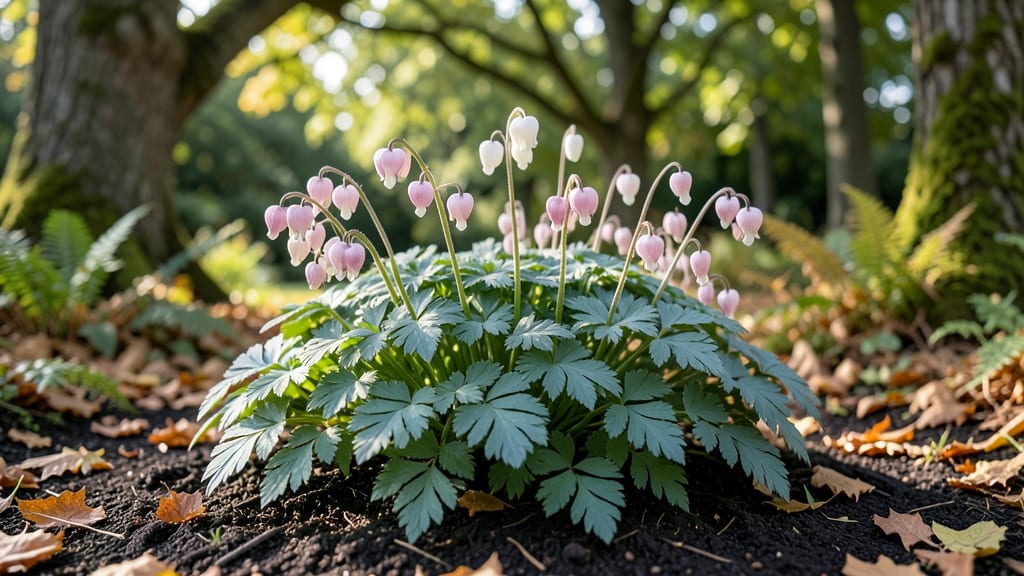
The bleeding heart flower blooms in early to mid-spring 💔, turning your garden into a dreamy waterfall of pink and white hearts—but timing depends entirely on your USDA zone.
If you’ve ever wondered why your Dicentra spectabilis vanishes by summer, the secret is in its precise bloom windows. In Zone 6, expect those iconic heart-shaped blooms between March and April, while cooler regions like the Pacific Northwest may see them as early as February.
Sunlight, soil moisture, and even last year’s pruning can shift that schedule by weeks. Too much sun in hot climates? Your blooms might fade faster. Too little water? They’ll struggle to set buds at all.
The good news? With a few simple tweaks—like adjusting shade or fertilizing at the right time—you can stretch that spring display by 6+ weeks instead of just a few.
Below, I’ll break down the exact months by zone, plus the easiest tricks to keep your bleeding hearts blooming longer—so you’re not left staring at empty stems by June.
Exact bleeding heart bloom time by USDA Zone: month-by-month guide
Timing matters when it comes to bleeding heart flowers (Dicentra spectabilis), as their stunning heart-shaped blooms appear in a precise window tied to your USDA hardiness zone.
In cooler zones like Zone 3-4, you’ll see flowers emerge as early as late April, while warmer Zone 9 gardens may wait until late March. Understanding these patterns helps you plan companion plants and extend the display with simple adjustments.
Regional microclimates also shift bloom times—Pacific Northwest gardens often see flowers 2-3 weeks earlier than Midwest locations due to milder winters. Coastal areas with moderate temperatures may enjoy prolonged blooming into early June, while inland heat can shorten the season.
Let’s break down the exact month-by-month bloom windows for each zone.
| Zone | Early Bloom | Peak Bloom | Late Bloom | Notes |
|---|---|---|---|---|
| 3-4 | Late April | May | Early June | Cool climates delay blooms until frost risk passes |
| 5-6 | Early April | April-May | Late May | Classic mid-spring bloomer; 4-6 weeks of color |
| 7-8 | Late March | March-April | Early May | Warmer zones bloom earlier; heat can shorten season |
| 9 | Late February | February-March | April | Early blooms possible; may rebloom with care |
In Zone 3-4, where winters are harsh, bleeding hearts often wait until late April to bloom, aligning with soil temperatures reaching 50°F. This delay ensures roots establish before flowering. Meanwhile, Zone 9 gardeners can enjoy February blooms, making them one of the earliest spring performers.
The key difference? Cooler zones prioritize root growth first, while warmer zones trigger blooms sooner.
For gardeners in Zone 5-6, the classic bloom window spans April through May, offering a 4-6 week display of pink and white heart-shaped flowers. This makes them perfect companions for early bulbs like daffodils and hostas, which emerge around the same time.
Plant them near shade-loving perennials like heuchera or ferns to create a layered spring garden.
Regional variations play a huge role—Pacific Northwest gardens in Zone 7-8 often see blooms 2 weeks earlier than Midwest locations due to cooler coastal temperatures. Inland heat can cause Zone 8-9 plants to bloom and fade faster, especially if they receive afternoon sun.
To combat this, I recommend dappled shade and consistent moisture to extend the season.
Did you know bleeding hearts are short-lived perennials? Their bloom time shortens each year unless you divide clumps every 3-4 years. This practice rejuvenates the plant, often resetting bloom times to their original vigor.
For example, a 5-year-old clump in Zone 6 might bloom 3 weeks later than a freshly divided one—so plan your garden layout accordingly!
To maximize your bleeding heart display, time planting for early fall (Zone 3-6) or
How to extend your bleeding heart bloom season: pro tips for longer displays
Bleeding heart flowers (Dicentra spectabilis) typically bloom for just 3-4 weeks in spring, but with the right techniques, you can stretch that display to 6+ weeks. The secret lies in understanding their natural dormancy cycle and working with—not against—it.
By adjusting care practices, you can trick your plants into lingering in bloom longer, creating a stunning garden showpiece.
Most gardeners assume bleeding hearts fade because they’re done blooming, but the real reason is summer heat stress and improper aftercare. These shade-loving perennials enter dormancy when temperatures rise, but with strategic interventions, you can delay that process.
Let’s explore the most effective methods to keep your bleeding hearts in full bloom for weeks longer.
- 🌿 Deadhead aggressively—Remove spent blooms immediately to redirect energy into new flowers instead of seed production.
- 💧 Maintain consistent moisture—Keep soil evenly damp (not soggy) to prevent stress-induced dormancy.
- ☀️ Adjust shade levels—Increase afternoon shade in hot climates (Zones 7-9) to reduce heat stress.
- 🌱 Fertilize lightly in early summer—Use a low-nitrogen fertilizer (5-10-10) to support foliage without overstimulating growth.
- 🌳 Plant with shade companions—Pair with hostas or ferns to create a cooler microclimate and extend bloom time.
Deadheading is the #1 trick for prolonging blooms. Unlike many flowers, bleeding hearts don’t produce new blooms on old stems, so removing spent flowers as soon as they fade prevents energy waste.
Use clean, sharp bypass pruners to snip stems just above the first set of leaves—this encourages the plant to focus on new growth rather than seed production.
Soil moisture plays a critical role in delaying dormancy. Bleeding hearts thrive in consistently moist but well-draining soil, so mulch with 2-3 inches of organic matter (like shredded bark) to retain humidity.
In hot, dry zones (8-9), water deeply twice weekly during peak bloom to prevent wilting, which triggers early dormancy.
Shade adjustments can work wonders in warmer regions. If your bleeding hearts start wilting by late May, they’re signaling heat stress. Move potted plants to dappled shade or add a lightweight shade cloth (30-50% coverage) over in-ground plants.
This simple tweak can extend blooms by 2-3 weeks in Zones 7-9.
Companion planting is another game-changer for prolonging displays. Pair bleeding hearts with low-growing perennials like heucheras or ajugas, which provide ground cover and help regulate soil temperature. Avoid planting near competitive roots (like large shrubs) that could stress your bleeding hearts during their peak blooming phase.
With these strategies, you’ll transform your bleeding hearts from a fleeting spring spectacle into a longer-lasting garden highlight. Start implementing these tips now, and enjoy heart-shaped blooms for weeks instead of just a few short weeks! 🌷