
Flowers
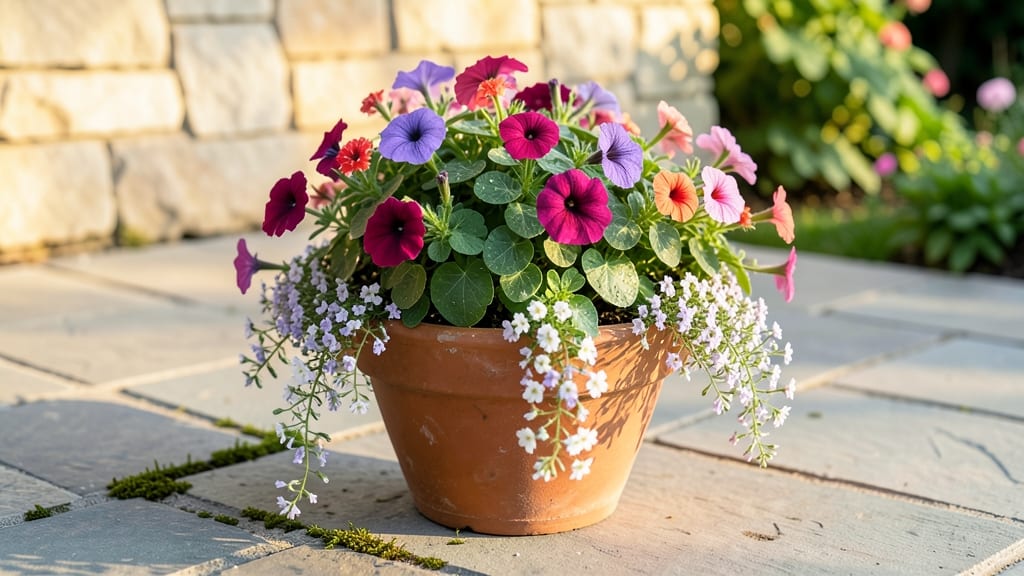
A wide flower pot gives your General Container Flower 🌸 the room it craves without taking over your patio or balcony.
Picture this: your bougainvillea sprawling across a shallow pot, roots cramped and leaves wilting by summer. That’s the difference a few extra inches can make. Wide pots aren’t just about looks—they’re the secret to bushier blooms and happier plants, especially for varieties that hate being root-bound.
Whether you’re working with a small balcony or a cozy corner, the right wide pot can transform your space. We’ll cover the best styles for drainage, material picks (terracotta vs. ceramic), and how to pair pots with plants like ferns or trailing vines to maximize both beauty and growth.
Ready to upgrade your containers? By the end, you’ll know how to choose pots that fit your plants and your style—without sacrificing a single inch of curb appeal.
Best wide flower pots for bushy plants: space-saving styles
Wide flower pots are a game-changer for bushy plants like bougainvillea or monstera that need room to spread their roots without taking over your space. These containers maximize root growth while fitting perfectly on small balconies, patios, or even indoor corners.
The key is choosing the right shape, material, and drainage to keep your plants thriving.
Not all wide pots are created equal. Some designs, like square or oval pots, offer more surface area for roots to expand, while others, such as tiered pots, create vertical space for multiple plants.
The material—whether terracotta, plastic, or ceramic—also plays a crucial role in moisture retention, weight, and durability. Let’s break down the best options to help you make an informed choice.
Terracotta pots are classic for a reason—they’re breathable and wick moisture, making them ideal for plants like succulents or herbs. However, they can dry out quickly in hot climates, so I recommend using them in shaded areas or pairing them with a moisture-retaining liner.
On the other hand, plastic pots retain moisture longer and are lightweight, perfect for travel or balconies where weight matters.
Ceramic pots add a touch of elegance but can be heavy and prone to cracking if dropped. They’re great for decorative plants like ornamental grasses or ferns that don’t require frequent watering. For self-watering pots, the built-in reservoir ensures consistent moisture, which is a lifesaver for busy gardeners or those with thirsty plants like impatiens.
Drainage is non-negotiable for healthy roots. Always check for pre-drilled holes or plan to add them yourself. If you’re repurposing a container without drainage, like a wooden crate or bucket, elevate it on pot feet or use a saucer with pebbles to prevent waterlogging.
My go-to trick? Place a layer of gravel or broken pottery at the bottom before adding soil to improve airflow.
For small spaces, consider narrower but deeper pots for root-heavy plants like tomatoes or citrus trees, while wider, shallower pots work better for spreading plants such as hostas or daylilies.
Pro tip: If you’re growing multiple plants in one pot, choose a container that’s at least 12 inches wide to give roots enough room to establish without competing for space.
Don’t overlook the aesthetic appeal of your wide pots. Mixing colors and textures—like pairing a matte black ceramic pot with a bright terracotta planter—adds visual interest while keeping your space cohesive.
For a cohesive look, stick to a neutral color palette like greens, whites, or earthy tones, and let your plants pop with vibrant blooms.
When in doubt, start with a medium-sized pot (14-18 inches in diameter) for most bushy plants. You can always upgrade to a larger container as your plant grows.
And remember, the wider the pot, the more soil volume your plant has to access nutrients—just don’t go overboard, or you’ll end up with a waterlogged mess.
Wide flower pots are more than just containers—they’re
How to choose a wide flower pot without sacrificing style
Finding the perfect wide flower pot balances practicality and style—especially when your bushy plants like ferns or hydrangeas need room to spread. The key is matching the pot’s width to your plant’s root spread while keeping it lightweight enough for easy moving.
I’ve learned that 12- to 18-inch diameters work best for most container plants, but the material and design can make all the difference.
Don’t overlook hidden features like self-watering bases or built-in storage for tools. These upgrades save time and keep your gardening space organized.
For example, a ceramic pot with a reservoir can reduce watering by up to 30%, while a pot with a removable tray lets you hide pruning shears or gloves. The right pot isn’t just functional—it’s a game-changer for plant health and your sanity.
- 🌿 For ferns & hostas: Choose wide, shallow pots (14-16" diameter) with terracotta or fiberglass for breathability. Their shallow roots need surface area, not depth.
- 🌵 For succulents & cacti: Opt for narrower but deep pots (10-12" diameter) with drainage holes. Glazed ceramic prevents root rot better than plastic.
- 🌸 For trailing plants (petunias, ivy): Pick hanging pots with 16"+ width for sprawling growth. Lightweight plastic makes them easier to move.
- 🪴 For small trees (olive, citrus): Use 20"+ diameter pots with self-watering systems. Fiberglass resists cracking under weight.
- 🎨 For color coordination: Match pot hues to plant foliage (e.g., blue pots for purple foliage) or complement blooms (e.g., white pots for red flowers).
- 💧 For convenience: Look for pots with built-in saucers or hidden storage compartments for gloves, stakes, or fertilizer.
Color coordination isn’t just about looks—it’s about psychological harmony. A terracotta pot with red blooms (like geraniums) creates visual warmth, while cool-toned pots (blue, gray) contrast beautifully with silver foliage (like lamb’s ear). Pro tip: Use neutral-colored pots (black, white, beige) as a canvas for bold-colored plants to pop.
Weight matters more than you’d think. A 16-inch ceramic pot can weigh 20+ pounds when filled with soil, while a plastic version might weigh half that.
If you move pots often, fiberglass or lightweight resin options are lifesavers. For heavy pots, add non-slip pads to prevent tipping—especially on balconies or decks.
Don’t forget to test drainage before planting. Place your pot in a sink or on a tray and run water through it. If water pools at the bottom, the pot isn’t draining properly. For succulents or cacti, add a layer of gravel at the bottom to improve airflow.
A well-draining pot keeps roots happy and prevents root rot, which is a silent killer for container plants.
My top pick for style and function? A wide, oval-shaped pot with a self-watering base. It gives plants room to grow while cutting watering time in half.
Pair it with a color that matches your outdoor decor, and you’ve got a low-maintenance, high-impact solution for any bushy plant. Happy potting! 🌱