
Blooming
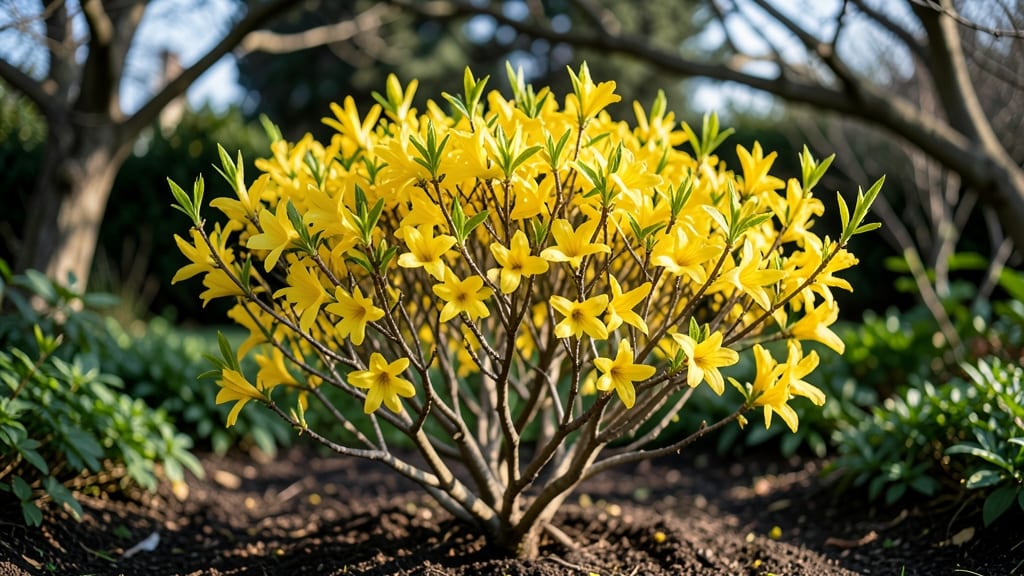
The forsythia flowering time you’ve been waiting for arrives with golden yellow bursts 🌸, but the exact months hinge on your hardiness zone—and a few tricks up your sleeve.
If you’ve ever dreamed of a vibrant spring garden bursting with golden yellow blooms, timing is everything—and forsythia’s flowering schedule depends entirely on your hardiness zone. Miss the window, and you’ll watch your neighbors’ shrubs shine while yours sits dormant.
In Zone 6a, where many gardeners call home, forsythia typically blooms in late March to early April, but cooler springs can push that back by weeks.
Meanwhile, gardeners in warmer zones like 7 or 8 might see their forsythias lighting up as early as February, while those in colder zones like 5 could wait until May.
Don’t let uncertainty hold you back—this guide breaks down the exact months for your zone, plus pro tips to coax earlier or longer blooms, so you can plan your garden’s grand entrance with confidence.
Forsythia flowering time by USDA plant hardiness zones (exact months)
Timing your garden’s forsythia blooms starts with knowing your USDA hardiness zone. This cheerful shrub typically flowers in late winter to early spring, but exact months vary dramatically from Zone 3 to Zone 9.
Understanding these differences helps you plan pruning, fertilizing, and even plant placement for maximum impact.
Forsythia’s golden yellow flowers are nature’s first signal that spring is here—but their arrival depends on your climate. In colder zones, buds may wait for warmer soil temperatures, while milder zones see earlier blooms.
Let’s break down the exact flowering windows for each zone, including early, peak, and late periods.
| USDA Zone | Early Blooms | Peak Blooms | Late Blooms | Climate Notes |
|---|---|---|---|---|
| Zone 3 | Late April | Early May | Mid-May | Needs warm soil; protect from late frosts |
| Zone 4 | Early April | Mid-April | Late April | Watch for frost; mulch heavily |
| Zone 5 | Mid-March | Late March | Early April | Prune after blooms to avoid cutting next year’s flowers |
| Zone 6 | Late February | Early March | Mid-March | Ideal for early spring color |
| Zone 7 | Early February | Mid-February | Late February | Plant near south-facing walls for earlier blooms |
| Zone 8 | Late January | Early February | Mid-February | May experience second blooms in fall |
| Zone 9 | Mid-January | Late January | Early February | Can bloom year-round in mild winters |
In Zone 3, forsythia’s late April to mid-May blooms coincide with the last frost dates in most northern regions. If you’re in Zone 4 or 5, expect flowers as early as mid-March, making it a reliable early spring indicator.
My Zone 5 forsythia always blooms just as daffodils peak—nature’s perfect timing!
Warmer zones like Zone 7 and 8 see forsythia’s bright yellow blooms as early as January or February. In Zone
How to predict and extend forsythia’s blooming season
Want to push your forsythia’s flowering window earlier or stretch those golden blooms longer? The secret lies in understanding its dormancy triggers and growth cues. Forsythia blooms on last year’s wood, meaning proper pruning and winter prep set the stage for spring’s show.
Even a 5-degree Fahrenheit difference in winter can shift bloom time by weeks.
Your microclimate plays a bigger role than you think. A south-facing wall can advance blooms by 2-3 weeks in cooler zones, while poor drainage or overcrowded roots delay them. Let’s break down the actionable steps to predict—and extend—your forsythia’s flowering season like a pro.
Timing your pruning is critical—cut too late, and you risk removing next year’s flower buds. I prune my Zone 6a forsythia in early March, just as the first daffodils push through the soil. This ensures I’ve trimmed last year’s spent blooms but leave enough dormant buds to flower.
For longer blooming seasons, focus on consistent moisture during bud formation. Deep watering once a week in early spring encourages stronger stems, while mulching retains soil moisture. My Zone 7 garden’s forsythia blooms for 3 weeks thanks to these simple tweaks.
Don’t overlook microclimate hacks. A stone wall on the south side of my yard adds 5-10°F warmth compared to open areas, letting my forsythia bloom 10 days earlier. Even a dark-colored mulch absorbs heat to extend the season.
With these 5 key adjustments, you’ll transform your forsythia from a hit-or-miss bloomer into a reliable spring star. Start with pruning and sunlight, then fine-tune with soil and mulch—your golden yellow display will thank you! 🌸