
Light Requirements
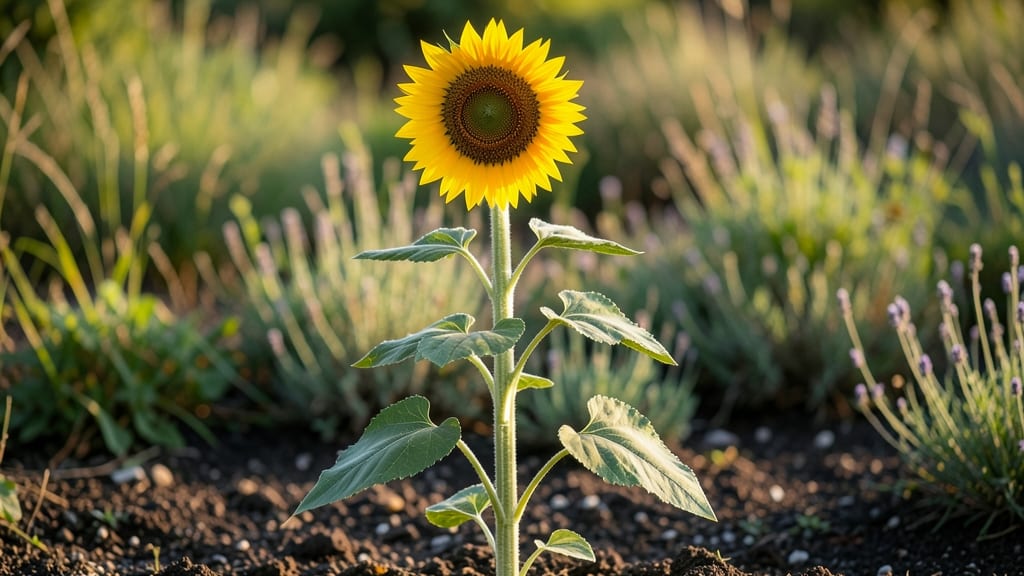
Sunflowers have specific sun requirements to grow tall, vibrant, and productive 🌻 — anything less than 6 to 8 hours of daily sunlight and you’ll end up with sad, spindly stems and tiny blooms.
Picture this: you’ve just planted your seeds in April, full of excitement, only to watch them stretch toward the sky like they’re reaching for a distant lightbulb. That’s your sunflower’s way of saying, "I need more!" And trust me, I’ve been there — twice.
But here’s the thing: sunflowers aren’t just picky about sunlight; they’re demanding. Too little, and they’ll struggle to flower. Too much intense heat without proper care, and you might end up with sunburned leaves.
The key is finding that sweet spot where they soak up enough light to thrive without getting stressed.
In this guide, I’ll break down exactly how many hours of sun your sunflowers need, how to spot when they’re not getting enough (or too much), and some clever tricks to keep them happy in partial shade or scorching climates.
Whether you’re a beginner or a seasoned gardener, you’ll learn how to give your sunflowers the perfect light conditions for towering growth and bountiful blooms.

How many hours of sun do sunflowers need for maximum growth?
Sunflowers aren’t called "sunflowers" for nothing—they thrive under full sun exposure, but their exact needs vary by variety and growth stage. Most sunflowers demand 6 to 8 hours of direct sunlight daily for optimal photosynthesis, but some dwarf varieties can tolerate slightly less.
The key is balancing light with heat tolerance to avoid stress, especially in hot climates.
For giant sunflowers like 'Mammoth' or 'Russian Giant,' 8+ hours of sun is ideal to fuel their towering growth (up to 16 feet tall). These varieties need intense light to develop their massive seed heads and sturdy stems.
Meanwhile, dwarf sunflowers like 'Teddy Bear' or 'Sunspot' can thrive with 5 to 6 hours of sun, making them better suited for partial shade gardens or container growing.
🌱
Sunlight needs also shift during a sunflower’s growth stages. Seedlings benefit from indirect light or partial shade to prevent leggy stems, but once they’re 2-3 inches tall, transition them to full sun for robust development.
During budding and flowering, 10+ hours of sun maximizes photosynthesis, ensuring larger blooms and higher seed production.
Measuring sunlight exposure accurately is easier than you think. Use a sunlight tracker app or a simple sunlight meter to gauge hours of direct light in your garden.
Alternatively, observe nearby plants: if tomatoes or marigolds thrive, your sunflowers will too. South-facing spots typically get the most sun, while north-facing areas may only offer 4-5 hours, which is too little for most varieties.
In hot climates, sunflowers can suffer from sunburn if exposed to intense afternoon heat (12 PM–4 PM). To mitigate this, provide light afternoon shade using cloches or shade cloth, especially for young plants. Mulching with straw also helps retain moisture and cool roots.
Conversely, in cooler climates, extend sunlight exposure by planting near reflective surfaces like white walls or gravel, which bounce light back onto the plants.
For container-grown sunflowers, place pots on south-facing patios or balconies and rotate them weekly to ensure even light exposure. Dwarf varieties like 'Sunspot' can handle 5 hours of morning sun combined with partial afternoon shade, but avoid deep shade entirely—it leads to weak stems and poor blooming.
Always prioritize morning sunlight, as it’s the most intense and beneficial for growth.
🌻
Remember, sunflowers are phototropic, meaning they grow toward light. If your plants start leaning, it’s a sign of insufficient light or uneven exposure. To correct this, gently stake leggy stems or transplant them to a sunnier location.
For maximum height and bloom size, aim for at least 8 hours of sun daily, adjusting slightly for dwarf or shade-tolerant varieties. With the right light, your sunflowers will reward you with golden giants that steal the show.
☀️
Signs your sunflowers aren’t getting enough (or too much) sun
Sunflowers are like sunbathers—they love soaking up rays, but too little or too much can leave them looking unhappy and underwhelming. If your plants are stretching like they’re reaching for the sky or wilting like they’ve had one too many sunburns, it’s time to check their light situation.
The key is finding that sweet spot where they get 6-8 hours of direct sun without turning into crispy critters.
First, let’s talk about the tell-tale signs of sun deprivation. When sunflowers don’t get enough light, they grow leggy stems and small, sparse blooms. Their leaves might appear pale or yellowish, and the whole plant can look weak and spindly.
This happens because the plant stretches toward any available light, but without enough energy from the sun, it can’t grow strong or produce those showstopping flowers you’re dreaming of.
⚠️ callout-warning ⚠️
Too Little Sun: Leggy stems, small blooms, pale leaves, slow growth.
Too Much Sun: Bleached leaves, wilting, crispy edges, stunted growth.
Action: Move plants to a south-facing spot or use reflective surfaces (like white walls) to boost light. For sunburn, provide light shade during peak afternoon hours.
On the flip side, if your sunflowers are getting too much sun, especially in hot climates, you might notice bleached or browned leaves, wilting, or even crispy edges.
This is classic sunburn, and it’s the plant’s way of saying, “Whoa, that’s too intense!” Too much direct sun can also cause the plant to bolt prematurely—meaning it flowers and goes to seed too quickly, leaving you with a sad, underdeveloped bloom.
To diagnose the issue, spend a day observing your sunflowers. Check their location in the garden and how much direct sunlight they’re actually getting. Use a sunlight tracker or even a simple app to measure the hours of light.
If they’re in a shady spot, consider relocating them to a sunnier area or using a reflective surface like a white wall or mirror to bounce extra light their way.
If you suspect sunburn, try providing light shade during the hottest part of the day (around 12 PM to 3 PM). You can use a lightweight shade cloth or even a breathable fabric draped over a frame.
Avoid heavy shade, though—sunflowers still need plenty of light to thrive. The goal is to balance their light exposure so they get enough energy without getting fried.
Remember, sunflowers are sun-worshippers, but like any good thing, too much can be a bad thing. By keeping an eye out for these visual cues and making small adjustments, you’ll help your sunflowers grow tall, strong, and full of glorious blooms.
With the right amount of sun, your garden will soon be dotted with those iconic golden faces turning toward the light. 🌻