
Flowers
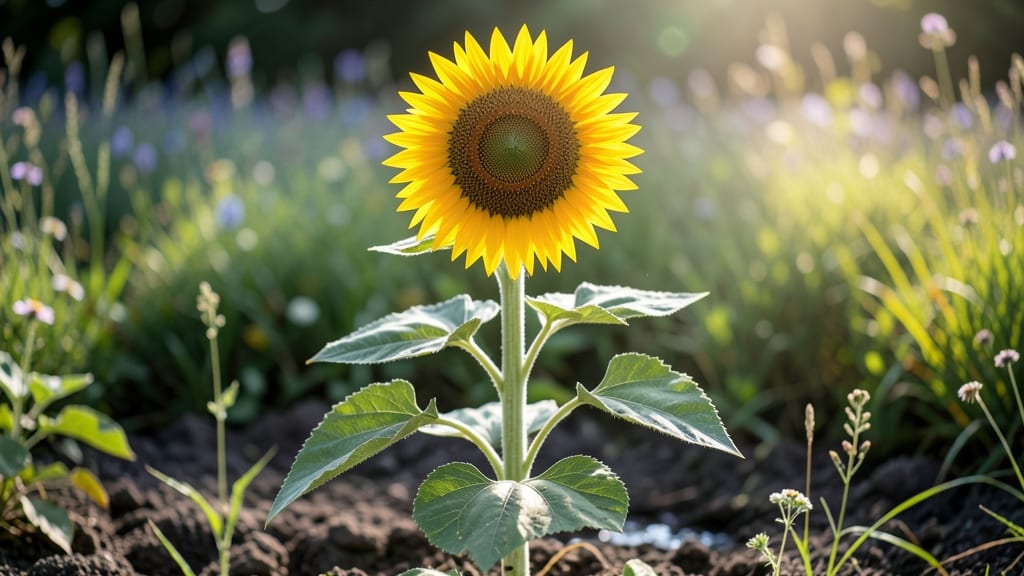
How tall do sunflowers grow? They range from just 2 feet to towering over 14 feet, depending on the variety you choose—making them one of the most versatile plants for your garden design.
Imagine a giant sunflower 🌻 stretching taller than your mailbox, or a dwarf variety perfect for containers and small spaces. The difference isn’t just in aesthetics; it affects everything from spacing to companion plants and even how you use them in your layout.
Whether you’re dreaming of a privacy screen, a bird-friendly border, or simply adding drama to your garden, understanding sunflower height helps you plan with precision. Below, we’ll break down the exact heights of popular varieties and how to choose the right one for your space.
You’ll also discover how to control growth naturally, avoid common mistakes, and turn sunflowers into a functional and stunning part of your outdoor design—no matter how big (or small) your yard is.


Sunflower height by variety: giant, medium, and dwarf types explained
Choosing the right sunflower variety depends entirely on your garden vision. Some varieties stretch toward the sky like skyscrapers, while others stay compact enough for containers or small spaces.
The mature height of sunflowers can range from just 2 feet to over 14 feet, making them versatile for any layout—whether you need a privacy screen or delicate cut flowers.
Sunflowers reach their full height in just 80-120 days, so their growth speed is as impressive as their stature. Understanding these height categories—giant, medium, and dwarf—will help you select the perfect variety for your space, sunlight, and design goals.
Below, I’ve organized 12+ popular sunflower varieties by their mature height ranges, including growth habits and ideal uses. This comparison makes it easy to visualize which sunflower types will thrive in your garden and how they’ll impact your layout.
| Variety | Height Range | Growth Habit | Days to Mature | Best For | ||||||||||||||||
|---|---|---|---|---|---|---|---|---|---|---|---|---|---|---|---|---|---|---|---|---|
| Mammoth | 12–16 ft | Single-stemmed, tall | 90–120 days | Privacy screens, cut flowers | ||||||||||||||||
| Russian Giant | 10–12 ft | Single-stemmed, sturdy | 80–100 days | Bird feeders, focal points | ||||||||||||||||
| Autumn Beauty | 5–9 ft | Single-stemmed, branching | 70–90 days | Cut flowers, pollinator gardens | ||||||||||||||||
| Teddy Bear | 2–3 ft | Compact, bushy | 60–80 days | Containers, borders, kids' gardens | ||||||||||||||||
| Moulin Rouge | 4–6 ft | Bushy, multi-headed | 65–85 days | Cut flowers, pollinators | ||||||||||||||||
| ProCut | 6–8 ft | Single-stemmed, strong | 75–95 days | Floral arrangements, bouquets | ||||||||||||||||
| Sunspot | 2–4 ft | Dwarf, bushy | 60–75 days | Patio gardens, containers | ||||||||||||||||
| Giant Single | 10–14 ft | Tall, single-stemmed | 90–110 days | Privacy, windbreaks | ||||||||||||||||
| Lemon Queen | 3–5 ft | Bushy, multi-branched | 65–80 days | Pollinators, borders | ||||||||||||||||
| Sunrich Orange | 5–7 ft | Single-stemmed, sturdy | 70–90 days | Cut flowers, vases | ||||||||||||||||
| Pacino | 4–6 ft | Bushy, multi-headed | 60–75 days | Pollinators, small gardens | ||||||||||||||||
| Moulin Rouge Double | 3–5 ft | Bushy, double blooms | 70–90 days | Cut flowers, ornamental |
| Height Category | Spacing Needs | Best Garden Uses | Companion Plants |
|---|---|---|---|
| Giant (10-16 ft) | 2-3 ft apart | Privacy screens, windbreaks, focal points | Basil, borage, cosmos |
| Medium (5-9 ft) | 1.5-2 ft apart | Cut flowers, pollinator gardens, mid-height borders | Marigolds, nasturtiums, beans |
| Dwarf (2-4 ft) | 1-2 ft apart | Containers, front borders, pollinator gardens | Calendula, lettuce, radishes |
For vertical gardens, place taller varieties at the back of beds or along fences, with medium-height types in the middle and dwarfs at the front. This creates a natural tiered effect that draws the eye upward.
In small spaces, use dwarf sunflowers in containers—just ensure pots are at least 12 inches deep to accommodate roots.
When using sunflowers as windbreaks, space giant varieties 3 ft apart in a single row. Their dense foliage will reduce wind speed by up to 40% in the leeward side.
For cut-flower gardens, mix heights—tall types in the center with shorter varieties around the edges—to create visual balance and easy access.
Pro tip: Plant sunflowers in odd-numbered groupings (3, 5, or 7 plants) for a more natural, abundant look. This works especially well with medium-height varieties, which thrive in clusters. Always face them toward south-facing windows or open areas to maximize sunlight exposure—critical for their growth potential.
🌻