What this work is made with
This page is not a story. It is a list of the things that hold *Flowering Shrubs* together—the objects that shape the work, the wear that tells their truth.
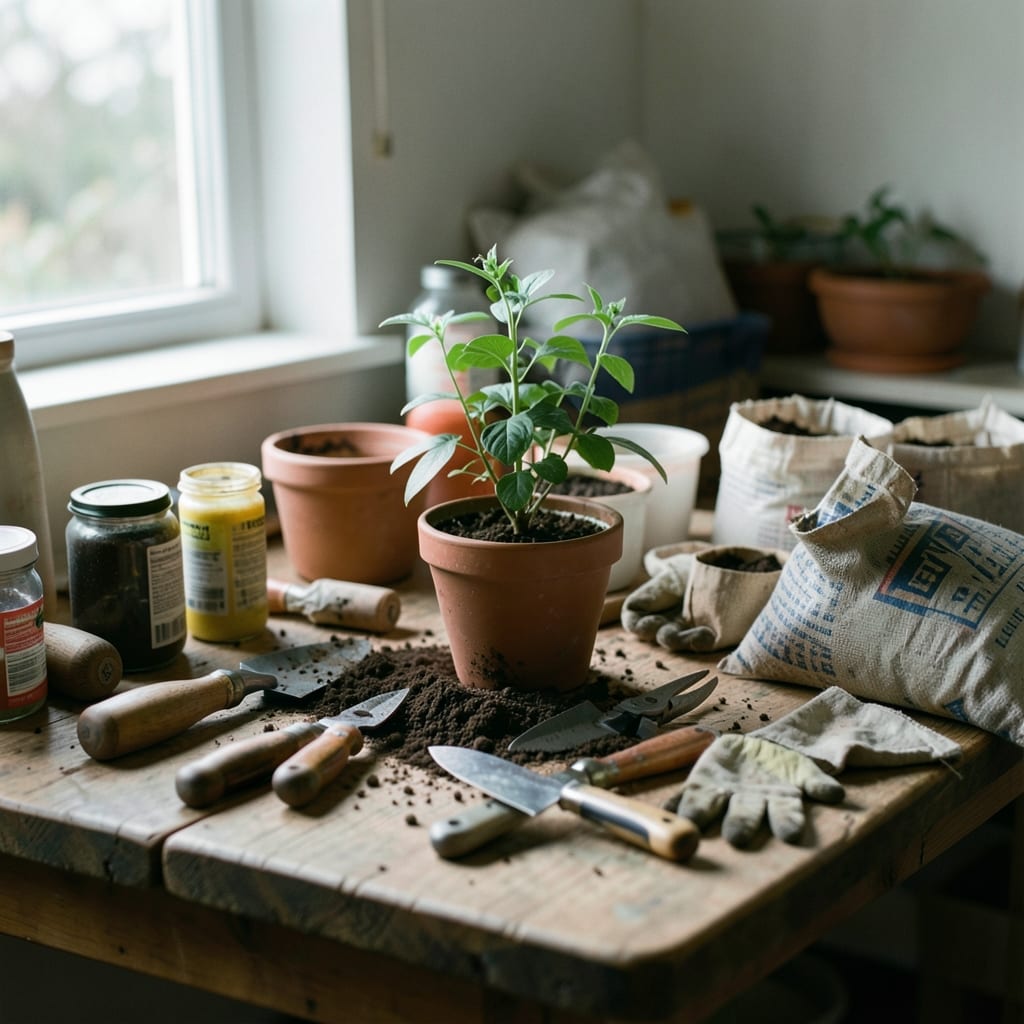
A gardening site does not live in the words alone; it lives in the soil, the tools, and the hands that shape them.
We name what we depend on because that is what you’ll find on every page: not just advice, but the proof of it. The things that do the work are here first.
The things that do the work
These are the four things that shape what you’ll read here. They are not glamorous, not new, and some are barely holding together—but they are what we use to turn dirt into something that grows.
The old pruning shears
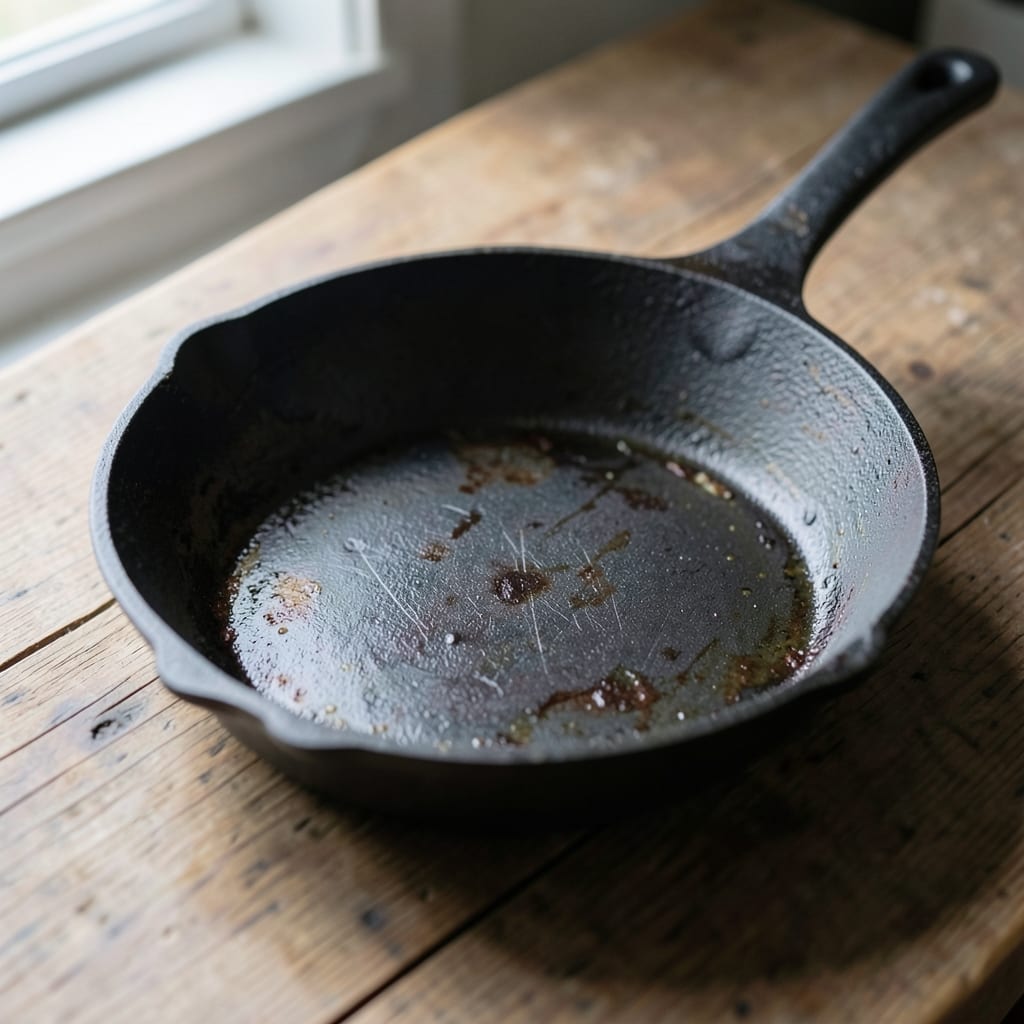
They are rusted at the hinge and the handles are wrapped in frayed tape, but they still cut cleanly. They’ve been here since 2018, when I bought them secondhand from a neighbor who swore they were ‘lucky.’
They taught me that the sharpest tools are the ones that don’t need to be forced—and that the best pruning is the kind you do before the branches get heavy. Now, I notice how other gardeners wince when they use dull shears.
The cracked terracotta pot
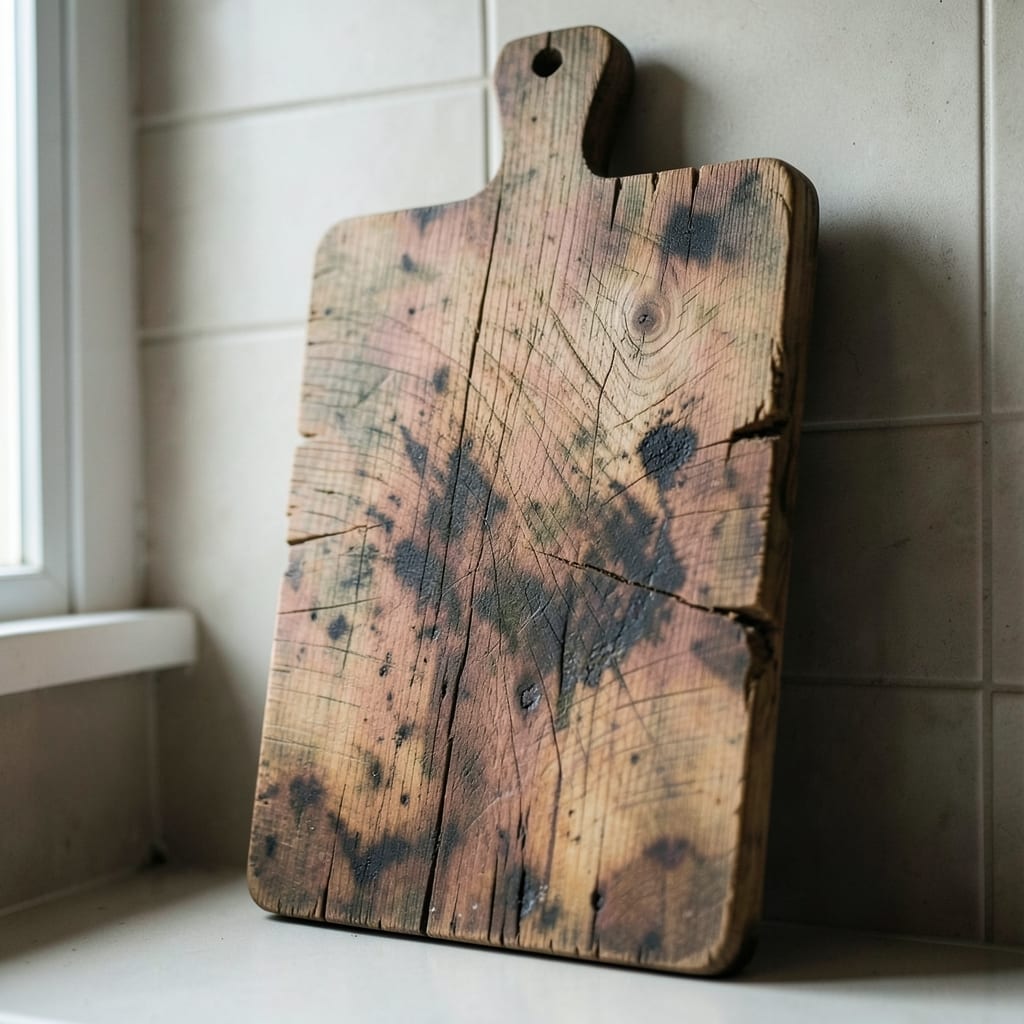
It’s missing a chunk from the rim and has a hairline fracture down one side, but it holds water perfectly. It’s been in the same spot since 2015, when I found it buried in a neighbor’s compost pile.
It taught me that imperfection doesn’t mean failure—just like a plant with a few dead leaves can still thrive. Now, I repurpose broken pots instead of throwing them out.
The wooden seedling tray
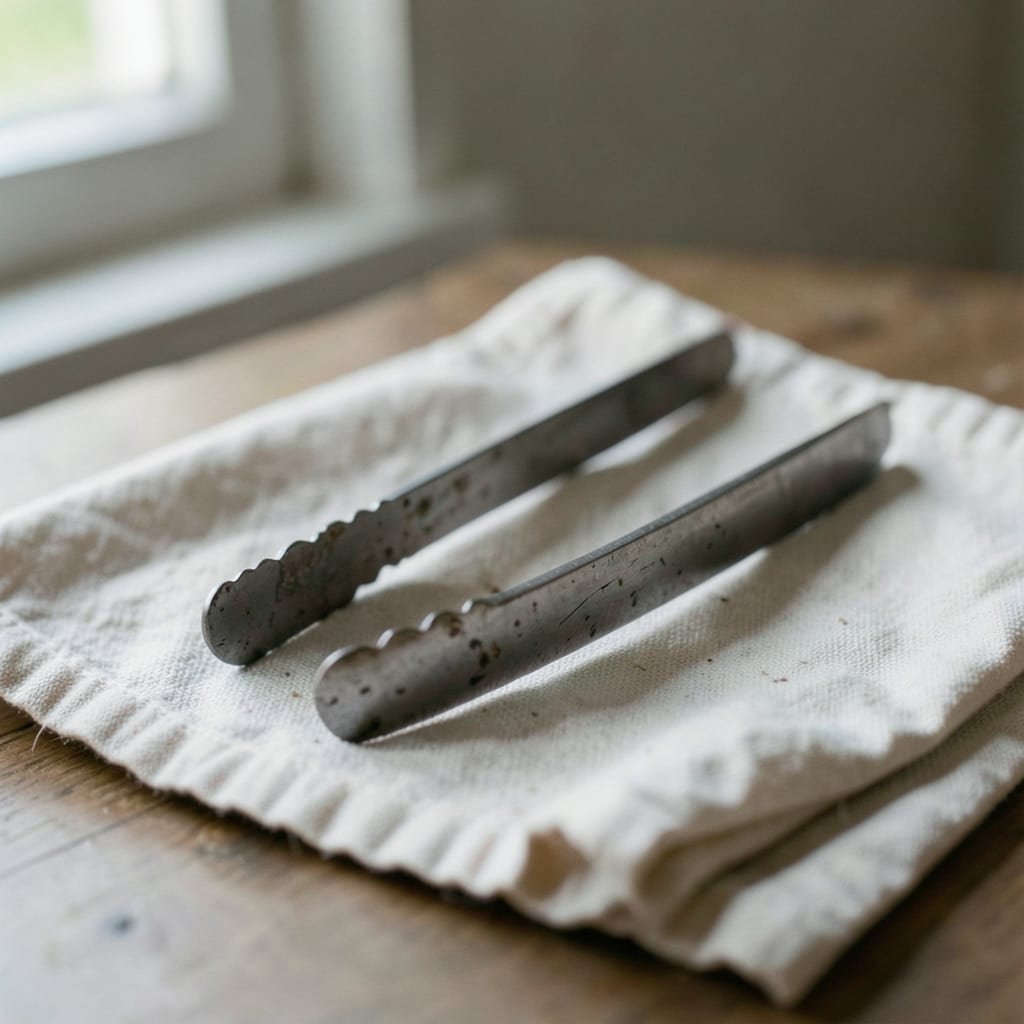
It’s warped from years of soaking and drying, but the drainage holes still work. It’s been here since the site started, salvaged from a discarded pallet.
It taught me that the best seed-starting setups don’t need to be expensive—just reliable. Now, I use it to show how to grow seedlings without buying new trays.
The bent garden fork
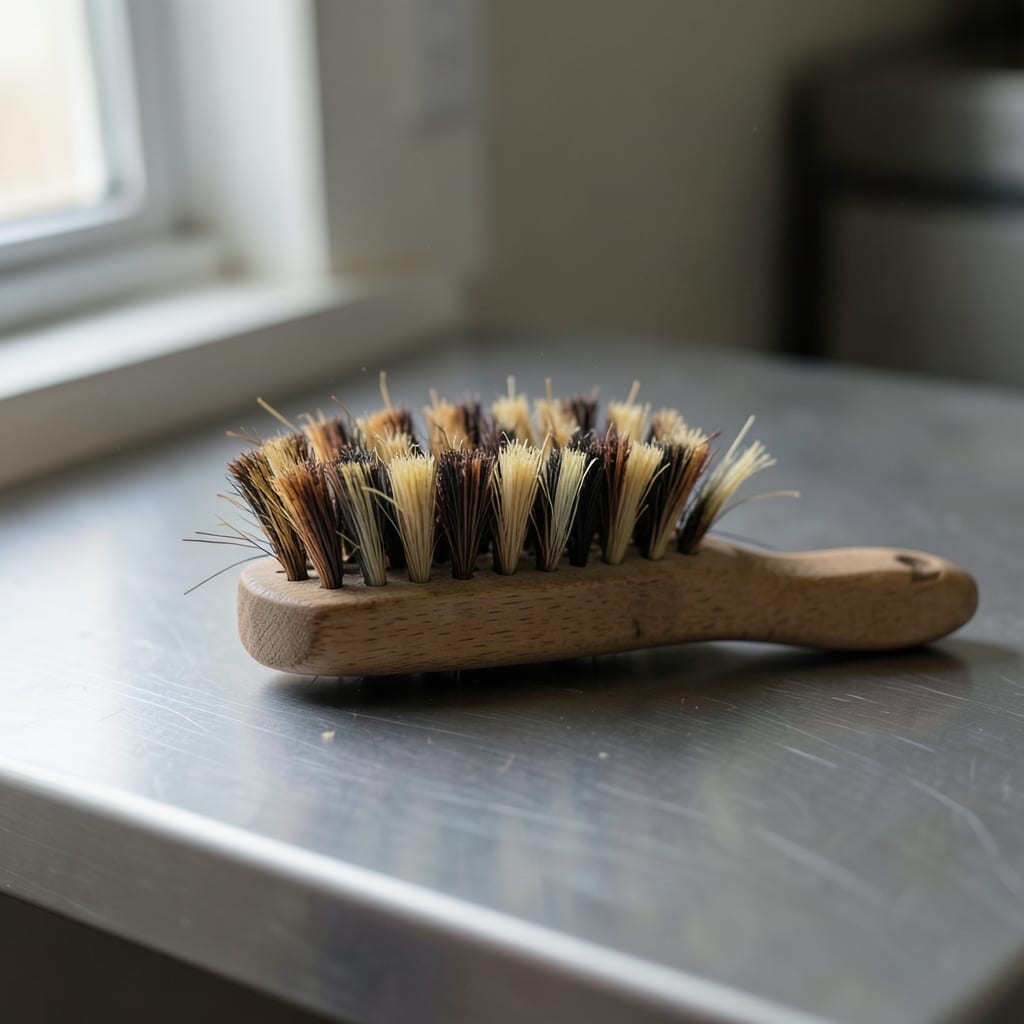
The tines are bent at an angle, but it still turns soil better than any new fork I’ve tried. It’s been here since 2016, when I inherited it from my grandmother.
It taught me that the right tool isn’t always the shiniest one—and that the best gardens are the ones where you work with what you have, not what you wish you had.
What is not in the drawer
Some things we choose not to use. This is not a swipe at others—just what we’ve decided doesn’t belong here.
Deliberately absent
- Chemical fertilizers—we rely on compost and organic matter instead.
- Plastic nursery pots—everything starts in reused containers or direct soil.
- Overly technical language—no Latin names unless they’re common shorthand.
- Paid sponsorships—every recommendation is ours, not someone else’s.
Behind the scenes
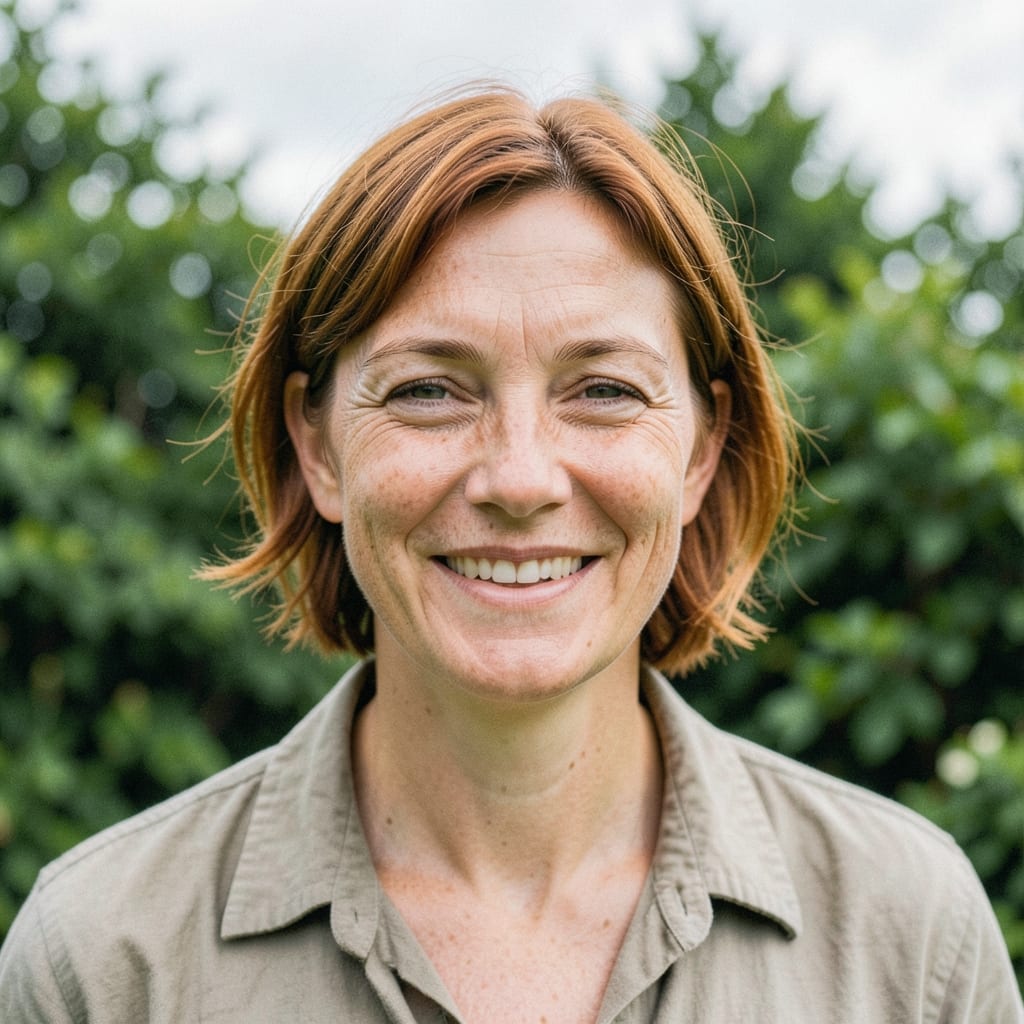
I am Roxanne Fitzgerald, the founder and editor of *Flowering Shrubs*. I am the one who decides what gets planted here, what gets pruned, and what gets left to grow wild.
I’ve always had a green thumb—my childhood was spent sneaking extra seeds from my grandmother’s garden to plant in the cracks of our sidewalk. Now, I’m here to share the joy of growing things with you, from the first sprouts to the full bloom. My approach is simple: practical tips, honest advice, and a little bit of the wonder I still feel every time I see something thrive.
Roxanne Fitzgerald, 2024
What this work is made with
The things you’ve just read about—the shears, the pot, the tray, the fork—are not just tools. They are the reason the advice here feels real. They are the reason you’ll see photos of actual soil, not just staged greenery.
They are the reason every tip has been tested, not just typed.
Every page here is shaped by these objects: the wear on the shears, the cracks in the pot, the warped tray. That means no vague advice, no untried methods, and no reliance on perfect conditions. You’ll get the kind of gardening that works with what you have, not what you wish you had.
If you’d like to ask a question, share a tip, or just tell us about your own garden, visit the contact page.
The guides are grouped by category: Advice, Aphids, Blooming, Companion Plants, Container Gardens and Diseases.