
Size
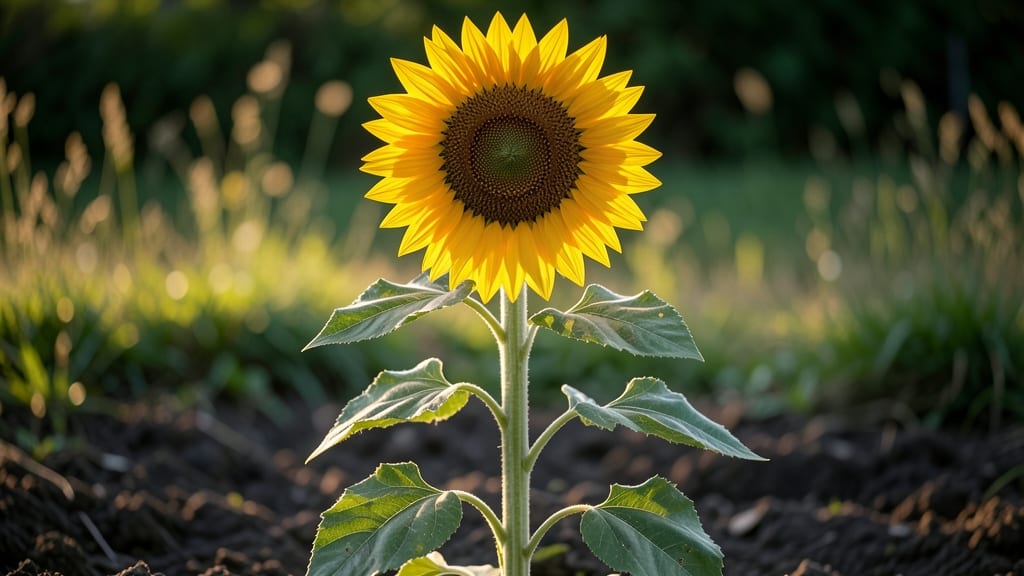
Mammoth sunflowers grow between 10 and 16 feet tall—taller than most gardeners can reach without a ladder, and often rivaling the height of a two-story building.
If you’ve ever dreamed of towering sunflowers that turn heads and attract pollinators, these giants deliver—but their staggering height can surprise even seasoned gardeners. Before planting, knowing exactly how big they’ll get will help you plan spacing, support, and placement for a show-stopping display.
Most varieties reach their full height in just one growing season, with some varieties like 'Russian Giant' hitting 14 to 16 feet by late summer. That means you’ll need to account for their massive spread (up to 2 feet wide) and potential wind damage in your garden layout.
Here’s what you need to know about their growth habits, spacing needs, and how to keep them standing tall—even in breezy conditions.
Mammoth sunflower height ranges by popular variety (with exact measurements)
Mammoth sunflowers are legendary for their towering presence, but not all varieties reach the same staggering heights. The Russian Giant variety often leads the pack, while others like Autumn Beauty offer slightly shorter but equally stunning displays.
Understanding these differences helps you choose the perfect variety for your garden space and design goals.
Most Mammoth sunflowers mature between 10 and 16 feet in a single growing season, but their exact height depends on the variety, growing conditions, and care. For example, Russian Giant can hit 14 to 16 feet, while Mammoth (the classic variety) typically reaches 10 to 14 feet.
These differences matter when planning spacing and support structures.
Sunlight and soil quality play critical roles in their growth. Mammoth sunflowers thrive in full sun (6+ hours daily) and well-draining soil rich in organic matter. Poor soil or shade can stunt their growth by 30% or more, so amending your soil with compost before planting is essential for maximizing their height potential.
When planning your garden layout, remember that Mammoth sunflowers need ample space to avoid overcrowding. Planting them 18–36 inches apart (depending on the variety) ensures they have room to develop strong stems and reach their full height without competing for nutrients.
For varieties like Russian Giant, consider adding stakes or cages early in their growth to prevent wind damage. These giants can become top-heavy, especially in late summer when their heads mature.
A simple 3-foot bamboo stake driven deep into the soil and loosely tied to the stem can make all the difference.
If you’re growing Mammoth sunflowers in containers or small spaces, opt for slightly shorter varieties like Autumn Beauty (10–12 ft) and use large pots (at least 18 inches wide and deep) to accommodate their root systems. Even in containers, they’ll need full sun and consistent watering to thrive.
Proper spacing isn’t just about height—it’s also about air circulation. Crowded plants are more prone to fungal diseases like powdery mildew, which can weaken stems and reduce their ability to support those massive flower heads. Aim for at least 18 inches between plants to keep airflow optimal.
For maximum height, start seeds indoors 4–6 weeks before the last frost and transplant seedlings outdoors after the soil warms to 50°F (10°C). This head start gives their roots time to establish before the rapid growth phase begins in late spring.
With the right conditions, you’ll see 1–2 feet of growth per week during peak season.
🌻
How to prepare your garden for Mammoth sunflower growth (avoid common mistakes)
Mammoth sunflowers can reach 10 to 16 feet tall, making them one of the tallest annual flowers you can grow. Their massive height means proper preparation is key to preventing flopping stems, poor growth, or even total collapse.
Many gardeners overlook critical steps like soil prep and staking, which directly impact how tall and strong their sunflowers become.
To ensure your Mammoth sunflowers thrive, start by choosing a sunny, open location with well-draining soil. These giants need 6-8 hours of direct sunlight daily and rich, fertile soil to support their rapid growth.
Skipping soil amendments or planting in shady spots can stunt their height by 30% or more, leaving you with underwhelming results.
⚠️ WARNING: Common Mistakes That Stunt Growth ⚠️
⚠️ Overcrowding
Planting Mammoth sunflowers too closely (less than 18 inches apart) leads to competition for nutrients and weak stems. This mistake can reduce height by up to 4 feet and increase disease risk.
⚠️ Poor Staking
Skipping staking or using flimsy supports lets wind and rain bend stems, causing them to flop. Even 6-foot varieties may need staking in breezy areas to reach full height.
⚠️ Inconsistent Watering
Drought stress during blooming stages can shrink flower heads by 50% or more. Deep watering every 3-5 days keeps stems sturdy and encourages maximum height.
Begin by amending your soil with compost or aged manure to boost fertility. Mammoth sunflowers thrive in soil with a pH between 6.0 and 7.0, so test your soil and adjust if needed.
I always add a balanced 10-10-10 fertilizer at planting time to give my sunflowers a strong start, followed by a second feeding when they reach 3 feet tall.
Staking is non-negotiable for these giants. Use bamboo stakes or metal cages inserted 6 inches deep at planting. Tie stems loosely with soft plant ties every 2 feet as they grow—tight ties can damage stems. For extra wind protection, consider planting near a fence or trellis to provide natural support.
Watering deep and early in the day prevents fungal diseases like powdery mildew, which can weaken stems and reduce height. Mulch around the base with straw or wood chips to retain moisture and suppress weeds, which compete for nutrients.
I’ve found that consistent care like this helps my Mammoth sunflowers reach their full 14-16 foot potential every season.
Finally, monitor your sunflowers for pests like sunflower moths or aphids, which can stress plants. Use neem oil or insecticidal soap if needed, but avoid harsh chemicals that might harm beneficial pollinators. With the right prep, your Mammoth sunflowers will stand tall, strong, and ready to impress.