
Container Gardens
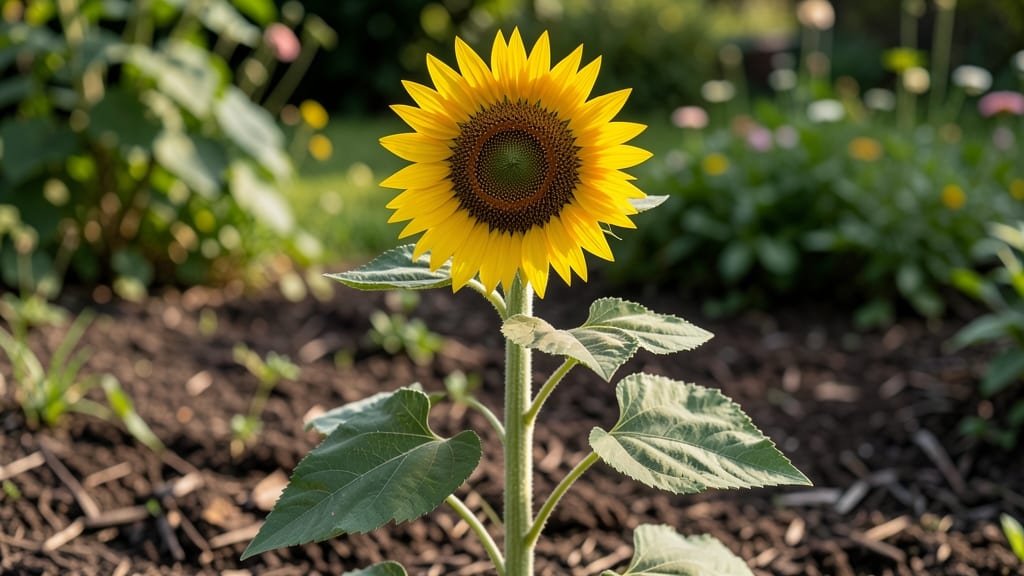
Growing sunflowers in the right season is the secret to fast, towering blooms that turn heads all summer long 🌻.
Picture this: you plant a seed in early spring, and by midsummer, you’re watching a 10-foot giant unfurl its petals. But get the timing wrong, and you’ll either waste seeds on frost or miss the blooms entirely.
The good news? With a few simple adjustments—like knowing your zone and when to start seeds indoors—you can double your chances of a showstopping display.
Below, I break down the exact planting windows for your region, how to stretch your growing season with cold frames or row covers, and the one mistake that kills sunflowers faster than drought.
Whether you’re in the deep South or up in Zone 6, this guide keeps your sunflowers on track for earlier blooms and bigger flowers.
Ready to grow sunflowers that outshine the rest? Let’s get started with the zone-specific timeline that works for your climate.
Sunflower growing season by US planting zones: when to plant for maximum blooms
Sunflowers thrive on timing—get it right, and you’ll enjoy towering blooms all summer. But USDA zones 2 through 11 have wildly different frost dates, making a one-size-fits-all approach risky.
Whether you’re in Alaska’s Zone 2 or Florida’s Zone 11, knowing your last frost date and soil temperature is key to avoiding wasted seeds or stunted growth.
Most sunflowers need warm soil (55°F+) and 60–90 frost-free days to mature. That means spring planting dominates in cooler zones, while fall planting works in mild climates. Let’s break down the best windows for each zone—plus pro tips to extend your blooming season.
⚠️ Critical Note: Sunflowers hate cold soil. Planting too early in chilly zones (like Zone 3–5) can lead to rot or slow germination. Always wait until soil temps hit 55°F or use row covers for early starts.
In Zones 2–4, where winters are brutal, focus on late spring planting (May–June). Use black plastic mulch to warm soil faster, or start seeds indoors 4–6 weeks before your last frost. Dwarf varieties like ‘Teddy Bear’ (1–3 ft) are perfect for short seasons.
For Zones 5–7, you’ve got flexibility. Plant spring (April–May) for summer blooms or try fall (late August) with fast-maturing types like ‘Moulin Rouge’ (60–70 days). Southern gardeners (Zones 8–11) can plant year-round, but avoid peak summer heat—sunflowers bolt faster in 90°F+ temps.
Pro tip: Succession plant every 2 weeks in warm zones to enjoy blooms from spring to fall. In Zone 10–11, you can even grow winter sunflowers with shade cloth protection. Just remember: cooler nights slow growth, so adjust spacing if planting in fall.
One common mistake? Ignoring soil temperature. A soil thermometer is your best friend—sunflowers won’t germinate well below 55°F. If your soil runs cold, try raised beds or warm-season crops like beans as companion plants to speed up warming.
For Northern climates (Zones 2–5), consider cold-hardy varieties like ‘Autumn Beauty’ or ‘Russian Giant.’ These tolerate light frosts and produce stunning multi-colored blooms. In Southern zones (8–11), prioritize shade tolerance for late-season plantings—varities like ‘ProCut’ handle partial shade better.
🌻 Final Tip: Always check your local microclimate. Urban areas heat up faster than rural zones, so plant 1–2 weeks earlier if your garden sits in asphalt or concrete heat sinks. Happy planting!
How to extend your sunflower growing season: tips for earlier blooms and larger flowers
Sunflowers thrive on speed, but your local climate can throw a wrench into their fast-growing plans. The key to earlier blooms and larger flowers lies in manipulating their natural growth cycle—whether by protecting them from late frosts or shielding them from scorching summer heat.
With the right techniques, you can shave weeks off their timeline or stretch their season by months, giving you a longer display of those iconic yellow faces 🌻.
For example, in Zone 5, where frosts linger into May, I’ve seen sunflowers bloom 3 weeks earlier just by using a simple row cover.
Meanwhile, in Zone 9, where summer heat triggers bolting, strategic watering and shade cloth can keep plants focused on growth instead of flowering too soon. The secret? Understanding how sunflowers respond to temperature shifts and acting before problems arise.
- 1 Start with cold-hardy varieties like 'Autumn Beauty' or 'Moulin Rouge' to beat early frosts. These tolerate 40°F soil temps and sprout faster in cool conditions.
- 2 Use black plastic mulch or soil warmers to raise ground temps by 5–10°F, accelerating germination by 5–7 days in cold zones.
- 3 Deploy floating row covers at night to protect seedlings from late frosts (down to 25°F) without smothering them during the day.
- 4 For hot climates, water deeply at soil level (not overhead) to prevent bolting. Aim for 1–2 inches per week during dry spells.
- 5 Choose dwarf varieties (like 'Teddy Bear') for containers or short seasons—they bloom in 50–60 days vs. 90–120 days for giants.
Dwarf sunflowers are the unsung heroes of extended seasons. Varieties like 'Moulin Rouge' or 'Little Becka' mature in just 50–60 days, making them perfect for late spring or early fall plantings.
In contrast, giant varieties like 'Russian Giant' take 100–120 days to flower, leaving them vulnerable to early frosts if planted too late. My trick? Interplant dwarfs with giants—this way, you get continuous blooms from summer into fall 🌷.
Heat stress is the silent killer of sunflower dreams in Zones 7–10. When temps hit 90°F+, sunflowers bolt (send up flower stalks) prematurely, sacrificing size for speed. To combat this, I water at the base in the early morning and use 30% shade cloth during peak heat.
This keeps roots cool and plants focused on growth instead of flowering too soon. Pro tip: Mulch with straw to retain moisture and regulate soil temps.
Don’t overlook the power of strategic planting dates. In cooler zones, I’ve had success with a two-stage approach: sow half the seeds in early spring (when soil reaches 55°F) and the rest in late summer for fall blooms.
This doubles your bloom time without extra work. For container growers, use self-watering pots to maintain consistent moisture—sunflowers hate dry spells mid-season.
Finally, remember that soil prep sets the stage for success. Amend your beds with compost and a balanced fertilizer (5-10-10) before planting to give roots a nutrient boost. In poor soil, sunflowers divert energy to survival instead of growth, shortening their season.
With these tweaks, you’ll be rewarded with taller stems, bigger blooms, and a season that feels like it lasts forever ☀️.