
Blooming
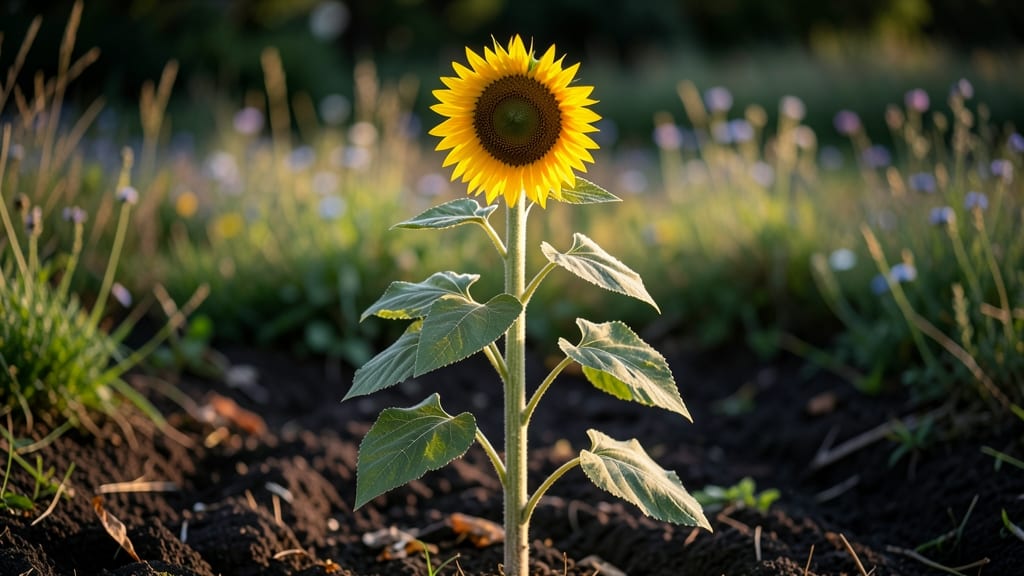
Sunflowers in Texas bloom between late May and October, but the exact timing depends on your region’s heat and planting schedule.
Picture this: your North Texas garden in June, towering 🌻 heads nodding in the breeze, while a South Texas garden might still be waiting until August for peak color. That’s the magic of Texas’s climate—where a few degrees and a week’s difference can shift your blooms by months.
If you’ve ever planted sunflowers only to watch them bolt in the heat or struggle through a slow spring, you’re not alone. The key to timing lies in knowing your frost dates, choosing the right varieties, and giving them the care they need to thrive in USDA zones 8a-10b.
In this guide, I’ll break down the exact months sunflowers bloom by region, share planting tricks to extend your season, and recommend the best heat-resistant varieties for Texas gardens. Let’s make sure your sunflowers shine at the perfect time!
Texas sunflower bloom times by region: exact months for peak flowering
Texas sunflowers (Helianthus annuus) thrive in our long, hot summers, but their bloom windows shift dramatically by region. Whether you're in North Texas's cooler hills or South Texas's subtropical heat, timing your planting ensures vibrant golden displays from June through October.
Let's break down the exact bloom months for each Texas zone so you can plan your garden like a pro.
Sunflowers are fast-growing annuals that need 60-120 days to reach full bloom, depending on variety. In North Texas (USDA Zones 7b-8a), cooler springs delay germination, while South Texas (Zones 9a-10b) can start blooming as early as May.
Central and West Texas fall somewhere in between, with heat-tolerant varieties extending blooms into late fall.
Here's your region-by-region bloom schedule with ideal planting windows to maximize those cheerful faces in your garden:
In North Texas, where last frosts can linger until March 15, I recommend planting heat-tolerant varieties like 'Autumn Beauty' or 'Moulin Rouge' in late February for July blooms. The cooler nights help prevent bolting (premature flowering), giving you more control over timing.
For Central Texas, where summers hit 100°F+, start seeds indoors in March and transplant after April 15 to avoid heat stress during germination.
South Texas gardeners have the advantage of year-round growing potential. Plant dwarf varieties like 'Teddy Bear' in February for May blooms, then follow with succession plantings every 6 weeks to extend color until November.
The key here is consistent moisture—South Texas's high humidity can cause powdery mildew, so space plants 2-3 feet apart for airflow.
For West Texas, where water is precious, choose drought-resistant varieties like 'ProCut Hybrid' and plant in late March after the soil warms. These sunflowers will bloom July-September with minimal water once established.
I've found that mulching heavily with straw or wood chips helps retain moisture during Texas's scorching summers.
Pro tip: Use black plastic mulch to warm soil
How to extend sunflower blooming season in Texas gardens
Texas heat can turn your sunflowers into short-lived summer stars instead of long-lasting garden showstoppers. The good news? With the right strategies, you can stretch their blooming season from June to October—or even longer.
I’ve tested these techniques in my own North Texas garden, and they’ve added 4-6 weeks of vibrant blooms to my landscape.
Sunflowers thrive in Texas’s long growing season, but they often bolt too quickly when planted all at once. The secret to extending their bloom time lies in succession planting, heat-tolerant varieties, and smart watering. Let’s dive into the proven methods that keep sunflowers flowering well into fall.
- 1. Succession Plant every 2-3 weeks from March to June for staggered blooms
- 2. Choose heat-resistant varieties like 'Autumn Beauty' or 'Moulin Rouge' that bloom later
- 3. Water deeply 2-3x/week during 100°F+ heat to prevent early bolting
- 4. Amend soil with compost + phosphorus (1 tbsp 10-20-10 fertilizer) before planting
- 5. Deadhead spent blooms to encourage secondary flowering in some varieties
My favorite technique is succession planting—planting new seeds every 2-3 weeks from March through June. This creates a rolling display where one batch of sunflowers fades just as another reaches peak bloom.
For example, seeds planted in early March will bloom in June, while those planted in late May will shine in August.
Texas heat can stress sunflowers, causing them to bolt prematurely. That’s why I always choose heat-tolerant varieties like 'Autumn Beauty' or 'ProCut' for my garden. These varieties handle 100°F+ temperatures better than standard types and often produce second blooms later in the season.
A quick soil test for phosphorus levels (aim for 40-60 ppm) also makes a huge difference in bloom longevity.
Watering is where many gardeners go wrong. Sunflowers need deep, infrequent watering—about 1-2 inches per week during their growing season. I water mine before 10 AM to prevent fungal issues, and I always soak the soil 6 inches deep.
During extreme heat waves, I increase to 3x/week to keep the roots cool. Mulching with 2-3 inches of straw helps retain moisture and regulates soil temperature.
One trick I learned from a local master gardener is to deadhead spent blooms regularly. While this won’t work for all varieties, many sunflowers will produce secondary flowers on the same stem if you remove the first bloom.
I use clean pruners to snip off faded heads, and within 2-3 weeks, new buds often appear—extending the show by another 3-4 weeks in my garden.
For the longest blooming season, combine all these techniques. Start with well-prepared soil, plant in successive batches, choose heat-resistant varieties, and maintain consistent watering. With this approach, you’ll enjoy sunflowers from June through November—making your Texas garden a golden paradise all summer long. 🌻