
Flowers
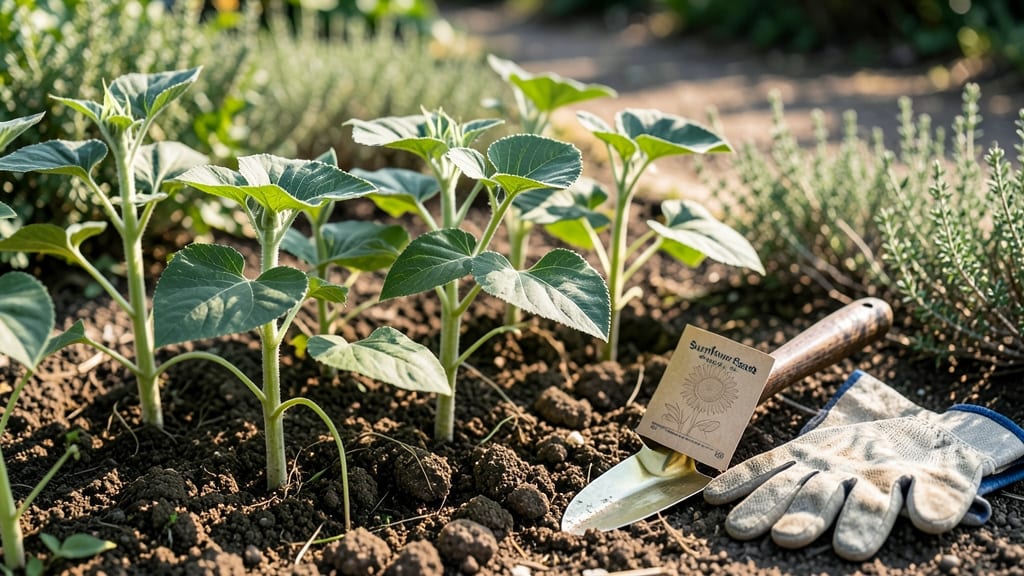
Plant sunflowers in Texas between March and May for spring blooms or late summer for fall displays, aligning with your hardiness zone and avoiding late frosts that can stunt growth.
Sunflowers are Texas gardeners’ pride—towering, vibrant, and effortlessly beautiful—but planting them at the wrong time can mean wilting before they bloom. Timing is everything, especially across Texas’s diverse climate zones, where a week can mean the difference between a thriving 🌻 and a sad, stunted seedling.
In USDA zones 8a-10b, the key is waiting for soil temperatures to rise above 55°F—a rule that shifts from North Texas’s late February starts to South Texas’s early March planting.
Coastal areas may even squeeze in a second crop in August, while inland zones should avoid summer heat stress.
Below, I break down the exact months by region, soil prep secrets for Texas clay, and how to choose heat-resistant varieties that thrive despite 100°F+ summers. Ready to grow sunflowers that reach for the sky?
Texas sunflower planting calendar by hardiness Zone (exact months for peak blooms)
Texas’s vast climate zones—from North Texas’s chilly winters to South Texas’s balmy springs—create wildly different sunflower planting windows. In Zone 8a (North Texas), frost lingers until mid-February, while Zone 10b (South Texas) enjoys frost-free soil by mid-January.
Even a 2-week difference can mean the difference between a 10-foot giant and a 3-foot dwarf struggling to bloom.
Sunflowers thrive when soil temperatures hit 55°F+, but Texas’s heat waves demand strategic timing. Giant varieties like ‘Mammoth’ need 90+ days to mature, while dwarf ‘Teddy Bear’ sunflowers bloom in just 50 days.
Planting too early risks rot from cold, wet soil, while late planting may leave you with wilting blooms before summer’s peak.
Below, I’ve broken down the exact planting windows for each Texas zone, including last frost dates, soil temperature thresholds, and variety-specific adjustments. Use this as your personalized Texas sunflower planting guide to ensure vibrant, towering blooms all season long.
🌱
For North Texas gardeners in Zone 8a, the March 15 start date is critical—planting earlier risks frost damage to tender seedlings, while waiting until April may delay blooms until late summer. Giant varieties like ‘Russian Giant’ need the full 90-day growing season, so aim for March 15
How to adjust sunflower planting for Texas heat waves and drought conditions
Texas summers can push temperatures past 105°F, turning your sunflower seedlings into crispy snacks if you’re not prepared. The key is adjusting your planting strategy to match the heat—whether that means hardening seedlings before transplanting or choosing varieties bred to handle drought.
I’ve grown sunflowers in San Antonio’s Zone 8b and Amarillo’s Zone 7b, and these tricks saved my plants every time.
First, consider shade cloth for young seedlings. A 30-50% shade cloth reduces stress during the critical first 2-3 weeks after transplanting. I use it in May-June plantings to protect seedlings from scorching afternoon sun, which can halt growth overnight.
Remove it once plants hit 6 inches tall—they’ll thank you with faster maturation.
🌱
Traditional Varieties
- ✅ Vibrant blooms in classic colors
- ✅ Taller varieties (8-14 ft) for dramatic effect
- ✅ Longer harvest windows (60-90 days)
Heat-Resistant Varieties
- ✅ Drought-tolerant (e.g., 'Autumn Beauty', 'Moulin Rouge')
- ✅ Faster maturation (45-60 days)
- ✅ Smaller stature (3-6 ft) for easier watering
Cons
- ❌ Struggle in 100°F+ heat without extra care
- ❌ Longer recovery from drought stress
- ❌ Prone to bolting in extreme heat
Pros
- ✅ Thrive in heat with minimal water
- ✅ Lower maintenance for busy gardeners
- ✅ Extended bloom time in fall
For deep watering schedules, I swear by the clock method: water early morning (before 8 AM) for 20-30 minutes per plant to ensure roots get 12-18 inches deep.
In July-August, I double the time to 45 minutes during heat waves. A soaker hose or drip irrigation system makes this effortless—no more wasted water from evaporation.
Mulching is your secret weapon against Texas drought. Apply 3-4 inches of organic mulch (straw or wood chips) around the base of your sunflowers to lock in moisture and regulate soil temperature.
I’ve seen mulched plants survive 30-day dry spells where unmulched ones wilted. Just keep mulch 6 inches away from stems to prevent rot.
Finally, harden seedlings for 7-10 days before transplanting. Start by moving them to a shady outdoor spot for 2 hours daily, then gradually increase to full sun. This mimics Texas’s intense sunlight and reduces transplant shock. I’ve had seedlings bolt prematurely when rushed into the garden—hardening prevents this.
With these adjustments, your sunflowers will reach their full potential, even in the hottest Texas summers. Try planting 'ProCut' or 'Russian Giant' for traditional types or 'Autumn Beauty' for heat resistance—both have thrived in my garden despite 110°F days. 🌻