
Flowers
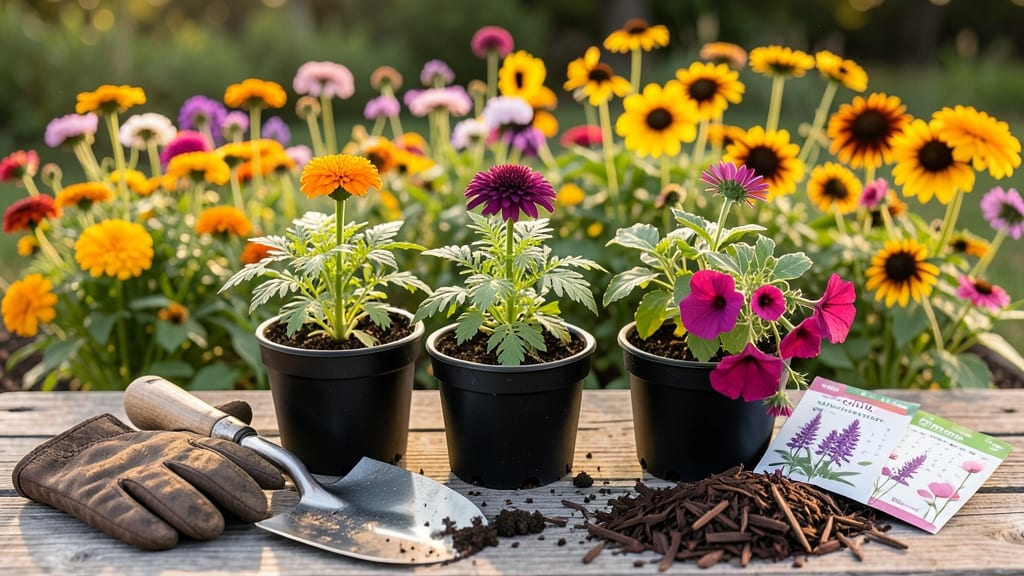
To plant flowers in North Texas at the right time means catching the fall window—between late September and November—or waiting until February to April for spring blooms.
North Texas gardeners know timing is everything—plant too early and frost will kill your blooms, too late and summer heat will stifle growth. But with the right zone-specific schedule, you can enjoy vibrant flowers year-round, from delicate spring tulips to fiery fall mums.
In Zone 8a, where last frosts linger around mid-March, most annuals and tender perennials should wait until after that date. Meanwhile, hardy bulbs like bluebonnets thrive when planted in fall, soaking up winter moisture for a spectacular spring show.
Below, I break down the exact planting calendar for your region, including soil prep tips, frost-free tricks, and the best flowers to choose for each season—so you never miss a bloom again.
North Texas flower planting calendar by season (Zones 7b-8a)
North Texas gardeners face unique challenges—scorching summers, unpredictable freezes, and heavy clay soil—but with the right timing, you can create a year-round floral display. The key is understanding frost dates and soil temperatures, which vary slightly between Dallas-Fort Worth and Waco.
For example, Waco's last spring frost often hits March 15, while DFW may see frost linger until March 25. Plan accordingly to avoid losing tender plants to late cold snaps.
In Zones 7b-8a, the growing season stretches from late February to early November, but not all flowers thrive in this window.
Cool-season bloomers like pansies and snapdragons need to be planted 6-8 weeks before the first frost (typically by September 15), while heat-lovers such as lantana and zinnia should wait until after April 15 when soil temps consistently stay above 60°F.
Here’s your month-by-month guide to planting flowers in North Texas, tailored for annuals, perennials, and bulbs. Adjust for microclimates—shady spots stay cooler, while south-facing beds warm up faster.
| Season | Plant Type | Ideal Planting Window | Soil Temp Requirement | Notes |
|---|---|---|---|---|
| Spring | Annuals (cool-season) | Feb 15 - Mar 31 | 50°F+ | Pansies, snapdragons, sweet alyssum. Wait until after last frost. |
| Spring | Perennials | Feb 1 - Mar 15 | 45°F+ | Black-eyed Susans, coneflowers, salvia. Divide overgrown clumps in early spring. |
| Spring | Bulbs | Oct 15 - Nov 15 (fall planting) | 60°F+ | Tulips, daffodils, hyacinths. Plant bulbs 6-8" deep. |
| Summer | Annuals (heat-tolerant) | Apr 15 - May 31 | 65°F+ | Zinnias, lantana, marigolds. Mulch to retain moisture. |
| Summer | Perennials | Apr 1 - May 15 | 55°F+ | Daylilies, coreopsis, gaillardia. Deadhead for continuous blooms. |
| Fall | Annuals (cool-season) | Sep 1 - Oct 15 | 50°F+ | Mums, calendula, sweet peas. Plant 6-8 weeks before first frost. |
| Fall | Bulbs | Sep 15 - Oct 31 | 60°F+ | Crocus, daffodils, alliums. Plant for early spring color. |