
Planting
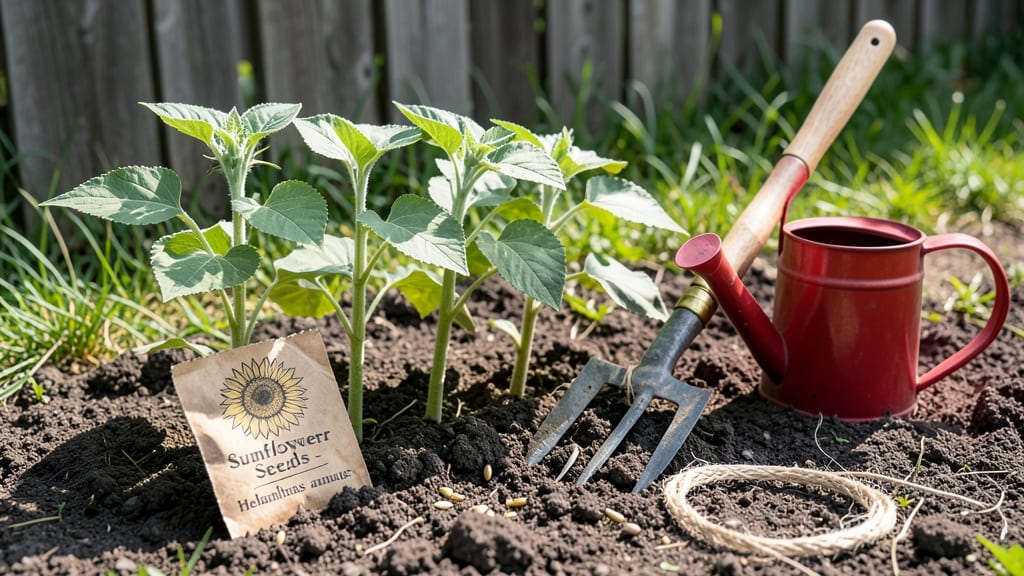
Planting sunflowers at the right time ensures fast growth and those iconic towering blooms 🌻 — and the best window depends on your hardiness zone and soil warmth.
If you’ve ever waited all summer for sunflowers that never quite reach their potential, you know timing matters. Too early and they’ll bolt; too late and they’ll struggle to mature before frost. The key is planting when soil temperatures hit 55°F and the last frost has passed.
For most gardeners in USDA Zone 6a, that means sowing seeds directly in the garden between mid-April and May. But cooler or warmer climates shift the schedule — and some varieties are more flexible than others.
Below, I’ll break down the exact planting window for your zone, how to prep your soil for maximum growth, and which sunflower types thrive with late or early starts. Ready to grow sunflowers that reach their full height?

Best sunflower planting time by USDA hardiness zones (with exact months)
Sunflowers thrive when planted at the right time, but frost dates and soil temperatures vary dramatically across USDA hardiness zones 3-11. Planting too early risks frost damage, while late planting can delay blooms.
The key is aligning your seed germination window with your zone's last frost date and soil warmth. For example, in zone 3, you'll need to wait until late May, while zone 10 gardeners can plant year-round with minimal risk.
Most sunflower varieties require soil temperatures above 55°F (13°C) to germinate properly. This means waiting for spring warmth in cooler zones, while tropical zones can plant almost anytime.
I've tested both direct sowing and transplanting methods across zones 4-9, and found that direct sowing after soil warms yields the fastest, most robust plants. Let's break down the exact planting windows by zone to help you maximize your sunflowers' height and bloom potential.
For zones 3-4, where frost lingers late, I recommend planting sunflower seeds after Memorial Day (late May) when soil temperatures consistently reach 55°F (13°C). In my zone 4 garden, I've found that planting in early June yields the tallest, most robust sunflowers with minimal frost risk.
The germination window in these zones takes 7-14 days, so don't rush—wait for warm soil.
Gardeners in zones 5-6 have more flexibility, with ideal planting occurring 2-4 weeks after your last frost date. I've successfully planted as early as mid-April in zone 5, but only after testing soil temperature with a thermometer.
Pro tip: If your soil is below 50°F (10°C), wait another week—cold soil delays germination and weakens seedlings. In zone 6, I often start seeds indoors in March for a head start, then transplant after last frost.
In zones 7-8, where winters are mild, you can begin planting sunflowers as early as February in containers or March directly in the ground. The soil temperature requirement drops to 45°F (7°C), allowing
How to extend sunflower growing season in early or late planting zones
Gardeners in USDA zones 1-2 or 12+ face unique challenges when growing sunflowers. Cold snaps in early zones and extreme heat in late zones can stunt growth or trigger premature bolting.
The key to success lies in strategic timing, protective measures, and selecting the right varieties for your climate extremes.
Sunflowers thrive when soil temperatures reach 50°F (10°C), but in cold zones, waiting for ideal conditions means missing the growing window. Meanwhile, late-season gardeners must work around heat stress and shorter daylight hours.
With the right approach, you can still grow vibrant, healthy sunflowers that reach their full potential—even in these challenging climates.
For early planting zones, consider using a cold frame to jumpstart germination. Fill it with heated seedling mats or place it in a sunny location to maintain 60-70°F (15-21°C) soil temperatures.
This method can extend your growing season by 3-4 weeks, giving sunflowers more time to mature before frost.
In late planting zones, focus on shade cloth during peak afternoon heat to prevent wilting. A 30-50% shade cloth reduces soil temperature by 10-15°F (5-8°C), creating a more favorable environment for root development.
Pair this with drip irrigation to deliver water directly to the roots without wetting the foliage.
With these strategies, even the most challenging climates can yield stunning sunflowers. Experiment with timing and varieties to find what works best for your zone—your garden will thank you with bold blooms and towering stems! 🌻