
Flowers
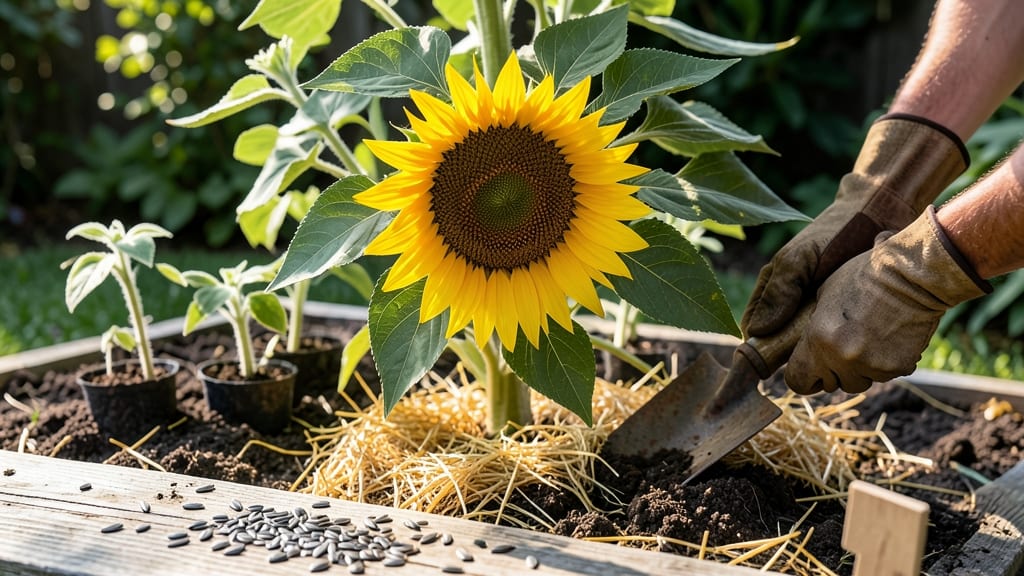
To plant sunflowers in Virginia, aim for mid-April through mid-June after the last frost 🌻 — timing here makes all the difference between sturdy stems and floppy failures.
Virginia’s warm climate and long growing season make it an ideal place for sunflowers—but timing is everything to avoid frost damage or stunted growth. Plant too early, and you’ll risk weak stems; too late, and your towering blooms might never reach their full potential.
Most Virginia gardeners (USDA zones 6a-8a) have a three-month window to get seeds in the ground, but the exact dates shift depending on whether you’re in the Piedmont or the Coastal Plain.
I’ll break down the best planting schedule for your specific zone, plus how to stretch that window with cold-hardy varieties.
You’ll also discover the soil prep secrets that keep Virginia’s clay-heavy soils from strangling your sunflowers, the spacing tricks that prevent overcrowding, and which local varieties thrive in 6-8 hours of sun—even in urban yards.
Virginia’s sunflower planting zones: exact dates by USDA Zone (5a-8a)
Virginia’s diverse climate means your sunflower planting timeline depends heavily on your USDA zone and local microclimate.
Whether you’re in the Coastal Plain’s 8a warmth or the Piedmont’s 6a chillier nights, getting the timing right ensures your sunflowers reach their towering potential—some varieties can grow up to 14 feet tall!
Let’s break down the exact windows for each zone, including soil temperature thresholds and regional adjustments.
Sunflowers thrive when soil temperatures reach 55°F (13°C)—this is your golden rule. In Virginia, this typically aligns with mid-April to early May for most zones, but coastal areas may be 2-3 weeks earlier.
Always check your local last frost date (usually mid-April in inland zones) and add 2-4 weeks for safety, as young sunflowers are frost-sensitive.
Here’s a quick reference for Virginia’s zones, including direct sowing (planting seeds outdoors) vs. transplanting (starting indoors). Coastal Plain gardeners in Zone 8a have the longest window, while Zone 5a growers in the mountains must act fast to avoid late frosts.
For gardeners in Zone 8a, you’re in luck—you can start sowing as early as mid-March and even push into early July for late-season blooms. However, avoid planting after July 15 unless you’re growing short-day varieties like ‘Autumn Beauty,’ which mature faster in cooler fall temps.
In Zone 5a, focus on dwarf or semi-dwarf varieties (3–6 feet tall) to ensure they mature before the first frost, typically around October 15.
Pro tip: Use a soil thermometer to confirm readiness—sunflowers won’t germinate well in cold soil. If your soil is still below 55°F (13°C) by your zone’s ideal window, opt for transplanting seedlings started indoors under grow lights.
This gives you a 2-3 week head start and is especially useful in Zone 6a and cooler.
Regional microclimates play a huge role. For example, urban Richmond (Zone
How to extend your sunflower season in Virginia: cold-hardy varieties and successive planting
Want to enjoy sunflowers well beyond the traditional June planting deadline? Virginia’s USDA Zones 6a-8a offer opportunities for late-season blooms with the right strategies.
By choosing cold-hardy varieties and using successive planting, you can push your sunflower season into late summer or even early fall—just in time for fall festivals and seed harvesting.
The key is balancing risk vs. reward. Late-planted sunflowers may not reach their full height, but they’ll still produce vibrant blooms and seeds. With proper variety selection and protective measures, you can extend your season by 4-6 weeks without sacrificing too much growth potential.
Extending Sunflower Season in Virginia
- 🌻 Longer bloom season – Enjoy sunflowers into September or October.
- 🌱 Continuous harvests – Staggered plantings mean fresh seeds all season.
- 💪 Cold-hardy varieties – Some varieties tolerate light frosts without damage.
- 🛡️ Row covers protect – Extend season by 2-4 weeks with simple covers.
- 🌡️ Risk of frost damage – Late plantings may struggle in Zone 6a.
- 📏 Smaller stature – Late sunflowers may only reach 3-5 feet.
- 🐛 Pest pressure – Slower growth can attract more pests.
- 💧 Water demands – Late-season plants need consistent moisture.
Start with cold-tolerant varieties like ‘Autumn Beauty’ or ‘Moulin Rouge’, which thrive in cooler temperatures. These varieties can handle light frosts and still produce stunning blooms. For even more protection, use floating row covers to shield young plants from unexpected chills.
For successive planting, sow seeds every 2-3 weeks starting in late June. Space them 6 inches apart in rows 2 feet apart to allow room for growth. This method ensures a steady supply of blooms and seeds throughout the season, even as temperatures drop.
If you’re in Zone 6a, consider starting seeds indoors in early June and transplanting outdoors after July 4th. This gives young plants a head start before fall temperatures dip. Always monitor weather forecasts and be ready to cover plants if frost is predicted.
With these tactics, you can enjoy sunflowers well into fall, adding color and height to your garden when many other plants are winding down. Just remember: patience and protection are key to success with late-season sunflowers!