
Flowers
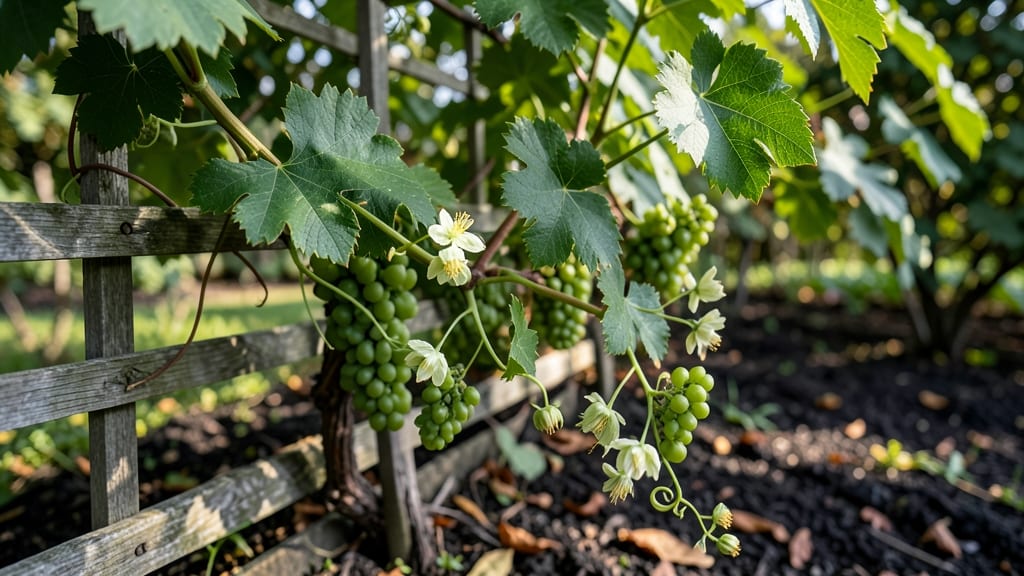
Transforming grape flowers into fruit is the make-or-break moment for any 🍇 grapevine harvest, and the secret lies in understanding pollination—something most gardeners overlook until it’s too late.
Did you know that 90% of grape flowers fail to produce fruit without proper pollination? Mastering this critical stage can transform your vineyard from sparse clusters to overflowing harvests—here’s how to unlock your grapevine’s full potential.
In USDA Zone 6a, where spring blooms arrive between April and May, timing and environmental factors like temperature, humidity, and even a little help from bees or your hands can mean the difference between a thin harvest and a bounty of ripe grapes.
From hand-pollination techniques to troubleshooting poor fruit set, this guide covers everything you need to ensure your grape flowers develop into plump, flavorful fruit—so you can enjoy a harvest worthy of your hard work.
How grape flowers develop into fruit: the pollination process explained
Understanding how grape flowers transform into fruit is the key to a bountiful harvest. The journey begins with perfect flower anatomy—each tiny bloom contains both male and female reproductive parts, though they're not always self-sufficient.
Without proper pollination triggers, up to 90% of these flowers will drop without setting fruit, leaving your vineyard sparse.
Grapes rely on three primary pollination methods: wind pollination (for some varieties), bee activity, and even human intervention in controlled environments. The process unfolds in three distinct stages—fertilization, fruit set, and berry development—each requiring specific environmental conditions to succeed. Let’s break down this fascinating transformation step by step.
| Stage | Process | Key Factors | Duration |
|---|---|---|---|
| 1. Flowering | Blooms open, exposing stamens and pistils | Temperature: 60-85°F, Humidity: 50-70% | 3-7 days |
| 2. Pollination | Pollen transfers to pistils, fertilizing ovules | Bee activity, Wind speed: <10 mph | 1-3 days |
| 3. Fruit Set | Fertilized ovules swell into berries | Water: 1-2 inches/week, Sunlight: 6+ hours | 2-4 weeks |
| 4. Berry Development | Berries grow, sugars accumulate, skin colors | Temperature: 75-90°F, Pest control | 6-8 weeks |
The first stage, flowering, begins when grapevine buds burst open, revealing delicate hermaphroditic flowers (containing both male and female parts). However, many grape varieties—especially Vitis vinifera—require cross-pollination for successful fertilization.
This is where bees play a crucial role, transferring pollen between flowers on different vines or even different clusters on the same plant.
Once pollination occurs, the pistil absorbs pollen, triggering the release of hormones that signal the ovary to begin developing into a grape berry. This fruit set stage is critical—if environmental conditions aren’t ideal, flowers may drop off in a process called flower drop, leaving your vineyard with fewer clusters.
Maintaining consistent moisture and avoiding temperature swings during this phase is essential.
After fruit set, berries enter the development phase, where they rapidly grow and accumulate sugars. This stage lasts 6-8 weeks and demands careful monitoring of pest pressure and disease risks.
For example, powdery mildew thrives in humid conditions, while bird damage can devastate clusters if not managed. Pruning to improve airflow and applying fungicides proactively can make all the difference.
Temperature also plays a pivotal role—grapes need warm days (75-90°F) and cool nights (55-65°F) to develop optimal flavor and sugar content. If nights stay too warm, berries may develop poor color or lower acidity, resulting in bland-tasting fruit.
Conversely, late spring frosts can kill flowers before pollination even begins, wiping out potential harvests.
Some grape growers take human intervention a step further by practicing hand-pollination, especially in greenhouses or regions with limited bee activity. Using a soft brush, they transfer pollen from one flower to another, ensuring fertilization.
This method is labor-intensive but can boost fruit set by 30-50% in ideal conditions. For home gardeners, planting bee-friendly flowers like lavender or sunflowers nearby can naturally attract pollinators to your vineyard.
One common misconception is that all grape flowers will set fruit if pollinated. In reality, only 10-30% of fertilized flowers will develop into mature grapes due to the vine’s natural fruit thinning mechanism.
This process ensures the remaining berries receive adequate nutrients and grow to full size. To encourage larger clusters, you can thin excess fruit manually, leaving only the healthiest berries to develop.
Environmental stress—such as drought conditions or excessive heat—can also trigger shatter, where developing berries split open and fall off. To mitigate this, maintain even soil moisture and use mulch to retain water.
Additionally, balanced fertilization (with a focus on potassium and phosphorus) supports strong vine health and resilience during critical growth stages.
By understanding these stages and their requirements, you can maximize your grapevine’s potential and enjoy a harvest that rivals commercial vineyards. Whether you’re dealing with table grapes, wine grapes, or juice varieties, the principles of pollination and fruit development remain the same.
Pay attention to the details, and your vines
5 Proven techniques to boost grape pollination and fruit set
Transforming those delicate grape flowers into plump, juicy fruit requires more than just sunshine—it’s all about strategic pollination. Even with ideal growing conditions, many gardeners miss the mark because they overlook the critical timing and environmental cues that trigger fruit set.
The good news? With these five science-backed techniques, you can dramatically increase your grape yield and ensure every bloom has the best chance to develop into fruit.
First, let’s tackle the most overlooked factor: hand-pollination timing. Unlike many fruit trees, grapes rely heavily on bees and wind for pollination, but even these natural helpers can fail.
By understanding the optimal window for manual intervention—typically early morning when flowers are fully open—you can double your fruit set in just minutes of effort. This method is especially critical for self-pollinating varieties like Concord or Thompson Seedless, where pollen transfer is less reliable.
- 1. Hand-Pollinate at Peak Bloom: Use a soft brush to transfer pollen from male to female flowers between 8-10 AM when humidity is low.
- 2. Attract Native Bees: Plant bee-friendly flowers like lavender or borage within 50 feet of vines to boost pollinator activity.
- 3. Optimize Vine Spacing: Space vines 6-8 feet apart to improve airflow and cross-pollination between plants.
- 4. Adjust for Humidity: Use shade cloth during high humidity (>70%) to prevent fungal issues that block pollen germination.
- 5. Thin Early Fruit: Remove 20% of small berries 2 weeks after set to redirect energy to remaining fruit.
Next, focus on bee attraction strategies—because even the hardiest grapevines can’t thrive without their tiny pollinator partners. Did you know that native bees are 3x more efficient at pollinating grapes than honeybees? To create a bee magnet, plant pollinator-friendly perennials like bee balm or clover near your vineyard.
Avoid pesticides during bloom season, and consider installing bee houses if your area lacks natural pollinators. Even a small patch of wildflowers can make a huge difference in fruit set.
Your vineyard layout plays a surprising role in pollination success. Many gardeners unknowingly sabotage their own harvests by crowding vines too closely. Overcrowded grapes suffer from poor airflow, which reduces bee activity and increases humidity—both of which hinder pollen transfer.
Aim for 6-8 feet between vines and 4-5 feet between rows to create an optimal pollination environment. This spacing also helps reduce fungal diseases, which often compete with fruit development for the vine’s resources.
Climate-specific adjustments can make or break your grape’s journey from flower to fruit. In hot, dry climates, grapes may struggle with pollen viability, while cool, wet springs can drown pollen before it even reaches the stigma.
For arid regions, mist your vines lightly in the morning to boost humidity just enough for pollen to stick. In humid areas, use fungicide sprays like neem oil to prevent Botrytis from blocking flower receptivity.
Monitoring daily highs and lows and adjusting your care accordingly ensures your grapes get the perfect pollination conditions.
Finally, don’t overlook the power of thinning early fruit. While it may seem counterintuitive, removing 20% of small berries just 2 weeks after pollination forces the vine to invest more energy into the remaining fruit.
This simple step can increase berry size by 30% and improve sugar content, giving you sweeter, more flavorful grapes at harvest. Time your thinning during cool morning hours to reduce stress on the vine, and always use sterilized pruners to prevent disease spread.
With these five techniques in your toolkit, you’ll turn 90% of your grape flowers into fruit instead of letting them drop. The key is consistency—whether it’s hand-pollinating at dawn, attracting bees, or adjusting for your local climate.
Start with just one or two methods this season, and watch your grape harvest explode next year. 🍇