
How To
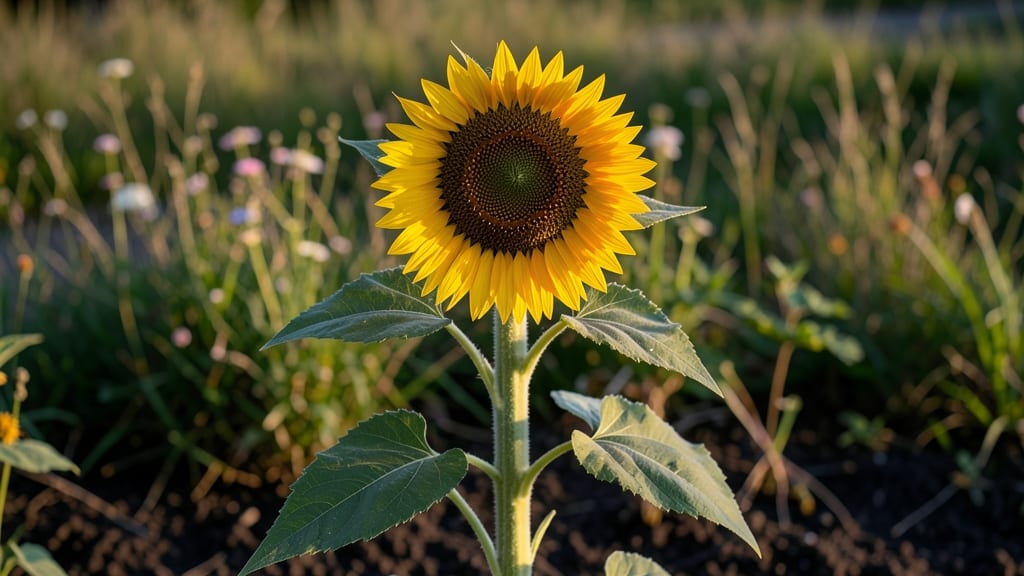
How tall does a sunflower grow? The answer varies wildly—from just 1 foot in dwarf varieties to a towering 16 feet in giants, far taller than most gardeners expect.
If you’ve ever planted sunflowers and wondered whether they’ll tower over your fence or stay neatly contained in your garden, you’re not alone. The truth is, sunflower height varies dramatically by variety—from dwarf types perfect for containers to giants that can reach skyscraper-like proportions.
This difference isn’t just about aesthetics; it impacts everything from spacing in your garden to how you use them in bouquets or birdseed mixes. Some varieties even grow taller each year, making long-term planning essential.
In this guide, you’ll discover the exact heights of popular sunflower types, how to choose the right one for your space, and the surprising factors that can make them grow even taller—or shorter—than expected.


Sunflower height by variety: dwarf to giant growth charts
Sunflowers are one of nature’s most dramatic plants, offering height variations that range from compact container-friendly varieties to towering giants that can outgrow your expectations.
Whether you’re planning a small balcony garden or a privacy screen, choosing the right variety ensures your sunflowers thrive without crowding your space—or your neighbors!
From Teddy Bear sunflowers that stay under 3 feet to Russian Giant varieties that can reach 16 feet, the height difference is staggering. Below, I’ve organized the most popular sunflower varieties by their mature height, complete with growth comparisons to help you visualize their scale in your garden.
Pro Tip: Always check seed packets for height ranges, as some varieties can vary by 1-2 feet depending on growing conditions. If you’re unsure, opt for dwarf or semi-dwarf varieties—they’re far more forgiving for beginners!
| Variety | Mature Height (ft) | Best For | Days to Mature |
|---|---|---|---|
| Teddy Bear | 2-3 ft | Containers, borders, kids’ gardens | 50-60 days |
| Moulin Rouge | 4-5 ft | Cut flowers, small gardens | 60-70 days |
| Autumn Beauty | 5-6 ft | Pollinator gardens, borders | 60-75 days |
| ProCut | 6-7 ft | Floral arrangements, bouquets | 70-80 days |
| Russian Giant | 12-16 ft | Privacy screens, focal points | 90-120 days |
| Mammoth | 10-14 ft | Statement plants, large gardens | 85-100 days |
| Sunspot | 3-4 ft | Dwarf varieties, containers | 55-65 days |
If you’re visualizing these heights, imagine a Russian Giant sunflower stretching taller than a standard basketball hoop (10 ft), while a Teddy Bear variety stays shorter than a typical kitchen counter (3 ft). This dramatic range makes sunflowers incredibly versatile for any garden design!
For small spaces, prioritize varieties like Teddy Bear or Sunspot, which thrive in containers or window boxes. Their compact size also makes them ideal for urban gardens where space is limited.
Just ensure your container has drainage holes and is at least 12 inches deep to accommodate their roots.
On the opposite end of the spectrum, giant sunflowers like Russian Giant or Mammoth are best suited for open gardens or field plantings. They require sturdy stems and may need staking if grown in windy areas.
These varieties are perfect for creating a dramatic focal point or even a natural privacy screen along property lines.
One common misconception is that all sunflowers need full sun to reach their maximum height. While this is true, dwarf varieties can tolerate partial shade, especially in hot climates where afternoon sun might scorch their leaves.
If you’re growing sunflowers in a shadier spot, expect slightly shorter heights but still vibrant blooms!
For cut flower arrangements, mid-height varieties like ProCut or Autumn Beauty strike the perfect balance. They’re tall enough to create impactful bouquets but won’t overwhelm your vase or require excessive support.
Harvest stems early in the morning for the longest vase life, and always cut at a 45-degree angle to maximize water absorption.
If you’re new to sunflower gardening, start with 2-3 varieties to test your space and soil conditions. For example, plant a Teddy Bear in a container on your patio and a Mammoth in your backyard.
This way, you’ll get a firsthand look at how height differences play out in your unique growing environment.
Remember, sunflower height isn’t just about aesthetics—it also impacts pollination success. Taller varieties attract more bees and butterflies, while dwarf varieties may struggle in windy conditions. Choose based on your garden’s microclimate and the ecosystem benefits you want to support! 🌻
Factors that influence sunflower height (beyond the variety)
While sunflower varieties set the baseline for height, your garden’s conditions play a starring role in determining how tall those sunflower stalks will grow. Even a Russian Giant may stay shorter than expected if conditions aren’t ideal, while a dwarf variety could surprise you with extra height under perfect circumstances.
Let’s explore the key factors that push sunflowers toward their full potential—or hold them back.
Sunlight is the most critical factor for sunflower height. These plants thrive on full sun exposure, with at least 6-8 hours of direct sunlight daily. When planted in partial shade, sunflowers may grow 30-50% shorter than their variety’s advertised height.
For example, a Moulin Rouge (typically 5-6 ft) might only reach 3-4 ft in shadier conditions. South-facing gardens or containers near windowsills provide ideal light.
Soil quality directly impacts nutrient uptake, which fuels stem elongation. Sunflowers prefer well-draining, fertile soil with a pH between 6.0-7.5. Poor soil can stunt growth by 20-40%, while amended soil with compost or balanced fertilizer (like 5-10-10) can boost height by 15-25% in optimal conditions.
Heavy clay soils, however, may restrict root development and limit height potential.
- Sunlight: 6-8+ hours of direct sun = full height potential. Less light = 30-50% shorter stalks.
- Soil Quality: Well-draining, fertile soil boosts height by 15-25%**. Poor soil = 20-40% stunting.
- Watering: Consistent moisture (1-2 gallons/plant) supports taller growth. Underwatering = weak stems, overwatering = root rot.
- Climate Zone: USDA Zones 4-9 ideal. Cooler zones (Zone 3) may see 10-15% shorter sunflowers.
- Spacing: 12-24 inches apart prevents competition. Crowded plants grow 20% shorter due to nutrient competition.
Watering habits dramatically influence sunflower height, especially during the vegetative growth stage (first 6-8 weeks). Consistent moisture—about 1-2 gallons per plant every 3-5 days—supports strong stem development. Underwatering leads to weak, leggy stalks that may snap under their own weight, while overwatering can cause root rot and stunt growth.
Mulching around the base helps retain moisture and maintain even soil temperatures.
Your climate zone also plays a role in sunflower height. Sunflowers thrive in USDA Zones 4-9, where they receive long growing seasons. In cooler zones (like Zone 3), sunflowers may mature 10-15% slower and reach slightly shorter heights due to shorter daylight hours.
Conversely, in warmer zones (Zones 9-11), sunflowers may grow taller but require extra shade during peak summer to prevent heat stress.
To maximize or control sunflower height, adjust your approach based on your garden’s conditions. For taller sunflowers, ensure full sun, fertile soil, and consistent watering. To contain height (e.g., for small gardens), plant in partial shade or use dwarf varieties like 'Teddy Bear'.
Pruning side shoots can also redirect energy to the main stem, encouraging upward growth rather than bushiness.