
Mower
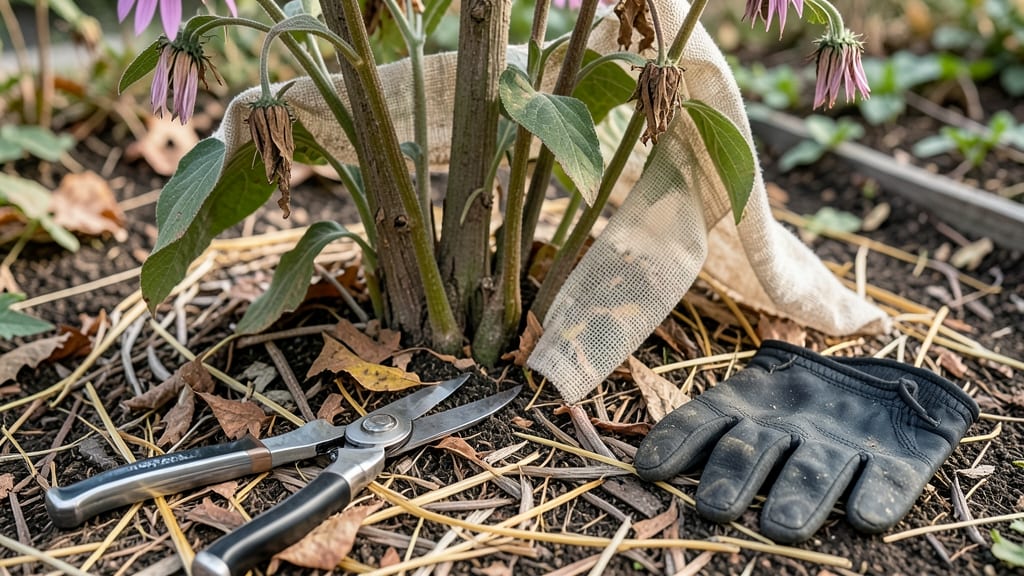
To winterize coneflowers properly ensures they bounce back stronger next spring, with healthier stems and more vibrant blooms.
Picture this: your 🌼 coneflowers standing tall in late summer, their purple petals drawing in pollinators, only to struggle through winter if not prepped correctly. The difference between a weak, sparse rebloom and a lush, thriving plant comes down to timing, cutting techniques, and protecting those roots.
Many gardeners make costly mistakes—like cutting back too late or skipping mulch—that leave coneflowers vulnerable to frost and disease. In Zone 6a, where cold snaps hit hard, proper winterizing isn’t just helpful; it’s essential for survival.
I’ll walk you through the exact steps to follow, from the best time to prune to the right mulching methods for your climate.
By the end, you’ll know how to give your coneflowers the best shot at a stronger comeback, with fewer dead stems and more blooms come next season. Let’s get started.
When and how to prune coneflowers before winter for maximum regrowth
Winterizing your coneflowers (Echinacea) is one of the most important steps to ensure they bounce back stronger in spring. The key is timing—cutting back too early or too late can weaken your plants or invite disease.
I’ve learned from experience that the ideal window is between late fall (November) and early winter (January), depending on your USDA hardiness zone. In colder regions (zones 3-5), aim for after the first hard frost but before heavy snowfall, while warmer zones (6-9) can wait until late fall.
Why does timing matter? Pruning too early leaves plants vulnerable to late-season pests or fungal infections, while waiting too long can stress the roots. The goal is to remove dead foliage and spent stems without disturbing the root system, which is already storing energy for next year’s growth.
I’ll walk you through the exact steps, including the tools you’ll need and how to avoid common mistakes that can harm your coneflowers.
-
Step 1: Choose the Right Time
Late fall (after first frost) or early winter (before heavy snow). -
Step 2: Gather Your Tools
Clean, sharp pruners, gloves, and disinfectant (1:9 bleach-water mix). -
Step 3: Remove Dead Foliage
Cut back brown stems and yellow leaves to 2-3 inches above ground. -
Step 4: Disinfect Tools Between Cuts
Wipe pruners with rubbing alcohol to prevent fungal spread. -
Step 5: Inspect for Disease
Remove any black spots or moldy stems immediately. -
Step 6: Apply Mulch
Spread 3-4 inches of mulch (straw or shredded leaves) around the base. -
Step 7: Water Lightly
Give plants a deep watering before the first hard freeze.
The first step is always timing. If you’re in a Zone 5 or colder, wait until the ground is frozen to avoid stimulating new growth. In Zones 6-9, you can prune as early as November, but avoid cutting back if temperatures fluctuate above freezing.
I’ve seen coneflowers in my Zone 6 garden regrow prematurely in late fall, only to be killed by a sudden cold snap. The trick is to prune when the plant is dormant but before the ground freezes solid.
Next, gather your tools. You’ll need a pair of bypass pruners (never use dull tools—they crush stems and invite disease) and a disinfectant. I swear by a 1:9 bleach-water mix to clean my pruners between cuts. This prevents powdery mildew or rust from spreading to healthy stems.
If you’re pruning multiple plants, keep a small spray bottle of the mix handy. Gloves are a must—coneflower stems can be sharp, and some varieties have thorny leaves.
Now for the cutting technique. Use your pruners to snip stems at a 45-degree angle, leaving 2-3 inches of stubble. This prevents water from pooling on the cut and reduces the risk of rot.
If you’re dealing with heavily diseased plants, you can cut closer to the ground, but healthy coneflowers benefit from retaining some stem tissue. I’ve noticed that leaving a little stubble also helps insulate the crown during freezing temperatures.
One critical mistake I’ve seen gardeners make is leaving old flower heads on the stems. While these can look charming in winter, they trap moisture and encourage fungal growth. Always remove them during your pruning session.
Another tip: if your coneflowers are in a windy area, consider staking them before winter. Heavy snow or ice can bend stems, and while they’ll often bounce back, it’s better to prevent unnecessary stress.
After pruning, it’s time to mulch. I recommend using straw or shredded leaves—they’re lightweight and allow moisture to escape, preventing root rot. Spread a 3-4 inch layer around the base of the plant, but avoid piling mulch against the stems.
This creates a microclimate that protects roots from extreme cold while allowing air circulation. In my Zone 6 garden, I’ve found that adding a thin layer of pine needles on top of the mulch helps repel rodents, which sometimes dig under plants looking for shelter.
Finally, give your coneflowers a light watering before the first hard freeze. This ensures the roots are hydrated and can draw moisture from the soil as needed. Avoid overwatering, though—wet soil in winter can lead to root rot.
If you’re in a drought-prone area, consider adding a 2-3 inch layer of wood chips under the mulch to improve soil structure and water retention. This extra step has made a noticeable difference in the spring regrowth of my coneflowers.
With these steps, your coneflowers will return stronger next spring, often with more blooms and healthier foliage. The key is consistency—proper pruning, mulching, and timing create the perfect conditions for winter survival.
If you follow this guide, you’ll be rewarded with vibrant purple and pink blooms that start appearing as early as May in many regions. Happy gardening!
5 Critical mistakes that kill coneflowers over winter (and how to avoid them)
Winterizing your 🌼 coneflowers might seem simple, but small mistakes can spell disaster for next year’s blooms. I’ve seen gardeners accidentally invite disease, weaken roots, or even kill their plants by making these common errors.
The good news? Each has a simple fix to ensure your coneflowers return stronger than ever.
First, let’s address the biggest misconception: waiting until spring to clean up dead stems. Many gardeners hold off, thinking it’s better to leave the foliage for winter protection. But by spring, those old stems harbor fungal spores and pests that can devastate new growth.
The key is timing—cut back after your first hard frost but before new growth starts.
Another frequent mistake? Cutting too aggressively—down to the ground—leaving no protection for the crown. This exposes the root zone to freezing temperatures and winter winds. Instead, trim back 3-4 inches above the base, leaving enough foliage to shield the crown while still removing diseased material.
⚠️ Critical Mistake: Skipping Mulch or Using the Wrong Type
Mulch is your coneflower’s insulation blanket, but 3-4 inches of straw or shredded leaves is ideal—not thick layers that suffocate roots. Avoid fresh grass clippings (they mat and trap moisture) or pine needles (too acidic). For Zone 6a, apply mulch after the ground freezes to prevent early thawing.
Leaving diseased stems standing is another silent killer. If your coneflowers had powdery mildew or leaf spot this season, those pathogens survive winter in plant debris. Always sterilize your pruners with rubbing alcohol between cuts, and remove all infected foliage—don’t compost it.
Burn or trash it instead to break the disease cycle.
Over-mulching is just as harmful as under-mulching. A thick layer (6+ inches) can smother the crown, trapping moisture and causing rot. Stick to 3-4 inches of organic mulch, and pull it back slightly from the stem base to allow airflow.
In colder climates, add a light layer of burlap over the mulch for extra protection.
Finally, fertilizing in fall is a surefire way to stress your coneflowers before winter. New growth stimulated by fertilizer won’t harden off in time for cold snaps. Instead, skip fertilizer entirely in late fall—your plants need to focus on root development, not top growth.
A light compost top-dressing in early fall is plenty to strengthen roots without encouraging tender shoots.
By avoiding these five mistakes, your coneflowers will thrive through winter and reward you with bigger, healthier blooms next season. The secret? Timely pruning, proper mulching, and disease prevention—all starting now. Happy gardening! 🌿