
Blooming
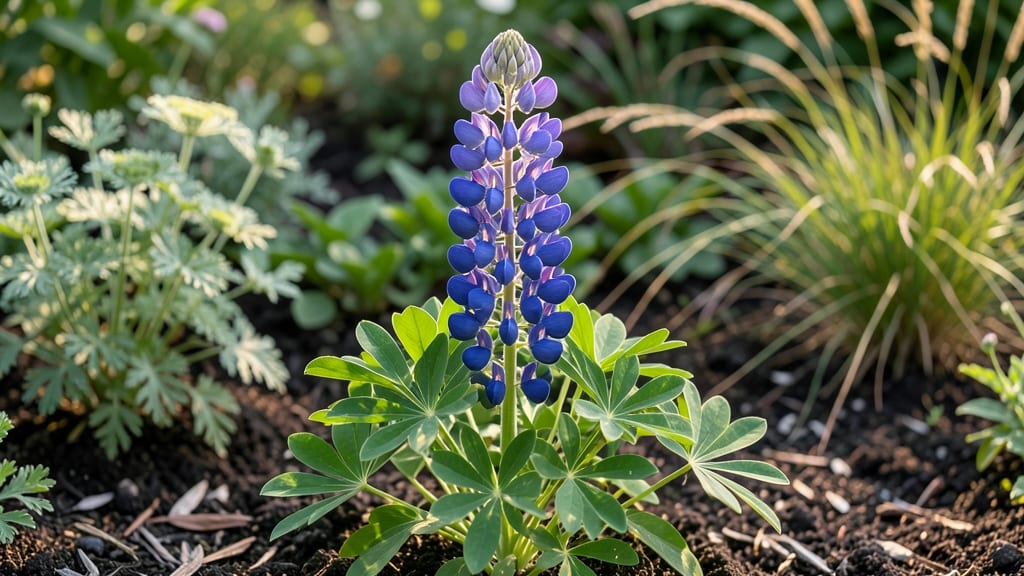
The lupine flowering season transforms your garden into a vibrant display of color—but timing is everything. Picture this: You’ve waited all year for those iconic 🌸 spikes to emerge, only to realize you planted too late or missed the frost window.
That’s why knowing the exact flowering season for your variety—and your USDA zone—is the key to summer-long blooms.
In Zone 6a, most lupines bloom from late May through July, but cooler climates shift that window earlier, while warmer regions may see flowers stretching into early fall. Whether you’re growing hardy perennials or fast-blooming annuals, the right planting time ensures you don’t miss a single showstopping spike.
Below, I’ll break down the best planting deadlines by variety, how to extend blooms with simple care, and the visual cues that tell you your lupines are ready to shine.
Lupine flowering season timeline: when to plant by USDA Zone
Getting your lupine planting timing right is the secret to those stunning summer blooms that attract hummingbirds and butterflies. Since lupines come in annual and perennial varieties, their planting deadlines vary dramatically depending on your USDA zone—and whether you prefer spring or fall planting.
In Zone 3, for example, you’ll need to plant annuals in early May, while Zone 10 gardeners can start seeds as early as February. Let’s break down the exact windows for each zone to ensure your lupines bloom on schedule.
Perennial lupines like Lupinus polyphyllus are hardier and can handle cooler soils, giving you a slightly longer planting window. But frost-sensitive varieties like Lupinus texensis (Texas bluebonnet) demand precise timing—plant too early, and frost will kill them; too late, and you’ll miss the summer bloom rush.
The key is understanding whether your lupines are cold-hardy perennials or tender annuals, as this dictates your planting strategy. For instance, in Zone 5, you can plant perennials in early spring, but annuals must wait until after the last frost.
Here’s the zone-by-zone breakdown of when to plant lupines for summer-to-early-fall blooms, including both spring and fall strategies where applicable:
If you’re in Zones 3-4, focus on perennial lupines like Lupinus polyphyllus, which can handle cooler soils and establish roots before summer heat arrives. Plant them in early May after the last frost, and you’ll see blooms by mid-summer.
In contrast, Zone 10 gardeners can plant annual varieties like Lupinus albus (white lupine) as early as January for blooms by March, or again in September for fall color.
For fall planting, which works best in Zones 5-10, aim to sow seeds 8–10 weeks before your first frost. This gives seedlings time to establish roots before winter dormancy. In Zone 7, for example, that means planting in late August to early September.
Fall-planted lupines often bloom earlier the following year because they’ve had a head start on root growth. Just avoid planting in Zones 3-4 in fall—the soil stays too cold for germination.
Pro tip: Stratify seeds (cold-moisten them for 2–4 weeks) before planting to break dormancy and ensure faster germination. This is especially critical for annual lupines, which can take 2–3 weeks to sprout if conditions aren’t ideal.
In Zone 6, for instance, I’ve found that pre-chilling seeds in the fridge for 3 weeks before planting in early April nearly doubles my germination rate. The result? More blooms and fewer gaps in my garden’s summer display.
One common mistake I see is planting annual lupines too early in Zones 5-6. The soil may feel warm, but if nighttime temperatures dip below 50°F (10°C), seeds won’t sprout.
Use a soil thermometer to confirm temperatures are consistently above 55°F (13°C) before planting. For perennials, you’ve got a little more flexibility—just avoid planting
Best lupine varieties for your region and their unique flowering seasons
Choosing the right lupine variety ensures vibrant blooms that match your USDA zone and climate. Some varieties thrive in cool coastal climates, while others prefer hot, dry summers. Let’s explore 10 standout lupines and their ideal flowering seasons to help you plan your garden’s seasonal color palette.
Your local climate plays a huge role in lupine success. Cold-hardy varieties like Lupinus polyphyllus can handle USDA Zones 3-8, while heat-sensitive types such as Lupinus texensis shine in Zones 7-10. Understanding these differences means you’ll enjoy longer bloom seasons and healthier plants.
| Variety | USDA Zones | Peak Bloom Months | Climate Preference | Height (ft) |
|---|---|---|---|---|
| Lupinus polyphyllus | 3-8 | June-August | Cool to moderate | 3-5 |
| Lupinus texensis | 7-10 | March-May | Hot, dry | 1-2 |
| Lupinus nootkatensis | 4-9 | May-July | Coastal/mild | 2-4 |
| Lupinus albifrons | 6-10 | April-June | Warm, dry | 1-2 |
| Lupinus perennis | 3-9 | May-July | Temperate | 1-2 |
| Lupinus arboreus | 8-10 | February-April | Mediterranean | 3-5 |
| Lupinus mutabilis | 9-11 | Year-round (tropical) | Warm, humid | 6-10 |
| Lupinus nanus | 5-9 | June-August | Cool, alpine | 1-1.5 |
| Lupinus luteus | 6-10 | May-July | Moderate | 2-3 |
| Lupinus formosus | 7-10 | April-June | Arid, warm | 1-2 |
For cool climates, Lupinus polyphyllus and Lupinus nootkatensis are top choices with summer blooms that last for weeks. Their tall spikes add drama to cottage gardens and pollinator-friendly landscapes.
In hotter regions, Lupinus texensis and Lupinus albifrons bloom early, often before summer heat peaks, making them perfect for spring gardens.
If you live in USDA Zone 3-5, focus on hardy perennials like Lupinus perennis or Lupinus polyphyllus. These varieties survive harsh winters and reward you with early summer color. For Zone 9-11, consider tropical types like Lupinus mutabilis, which can bloom year-round with proper care.
Always check your last frost date before planting. Spring-blooming varieties like Lupinus texensis need to be sown 6-8 weeks before frost, while summer-b