
Watering
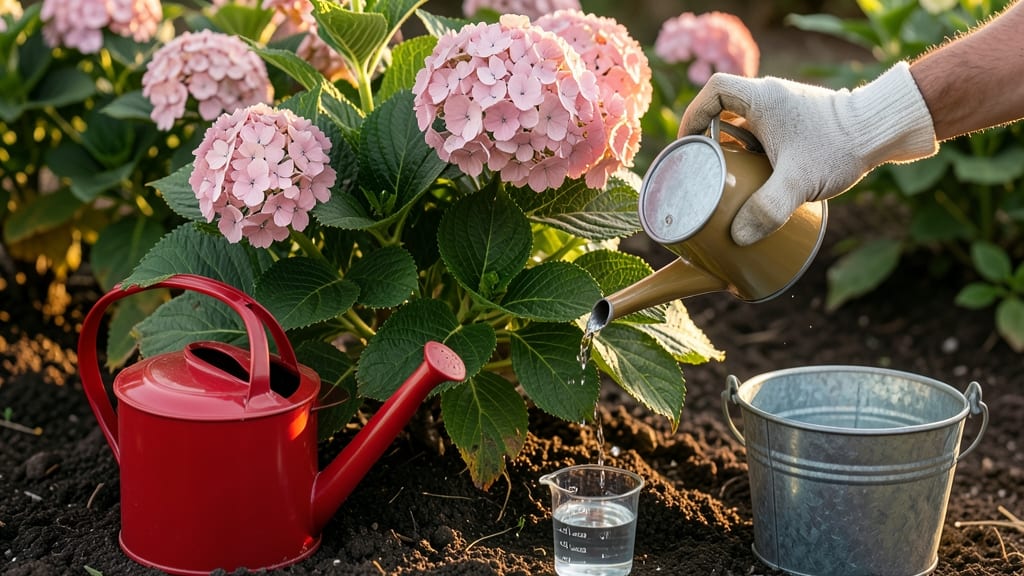
Watering flowers every day may seem like the safest bet, but it’s often the fastest way to suffocate their roots and invite mold.
Overwatering your flowers might seem like a way to keep them thriving, but it’s one of the fastest ways to kill them—yet many gardeners still don’t know the right balance.
Too much water drowns roots, leaches nutrients, and creates the perfect breeding ground for fungal diseases, while too little causes wilting and stunted growth. Finding that sweet spot means understanding your soil, your climate, and even the type of flowers you’re growing.
In this guide, I’ll break down the science-backed watering schedule for every season, how to spot overwatering before it’s too late, and the simple adjustments that can save your blooms—no guesswork required.
How often should you water flowers to avoid overwatering risks?
Watering flowers daily might seem like a surefire way to keep them lush, but overwatering is the #1 killer of garden flowers. Too much moisture suffocates roots, invites fungal diseases, and leaches vital nutrients from the soil.
The key is understanding your flower types, soil conditions, and local climate to create a watering schedule that supports growth without drowning your plants.
Most gardeners assume all flowers need the same care, but annuals like marigolds crave frequent watering while perennials like lavender thrive on neglect. Even the same plant behaves differently in sandy soil vs. clay—sand drains quickly, while clay holds moisture for days.
Let’s break down the science-backed watering frequencies to keep your blooms happy and healthy.
| Flower Type | Water Frequency | Soil Needs | Climate Adjustments | Signs of Overwatering |
|---|---|---|---|---|
| Annuals (e.g., Petunias, Zinnias) | Every 1-2 days (summer), 2-3 days (spring/fall) | Well-draining, slightly moist | Hot/dry climates: daily; humid: every 2 days | Yellow leaves, mold, wilting despite wet soil |
| Perennials (e.g., Lavender, Coneflowers) | Weekly (established), bi-weekly (dormant) | Dry, rocky, or sandy | Arid zones: less often; rainy: skip | Stunted growth, brown stems, foul odor |
| Bulbs (e.g., Tulips, Dahlias) | Deep watering every 7-10 days | Loamy, well-draining | Spring: weekly; summer: reduce | Soft bulbs, blackened stems, fungal spots |
| Drought-Tolerant (e.g., Succulents, Cacti) | Every 2-4 weeks (or none in winter) | Gritty, fast-draining | Desert climates: monthly; humid: bi-weekly | Shriveled leaves, blackened roots, rot smell |
💧 Pro Tip: Always water at soil level, not the leaves, to prevent fungal diseases.
For annual flowers like petunias or zinnias, daily watering in summer is often necessary, but that doesn’t mean drenching them. Aim for 1 inch of water per week, delivered in the early morning to reduce evaporation.
Use your finger to check soil moisture—if the top 1-2 inches are dry, it’s time to water. Perennials like lavender or coneflowers are far more resilient and only need watering when the soil feels bone-dry.
Your local climate zone plays a massive role in watering frequency. In USDA Zone 9 or 10, where heat and humidity are constant, you might need to water daily during peak summer.
But in Zone 4 or 5, where winters are harsh, most flowers enter dormancy and require little to no water until spring. Even within the same zone, microclimates matter—a south-facing bed bakes faster than a north-facing one.
Don’t ignore your soil type—it’s the unsung hero of watering schedules. Sandy soil drains like a sieve, so flowers planted in it may need watering every 2-3 days in summer. Conversely, clay soil holds moisture for weeks, risking root rot if you water on a strict schedule.
Amending your soil with compost or perlite can improve drainage and help you strike the right balance.
One of the biggest mistakes I see is watering based on a calendar rather than the plant’s needs. Instead of following a rigid "water every other day" rule, check the soil before reaching for the hose. Stick your finger 2 inches deep—if it’s dry, water; if it’s damp, wait.
This method works for container-grown flowers too, where soil dries out faster than in garden beds. Containers often need watering every 1-2 days in summer, but again, always check first.
If you’re still unsure, observe your flowers’ natural growth patterns. Healthy blooms should have vibrant green leaves and firm stems. Overwatered flowers often show yellowing leaves, mold, or wilting despite wet soil.
Underwatered ones have crispy edges and droopy petals. Adjust your schedule based on these visual cues—your flowers will thank you with longer blooming seasons
Signs your flowers are overwatered (and how to fix it)
Your flowers might be getting too much love—literally. Overwatering is a silent killer that shows up as yellowing leaves, mushy stems, and even white mold on the soil surface. The worst part? These signs often appear after it’s too late to save the plant.
I’ve seen firsthand how a well-meaning gardener can drown their prized petunias or snapdragons just by watering at the same time every day, regardless of the weather.
Most gardeners assume wilting means thirsty plants, but overwatered flowers often wilt too—because their roots can’t breathe. The soil stays soggy, oxygen gets locked out, and roots start to rot. Even worse, excess moisture creates the perfect environment for fungal diseases like powdery mildew or root rot.
If you’ve ever pulled up a plant to find its roots black and mushy, you’ve seen overwatering in action.
Here’s the harsh truth: Daily watering is a recipe for disaster unless you’re in a desert climate or growing water-loving plants like water lilies or canna lilies. For most flowers, deep, infrequent watering is the golden rule.
Let me show you how to spot the warning signs before your blooms turn into a science experiment gone wrong.
⚠️ Watering Flowers Every Day? Think Again!
Most flowers don’t need daily watering—even in summer. Here’s why:
- Soggy soil = suffocated roots (no oxygen = rot)
- Fungal diseases thrive in constantly wet conditions
- Nutrients leach away when water isn’t absorbed properly
Exception: Only water-loving plants (like water lilies) need frequent moisture. For others, check soil moisture first—stick your finger 1-2 inches deep. If it’s damp, wait.
Let’s start with the visual red flags that scream "your flowers are drowning." First, check the leaves. Healthy flowers have vibrant, firm foliage, but overwatered plants often show yellowing lower leaves first—this is a classic sign of root stress.
If the yellowing spreads upward or the leaves feel slimy or mushy to the touch, your plant is in trouble. Another dead giveaway? White or gray mold on the soil surface or stems—this is powdery mildew or downy mildew, both thriving in wet conditions.
Don’t ignore the stems and buds either. Overwatered flowers often develop black or brown spots where water pools, and their buds may fail to open or drop prematurely. Even the soil itself tells a story: if it smells rotten or sour, that’s a clear sign of overwatering.
Pro tip: Lift the plant gently—if the roots smell foul or look dark and mushy, it’s time to act fast. The good news? Many overwatered plants can recover with the right care.
Ready to save your flowers? Start by cutting back on water immediately. Let the top 1-2 inches of soil dry out before watering again, and always water deeply but less frequently. For containers, make sure pots have drainage holes and empty saucers after watering.
If your plant is severely affected, trim away mushy roots and repot in fresh, well-draining soil. Add a handful of perlite or sand to improve drainage, and avoid watering until the soil is completely dry.
Prevention is key! Mulch around your plants to regulate soil moisture, and water in the early morning so foliage dries quickly. If you’re unsure, use a moisture meter—it’s a game-changer for avoiding overwatering.
Remember, flowers are resilient, but they need the right balance. With these fixes, your blooms will bounce back stronger than ever.