
Flowers
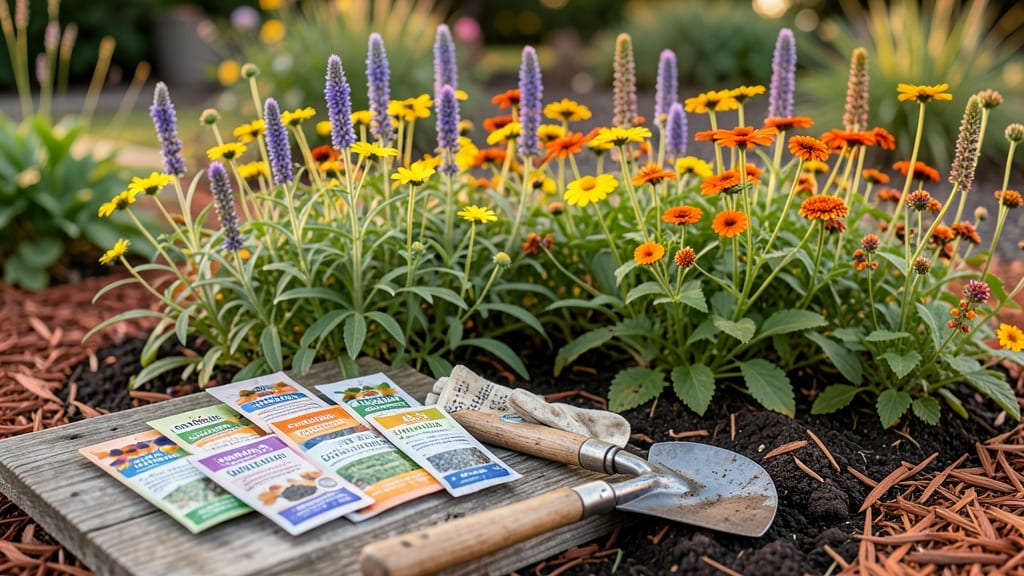
Plant wildflowers in Florida from fall through early spring to outsmart the heat and give your 🌼 meadow a fighting chance against summer’s relentless sun.
Picture this: you’ve spent hours scattering seeds, only to watch them wilt under Florida’s midday glare before a single bloom appears.
That’s why timing matters—cool-season varieties like bluebonnets and coreopsis thrive when planted in September or October, while warm-season favorites like black-eyed Susans wait for March or April to avoid the worst of the humidity.
Florida’s climate zones (8a–11) mean what works in North Florida’s cooler winters might fail in South Florida’s frost-free summers. The key? Match your wildflowers to the season and your zone, and you’ll turn your yard into a pollinator paradise without the guesswork.
In this guide, I’ll break down the exact months to plant by zone, share heat-resistant varieties that won’t bolt in July, and reveal the soil and watering tricks that keep wildflowers blooming—even when the thermometer hits 95°F.
Best months to plant wildflowers in Florida by climate zone
Florida’s climate zones—North, Central, and South—create wildly different conditions for wildflower planting. The North Zone (8a-9a) faces occasional frost, while the South Zone (10a-11) enjoys year-round warmth. Even the Central Zone (9b) has microclimates where timing can mean the difference between thriving blooms and wilted disappointment.
Native wildflowers like black-eyed Susans and coreopsis thrive when planted during their natural growing seasons. In Florida, the best planting windows align with rainfall patterns and temperature shifts. For cool-season varieties, aim for fall or early spring, while warm-season wildflowers love late spring to early summer plantings.
Key rule: Avoid planting during peak summer heat (June-August) unless you’re using heat-tolerant species. Most wildflowers struggle with 90°F+ temperatures and intense UV rays without proper moisture. Even Florida’s sandy soil can dry out quickly, stressing young seedlings.
Here’s how to match your planting schedule to Florida’s three distinct zones for maximum bloom success:
| Climate Zone | Best Planting Months | Ideal Wildflower Types | Heat Tolerance Tips | Avoid Planting |
|---|---|---|---|---|
| North Florida (8a-9a) | September-October March-April |
Black-eyed Susan Coreopsis Purple Coneflower |
Mulch heavily Use shade cloth Water deeply |
May-July (Frost risk in Dec-Feb) |
| Central Florida (9b) | August-September February-March |
Blanket Flower Mexican Sunflower Firewheel |
Plant in partial shade Use drought-resistant soil |
June-August (Extreme heat) |
| South Florida (10a-11) | Year-round (best: Jan-Feb, Sep-Oct) | Butterfly Milkweed Plume Poppy Goldenrod |
Drip irrigation Morning watering Windbreaks |
None (but avoid heavy rain seasons) |
For North Florida gardeners, September-October is prime time to plant cool-season wildflowers like purple coneflower. These varieties establish roots before winter chills arrive, giving them a head start for spring blooms. In Central Florida, August-September plantings help wildflowers beat the humidity and heat of late summer.
South Florida’s tropical climate allows for year-round planting, but January-February and September-October are still ideal. Native species like butterfly milkweed thrive with minimal intervention, while exotic varieties may need extra shade and moisture during summer’s peak.
If you’re planting frost-sensitive wildflowers in North Florida, use row covers or greenhouse trays in late winter. Even a single 30°F night can damage tender seedlings.
For Central and South Florida, focus on water management—drip irrigation or soaker hoses prevent root stress during dry spells.
Pro tip: Mix annual and perennial wildflowers for continuous color. Annuals like cosmos bloom quickly in spring and fall, while perennials like black-eyed Susans return year after year. This strategy ensures your wildflower meadow stays vibrant 12 months out of the year.
For maximum pollinator appeal, include native species like bee balm and goldenrod. These plants attract butterflies, bees, and hummingbirds while requiring minimal maintenance. Just avoid pesticides—wildflowers rely on natural ecosystems for survival.
Remember: Florida’s wildflowers are resilient but not invincible. Timing your plantings according to your climate zone and species needs is the secret to show-stopping blooms that last all season. Start with native varieties, and your wildflower garden will thrive with minimal effort.
Heat-resistant wildflower varieties for Florida’s harsh summers
Florida’s summer heat can turn wildflower gardens into a wilted disappointment if you don’t choose the right varieties. The key is selecting drought-tolerant, heat-loving wildflowers that thrive under 90°F+ temperatures and minimal watering.
These top 10 varieties are battle-tested for Florida’s USDA zones 8a–11, offering long bloom seasons with almost no fuss.
I’ve ranked them by heat resilience and low-maintenance needs, so you can skip the guesswork. Whether you’re planting in North Florida’s cooler winters or South Florida’s frost-free summers, these wildflowers deliver color and pollinator support without the high-water bill.
My top pick for Florida’s brutal summers is Lantana, which blooms year-round with almost zero care. It’s a magnet for butterflies and hummingbirds and handles drought and poor soil like a champ. Plant it in full sun and watch it spread—just be ready for its aggressive growth!
For longer bloom seasons, Blanket Flower and Coreopsis are unbeatable. Both thrive in sandy Florida soil and rebound after freezes or heatwaves. Scatter seeds in fall (September–October) for spring blooms, or plant in early spring (March) for summer color.
If you’re in South Florida’s frost-free zone, Portulaca is a summer-only superstar. Its succulent leaves store water, making it drought-proof and perfect for rock gardens or containers. Just plant the tiny seeds surface-level—they need light to germinate!
Pro tip: Mulch lightly with pine straw or compost to retain moisture without smothering these low-maintenance wildflowers. Once established, they’ll outcompete weeds and survive on rainfall alone.
Ready to transform your yard into a pollinator paradise? Grab a mix of these heat-resistant wildflowers and plant them in fall or early spring—your garden (and local bees) will thank you! 🌻