
Diseases
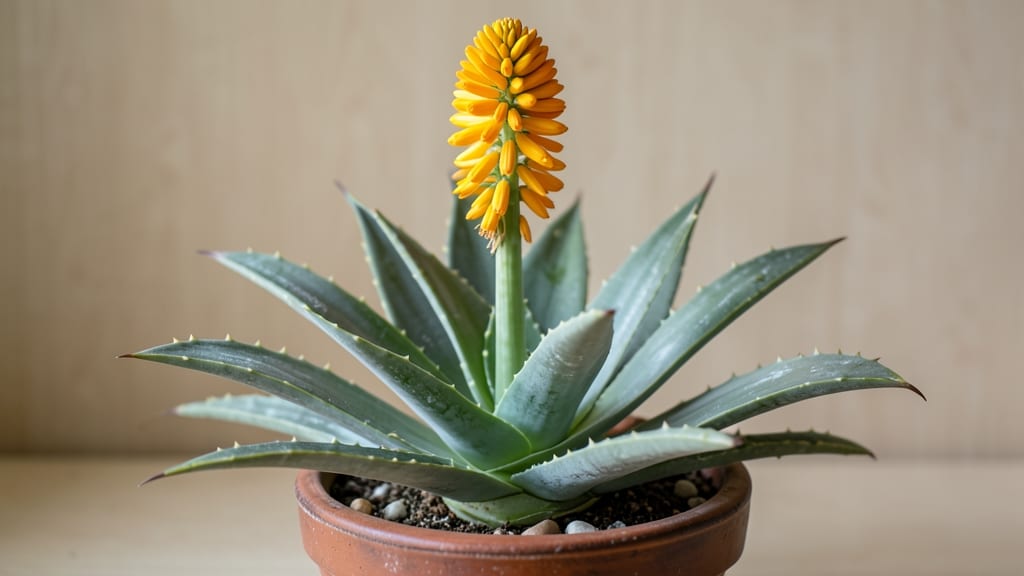
Seeing a yellow flower on your aloe vera 🌱 might look like a rare treat—but it could actually be a warning sign your plant is struggling.
These blooms aren’t always a cause for alarm, but when paired with yellowing leaves or stunted growth, they often point to deeper issues like nutrient deficiencies, overwatering, or even pests. The good news? Most of these problems are easy to fix with a few simple adjustments.
In this guide, I’ll break down why your aloe vera might be producing these unusual flowers, how to tell if they’re harmless or harmful, and the fastest ways to restore your plant’s health.
Whether it’s tweaking your watering schedule or adjusting light exposure, you’ll have your aloe vera thriving again in no time.
Skip the guesswork and dive into the step-by-step solutions—because a little attention now can save your plant from long-term damage.
Why does aloe vera develop yellow flowers? 5 Key causes
Aloe vera's yellow flowers often catch gardeners off guard. While they may seem like a stunning addition to your succulent collection, these blooms can actually reveal important clues about your plant's health.
Understanding the biological triggers behind these flowers helps you distinguish between natural growth and warning signs needing immediate attention.
In nature, aloe vera typically produces red, orange, or yellow flowers as part of its reproductive cycle. However, when these flowers appear unexpectedly indoors or show unusual yellowing patterns, it often indicates stress.
Let's explore the five key causes behind these vibrant blooms and what they mean for your plant's well-being.
Aloe vera blooms in spring or summer when mature, producing yellow or orange tubular flowers on tall stalks. This is a healthy sign when the rest of the plant looks vigorous.
Yellow flowers can indicate low potassium or phosphorus. Check for pale leaves or stunted growth—these often accompany flowering stress.
Excess moisture triggers stress flowers as the plant tries to reproduce before potential rot. Look for yellowing leaf tips or mushy stems.
Mealybugs or scale insects stress the plant, prompting early flowering. Inspect leaf undersides for white cottony masses or sticky residue.
Sudden temperature drops, low light, or drafty conditions can shock aloe vera into flowering. Check for leaf curling or color changes.
While natural flowering is generally a positive sign, the other four causes often require immediate action. If your aloe vera's yellow flowers appear alongside leaf discoloration, soft stems, or unusual growth patterns, it's time to investigate further.
The next step is identifying which specific stressor is affecting your plant.
One common misconception is that yellow flowers always mean disease. In reality, aloe vera's flowering is often a survival mechanism—the plant may be trying to reproduce before potential decline.
However, when combined with other symptoms like root rot or pest damage, those flowers become a clear warning signal.
I've seen many gardeners overlook these early signs because they assume the flowers are simply decorative. But in my experience, paying attention to flower color and timing can save your aloe vera from more serious issues.
For example, a mature aloe vera (over 2 years old) producing flowers in winter likely needs warmer conditions or better light exposure.
Another key indicator is the flower stalk length. Healthy flowering stalks grow 12-24 inches tall and produce 6-12 flowers. If yours are shorter or sparse, it suggests the plant is under stress.
This is particularly true if your aloe vera is indoor-grown, where light conditions are often insufficient.
When addressing these causes, start with the most obvious symptoms. For instance, if you notice yellowing leaves alongside the flowers, overwatering is likely the culprit. In contrast, brown leaf tips combined with flowers often point to low humidity or fluoride buildup from tap water.
Always check your watering habits first—they're the most common cause of stress in aloe vera.
Remember that aloe vera is a drought-resistant plant, and its flowering cycle is often triggered by environmental changes. If you've recently moved your plant or changed its light exposure, the sudden appearance of yellow flowers is likely a response to that adjustment.
Give it time to acclimate while monitoring for other stress signs.
For those growing aloe vera outdoors in warmer climates, seasonal changes play a bigger role. In USDA Zone 9-11, aloe vera typically flowers in late winter or early spring as temperatures rise.
If you're seeing flowers outside this window, your plant may be overcrowded or competing with other plants for nutrients.
How to fix yellow flower issues: step-by-step recovery guide
Aloe vera yellow flowers often signal your plant is struggling, even if they look striking. Before acting, confirm whether the yellow hue is natural or a warning sign. Natural blooms appear in spring and fade to brown, while stress-related yellowing often accompanies leaf discoloration or wilting.
Start by inspecting the flower stems and leaves for clues.
If the yellow flower appears pale or mushy, your aloe vera may be overwatered. Conversely, dry, crispy petals suggest underwatering or root rot. Check the soil moisture by inserting your finger 2 inches deep—if damp, reduce watering immediately. For dry soil, water deeply once and monitor closely.
If your aloe vera shows yellow flowers plus any of these, intervene immediately:
- ✅ Yellowing leaves (not just tips)
- ✅ Soft, mushy stems at the base
- ✅ White powdery spots (fungus)
- ✅ Stunted growth despite proper care
Action: Isolate the plant, trim affected areas with sterilized scissors, and repot in fresh, gritty soil.
For nutrient deficiencies, yellow flowers often pair with pale leaves or slow growth. Test your soil pH—aloe vera thrives in 6.0–7.5. If too alkaline, amend with sulfur or peat moss. Feed with a balanced fertilizer (2-7-2 NPK) every 6–8 weeks in spring/summer, but avoid over-fertilizing.
Improve light exposure if flowers appear weak or sparse. Move your aloe vera to a south-facing window or under grow lights (6+ hours/day). Yellowing from light stress often occurs when plants shift from indoor shade to harsh outdoor sun—acclimate gradually over 1–2 weeks.
Prune dead or diseased flowers using clean pruners to redirect energy to healthy growth. Cut 1 inch above the base of the stem to prevent rot. For overcrowded plants, remove pups (offspring) and repot them separately in well-draining cactus mix.
Finally, check for pests like mealybugs or scale, which drain nutrients and cause yellowing. Wipe leaves with rubbing alcohol (70% isopropyl) or spray with neem oil weekly until pests vanish. Monitor your aloe vera’s progress—healthy flowers should return within 4–6 weeks of corrections.