
Blooming
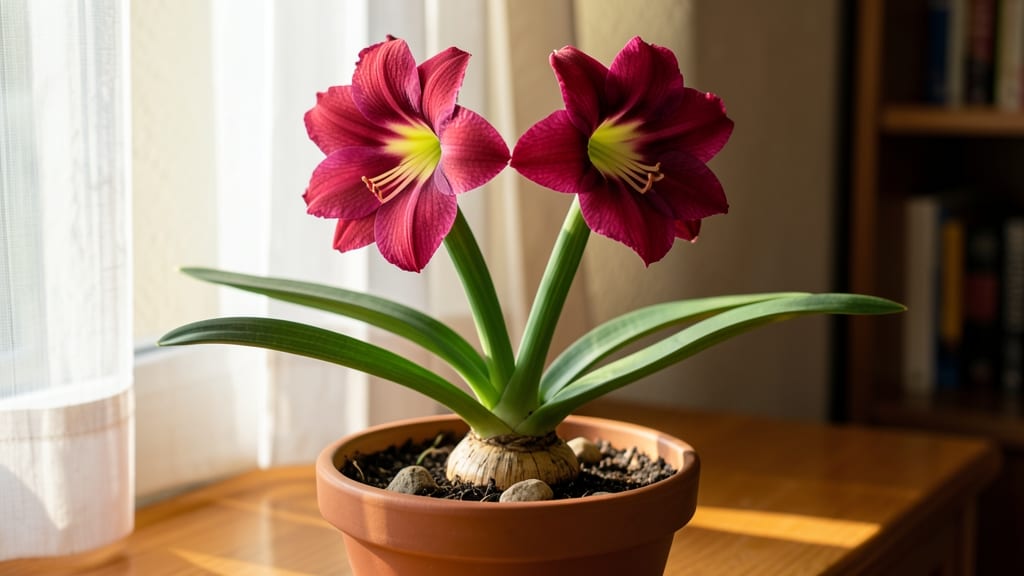
Your amaryllis flowering time depends entirely on when you planted it—spring bulbs bloom in late winter to early spring, while fall-planted ones wait until holiday season.
If you’ve ever wondered why your 🌸 amaryllis refuses to bloom—or when to expect those dramatic, trumpet-shaped flowers—timing is everything. Understanding the exact flowering window can transform your indoor plant from a dormant bulb into a showstopping centerpiece.
Most gardeners plant in fall for Christmas blooms, but the secret to controlling bloom time lies in light, temperature, and dormancy tricks. Skip these steps, and you might end up with a leafy plant and no flowers at all.
Below, I’ll break down the 6–8 week pre-bloom period, how to predict your exact flowering window, and the 3-step protocol to force blooms whenever you want—even in summer.
When do amaryllis flowers bloom: exact months based on planting season
Amaryllis bulbs are masters of timing, and their flowering window depends entirely on when you plant them. Most gardeners aim for spring blooms, but with the right approach, you can also coax flowers in fall or even winter.
The key lies in understanding the 6–8 week pre-bloom dormancy period that amaryllis bulbs require before they burst into dramatic, trumpet-shaped blooms.
For indoor cultivation, timing is critical because these bulbs won’t bloom randomly—they follow a predictable cycle tied to their planting season.
Whether you’re a first-time grower or a seasoned plant parent, knowing these exact months will help you plan for showstopping displays, especially around holidays like Christmas or Valentine’s Day.
Regional climate also plays a role in adjusting these timelines. Gardeners in USDA Zones 8–10 might see slightly earlier blooms, while those in cooler zones (like Zone 6) may need to extend dormancy periods. The good news? With a few adjustments, you can predict bloom dates like a pro.
If you plant amaryllis bulbs in the fall (September–November), they’ll follow nature’s cue and bloom in late winter or early spring. This is the most common approach for indoor growers, as it aligns with the plant’s natural dormancy cycle.
For example, a bulb planted in October will typically produce buds by December and flower by January or February.
The 6–8 week pre-bloom period is non-negotiable—this is when the bulb stores energy and prepares its floral display. Skipping dormancy (like keeping bulbs too warm or watered) can delay or even prevent blooms.
For indoor growers, this means avoiding heat sources and reducing watering once the leaves yellow after flowering.
For outdoor cultivation, planting in spring (March–April) shifts the bloom window to late summer or fall. This works well in warmer climates (Zones 8+) where frost isn’t a threat.
In cooler regions, outdoor bulbs may need winter protection or container growing to survive. The trade-off? Fall-blooming amaryllis add color to gardens when many other plants have faded.
Predicting bloom dates isn’t just about the calendar—it’s also about light exposure and temperature. Amaryllis bulbs need 12–14 hours of daylight to trigger flowering. In winter, supplement with a grow light if natural light is limited.
Meanwhile, keeping bulbs in a cool (60–65°F) environment during dormancy ensures they’ll bloom on schedule.
One common mistake is assuming amaryllis will bloom immediately after planting. In reality, they need time to establish roots and store energy. For example, bulbs planted in November won’t flower until February or March—patience is key!
If you’re aiming for a holiday display, start the dormancy period in October to time blooms for Christmas.
Regional adjustments are crucial. Gardeners in the South (Zone 9+) might see blooms as early as December from fall plantings, while those in the North (Zone 6) could delay planting until October to avoid early frosts.
Always check your last frost date—planting too early in cold climates can stunt bulb development.
To summarize, timing is everything with amaryllis. Whether you’re growing them indoors for a centerpiece or outdoors for seasonal color, understanding these exact months will help you achieve reliable, stunning blooms every time.
Next, we’ll explore how to trigger flowering on demand—even if your bulb isn’t following the natural schedule! 🌸
How to trigger amaryllis flowering: proven steps to control bloom time
Controlling your amaryllis flowering time is easier than you think—it just takes a little strategy with light exposure, temperature shifts, and a dormancy trick. Most gardeners plant in fall for Christmas blooms, but you can force flowers for any season by mimicking natural conditions.
The key? A 6–8 week pre-bloom period where the bulb stores energy.
Think of your amaryllis bulb like a battery—it needs charging (growing phase) followed by rest (dormancy) to power those stunning blooms. Skip the dormancy step, and you’ll get leaves but no flowers.
Below, I’ll walk you through the exact steps to trigger blooms on demand, plus how to fix bulbs that refuse to cooperate.
- 🌱 Step 1: Force Dormancy – Stop watering and move to 60°F (15°C) for 8–10 weeks to break dormancy.
- ☀️ Step 2: Recharge with Light – Return to bright indirect light and resume watering when sprouts appear (2–4 weeks).
- 💧 Step 3: Bloom Trigger – Keep soil moist but not soggy and fertilize lightly with 10-10-10 every 4 weeks.
Start by letting your bulb dry out completely for 8–10 weeks in a cool, dark spot (like a closet). This mimics winter conditions and forces the bulb to store energy for blooming.
Once you see green shoots, move it to a sunny window (east or west-facing) and water lightly. Avoid overwatering—soggy soil causes rot and delays blooms.
Common mistakes like over-fertilizing or skipping dormancy can leave your amaryllis leafy but flowerless. If your bulb refuses to bloom, check for root rot (black, mushy roots) or nutrient deficiencies (pale leaves). Revive it by trimming dead roots, repotting in fresh soil, and restarting the dormancy cycle.
For holiday blooms, plant bulbs in September–October and follow the dormancy steps. If you want summer flowers, plant in March–April and adjust the timing. The secret? Patience—amaryllis bulbs need 6–8 weeks of growing time before they’ll bloom, no matter the season.
Pro tip: Use a grow light if natural light is weak. Place it 6–8 inches above the plant for 12 hours/day to speed up flowering. With these steps, you’ll have showstopping blooms exactly when you want them—guaranteed!