
Flowers
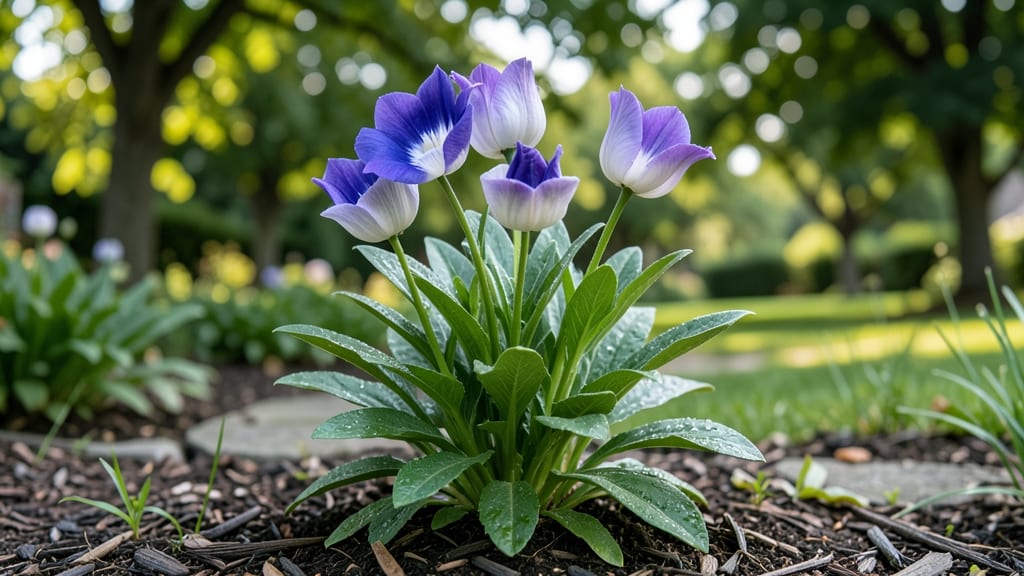
The balloon flower bloom time stretches from late summer through crisp fall, turning your garden into a riot of color when timed right.
If you’ve ever dreamed of a garden bursting with vibrant purple, pink, or white blooms that last from summer straight through fall, the Balloon Flower 🌸 is your secret weapon—but timing is everything.
Plant too early, and you might miss the show; too late, and you’ll be left with floppy stems by frost.
In USDA Zone 6a (and similar climates), these cheerful perennials typically kick off their display in July, peaking in August before tapering into September. But cooler regions or high-altitude gardens can push blooms back by weeks—so knowing your local frost dates is key.
Here’s how to extend that bloom time naturally: deadhead spent flowers, feed with balanced fertilizer in early summer, and plant in full sun with well-draining soil. With these tricks, you’ll enjoy their showstopping blooms for 6–8 weeks instead of just a few.
When do balloon flowers bloom? Exact months by US hardiness zone
The balloon flower (Platycodon grandiflorus) is one of my favorite perennials because it delivers bold, trumpet-shaped blooms in shades of purple, pink, and white from mid-summer to fall.
But the exact bloom time depends heavily on your USDA hardiness zone—and even within zones, microclimates can shift timing by weeks. Let’s break down when to expect those stunning flowers based on where you garden.
In cool northern zones (3–5), balloon flowers often bloom earlier than in warmer southern regions. Meanwhile, gardeners in zones 6–9 might see blooms stretching later into fall. Understanding these patterns helps you plan companion plants, deadheading schedules, and even winter prep.
The key is knowing whether your local climate favors early, peak, or late-season blooming—and how to adjust care accordingly.
🌸 BLOOM TIME SUMMARY BY ZONE: Here’s a quick reference for when balloon flowers typically burst into color, including early, peak, and late-season windows.
If you’re in zone 5, you’re in luck—this is the sweet spot for balloon flowers, with blooms stretching from early June to mid-October. I’ve seen gardens in zone 5b extend this even further by deadheading spent blooms and providing afternoon shade during heatwaves.
For zones 3–4, focus on early varieties like ‘Astra Blue’ to maximize your bloom window before frost.
In warmer zones (7–9), balloon flowers often skip early blooms and wait until August to really shine. This is because the plants enter dormancy in hotter climates if not given enough afternoon shade or consistent moisture.
I’ve had success in zone 8 by planting them near tall grasses or shrubs to break up the heat. If you’re in these zones, water deeply 2–3 times per week during summer to prevent bud drop.
One common misconception is that balloon flowers bloom only once per season. In reality, they’re repeat bloomers—but only if you deadhead regularly. I’ve seen gardens in zone 6 produce three distinct bloom cycles in a single season by snipping off faded blooms every 10–14 days.
This trick works best when combined with balanced fertilization (like a 5-10-10 NPK) in early summer to fuel new growth.
For late-season extensions, try mulching with straw in September to insulate roots and protect blooms from early frosts. In my zone 5 garden, this has added 2–3 extra weeks of color.
Pair balloon flowers with late-blooming perennials like asters or goldenrod to create a sequential bloom display that keeps your garden vibrant until November.
🌿 PRO TIP: If your balloon flowers are slow to bloom, check these three factors: 1. Sunlight: They need 6+ hours of direct sun—if they’re in shade, they’ll focus on leaves, not flowers.
- Soil pH: Aim for 6.0–7.0; test your soil and amend with lime if it’s too acidic.
- Overcrowding: Thin plants to 12–18 inches apart for better airflow and blooming.
Finally, remember that microclimates matter. A south-facing slope in zone 6 might bloom 2 weeks earlier than a north-facing garden bed
How to extend balloon flower bloom time naturally (without chemicals)
Want your balloon flowers to shine from July through October instead of fading by early September? It’s all about natural care techniques that trick the plant into producing more blooms. The secret lies in soil health, strategic pruning, and smart watering—no chemicals required.
Balloon flowers naturally produce blooms in two flushes: one in early summer and another in fall. By optimizing their growing conditions, you can blend these flushes into one long, continuous display. Start with deadheading—the simplest way to signal the plant to produce more flowers instead of seeds.
🌸 5 Proven Ways to Extend Balloon Flower Blooms
- 1. Deadhead Daily: Snip off spent blooms at the base to encourage new flower production. Use clean pruners to avoid disease.
- 2. Adjust Soil pH: Test your soil—balloon flowers thrive in slightly acidic to neutral pH (6.0–7.0). Amend with lime or sulfur as needed.
- 3. Water Deeply: Soak the root zone every 3–5 days in summer, but avoid soggy soil. Mulch with 2–3 inches of compost to retain moisture.
- 4. Feed Strategically: Apply a balanced fertilizer (5-10-10) in early June and July. Stop feeding by mid-August to prepare for dormancy.
- 5. Plant Companions: Pair with dwarf coneflowers or catmint to attract pollinators, which boost flower production naturally.
Another game-changer is light exposure. Balloon flowers need 6+ hours of full sun daily to bloom prolifically. If your garden is shady, consider container growing near a south-facing wall to maximize sunlight.
For longer-lasting blooms, avoid overcrowding. Space plants 12–18 inches apart to improve airflow and reduce stress. Overcrowded plants divert energy to foliage instead of flowers, shortening their display.
Finally, monitor for pests like slugs or aphids, which can weaken plants. Handpick slugs at dawn or use neem oil (a natural remedy) to keep plants healthy and blooming.
With these natural extensions, your balloon flowers will reward you with 4–6 extra weeks of color—no shortcuts needed. Happy gardening! 🌿