
Shrubs
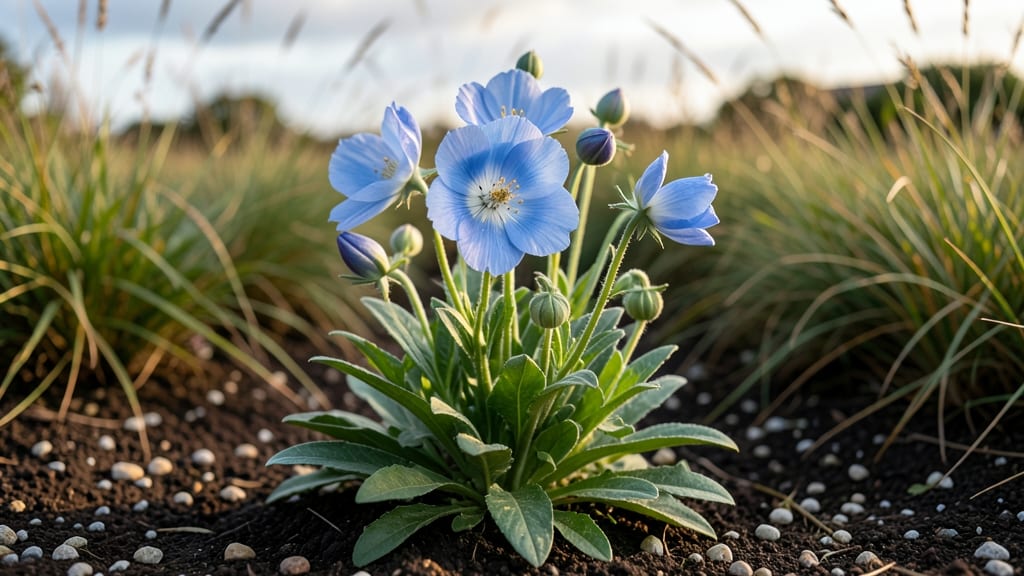
The balloon flower thrives in both sun and shade, making it one of the most adaptable perennials for your garden 🌸.
Struggling to keep your garden vibrant with year-round blooms? The balloon flower thrives in both sun and shade—making it the perfect low-maintenance solution for almost any garden spot.
Whether you have a sunny border or a shady corner, this versatile plant delivers stunning blooms with minimal fuss. I’ll show you how to maximize its potential in any light condition, from full sun to deep shade, so you can enjoy those iconic puffy flowers all season.
You’ll learn the best soil prep, watering schedules, and pruning tricks to keep your balloon flower looking its best, no matter where you plant it.
 Best Window Placement
Balloon flower sun requirements: maximizing blooms in full light
If you're dreaming of a garden bursting with balloon flower blooms, you'll love how these versatile plants thrive in full sun conditions. While they tolerate partial shade, 6 hours of direct sunlight per day will reward you with the most vibrant blooms and robust growth.
I've found that positioning them in south-facing borders or elevated containers maximizes their potential, especially in hotter climates where afternoon shade helps prevent stress.
Balloon flowers (Platycodon grandiflorus) are true sun lovers, but they're not as finicky as some other sun-hungry perennials. Their deep blue, pink, or white flowers will pop against green foliage when given the right conditions.
The key is balancing sun exposure, well-draining soil, and consistent moisture—especially during their first growing season when they establish roots.
Here's what you need to know about optimizing their sun exposure for maximum blooms and healthy foliage. The right placement can transform your garden from "meh" to "wow" in just one season!
| Factor | Full Sun Requirements | Partial Sun Adjustments |
|---|---|---|
| Sun Hours | 6+ hours direct sun | 3-4 hours max |
| Best Locations | South-facing beds, containers | East/west-facing spots, under trees |
| Soil pH | 6.0-7.0 (neutral) | Same (6.0-7.0) |
| Water Needs | Deep weekly watering | Every 10-14 days |
| Mulch Depth | 2-3 inches organic | Same (2-3 inches) |
| Bloom Duration | Summer to early fall | Shorter season |
For full sun success, start by preparing your garden bed with loamy, well-draining soil. Balloon flowers hate soggy roots, so amend heavy clay with compost or perlite to improve aeration.
I mix in a 5-10-10 balanced fertilizer at planting time to give them a nutrient boost for the season ahead. This helps them establish strong roots quickly, which is crucial for handling the intense sunlight they'll receive.
When planting in containers, choose pots with drainage holes and use a lightweight potting mix blended with sand or vermiculite. This prevents compaction and ensures excess water drains away.
I've had great luck with 12-inch terracotta pots placed on patios where they get morning sun and afternoon shade—this mimics their natural preference in hot climates.
Watering is where many gardeners trip up. Deep watering once a week is ideal, but in intense heat, you may need to water every 5-7 days. The key is to soak the soil until it's moist 6 inches deep, then let it dry slightly before watering again.
Overhead watering can lead to fungal issues, so I use a soaker hose or water at the base of the plant in the early morning to reduce evaporation.
One of my favorite tricks for sun-exposed balloon flowers is mulching. A 2-3 inch layer of straw or shredded leaves keeps roots cool, retains moisture, and suppresses weeds. I apply mulch after the soil warms in late spring, just as the plants start their active growth phase.
This simple step can double your bloom production by reducing stress on the plants.
If you notice your balloon flowers wilting or developing brown edges in full sun, they might be getting too much direct afternoon heat. Try pruning back any leggy stems and providing light shade cloth during peak afternoon hours.
Varieties like 'Astra Blue' handle sun better than 'White Dawn', so choosing the right cultivar for your climate makes a big difference.
For container gardeners, rotate your pots every 2-3 weeks to ensure even sun exposure on all sides. This prevents the plants from leaning toward the light, which can make them look lopsided.
I also recommend fertilizing every 4-6 weeks during the growing season with a low-nitrogen, high-phosphorus formula to encourage more blooms rather than foliage.
Remember, balloon flowers are perennials, so they'll come back year after year with proper care. The first year might be slower as they establish, but by year two, you'll see stunning clusters of blooms that last from late summer to fall.
With the right sun exposure, soil prep, and watering routine, your balloon flowers will become the star of your garden—no fancy tricks required!
🌸
Growing balloon flowers in shade: secrets for thriving in low-light gardens
Don't let shady spots discourage you from growing balloon flowers—they thrive beautifully in partial shade with the right care. While they prefer some sunlight, I've successfully grown them under mature trees and in north-facing gardens where other plants struggle.
The key lies in selecting the right varieties and adjusting your growing approach to compensate for lower light levels.
Balloon flowers in shade may produce fewer blooms than their sun-loving cousins, but they'll still reward you with lush foliage and occasional vibrant flowers. I've found that morning sun combined with afternoon shade gives the best results, especially in hot climates where direct afternoon rays can scorch delicate foliage.
Balloon Flowers in Shade
- ✅ More foliage growth
- ✅ Lower maintenance needs
- ✅ Better for containers in shady spots
- ✅ Fewer pests like aphids
Balloon Flowers in Sun
- ⚠️ More watering required
- ⚠️ Higher risk of leaf burn
- ⚠️ More pruning needed
- ⚠️ Shorter plant life in extreme heat
Best Varieties for Shade: 'White Dawn' and 'Marine' perform best in low-light conditions
When planting balloon flowers in shade, choose well-draining soil with plenty of organic matter. I recommend mixing compost or aged manure into your garden bed to improve fertility and moisture retention. The soil pH should stay between 6.0-7.0, which is ideal for these plants regardless of light conditions.
For container growing in shady spots, select pots with good drainage and use a lightweight potting mix blended with perlite or vermiculite. I've had great success with 10-inch containers placed under decorative trees or along north-facing walls.
Remember to water containers more frequently than in-ground plants since they dry out faster.
One common issue with shaded balloon flowers is leggy growth and sparse blooming. To encourage more compact plants, I recommend pinching back the tips of new growth in early summer.
This redirects energy from leaf production to flower bud formation. Additionally, use a balanced fertilizer with slightly higher phosphorus content (like 5-10-10) to promote blooming rather than foliage growth.
If your balloon flowers develop yellow leaves in shade, they may be getting too much moisture or lacking nutrients. I suggest reducing watering slightly and applying a chelated iron supplement to address potential deficiencies.
For pests, watch for slugs and snails in shady, damp conditions—these creatures love the moist environment and can quickly defoliate young plants.
With proper care, your shaded balloon flowers can thrive for years, providing seasonal interest and elegant blooms even in the darkest corners of your garden.
The secret is patience—these plants may take 1-2 years to establish fully in shade, but once they do, they'll reward you with beautiful foliage and occasional show-stopping flowers that brighten up any shady spot.
🌿