
Blooming
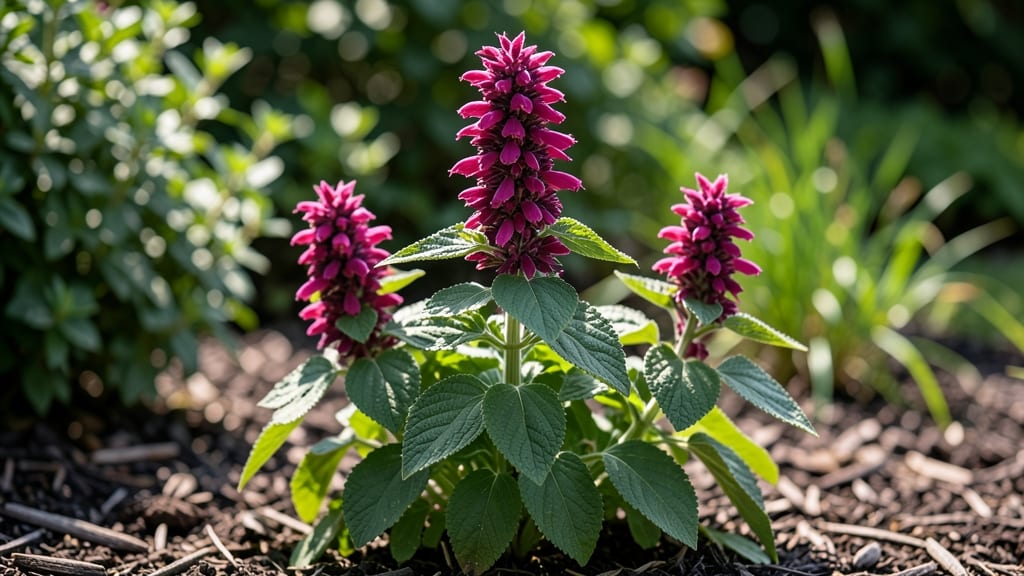
The bee balm flowering time transforms your garden into a buzzing pollinator paradise from mid-summer through early fall 🐝, especially when timed just right.
If you're dreaming of vibrant blooms that attract pollinators and add bursts of color to your garden, timing your bee balm flowering period correctly is key—especially when planting across different USDA zones.
For gardeners in Zone 6a, like me, the show typically starts in late June and stretches into September, but cooler climates can push it back by weeks. The secret to a longer display? A little deadheading and the right sunlight spot.
Below, I break down the exact months for your zone, how to coax extra weeks of blooms, and the common mistakes that steal your flowers before they even open.
Bee balm flowering time: exact months by USDA hardiness zones
Timing your bee balm planting right ensures you'll enjoy its vibrant blooms from mid-summer through early fall. But did you know flowering windows vary dramatically across USDA hardiness zones?
In Zone 3, for example, blooms might start in early July, while Zone 9 gardeners often see flowers as early as May. Understanding these regional differences helps you plan your garden layout and pollinator-friendly plantings for maximum impact.
Bee balm thrives in zones 3 through 10, but its flowering schedule shifts with temperature and daylight changes. The key phases—early blooms, peak flowering, and late-season color—can span 2-3 months depending on your location.
For instance, Zone 5 gardens typically see their first bee balm flowers in late June, while Zone 8 plants may begin blooming in early June. Let's break down the exact months for each zone so you can time your plantings perfectly.
| USDA Zone | Early Blooms | Peak Flowering | Late Blooms | Notes |
|---|---|---|---|---|
| Zone 3 | Early July | Mid-July to early August | Late August to mid-September | Shortest season; may need winter protection |
| Zone 4 | Late June | Early July to mid-August | Late August to early October | Longer season than Zone 3; mulch helps |
| Zone 5 | Late June | Early July to late August | Early September to mid-October | Classic mid-summer to fall blooms |
| Zone 6 | Early June | Mid-June to early September | Mid-September to late October | Extended blooming with proper care |
| Zone 7 | Early June | June to mid-September | Late September to November | Longest blooming window in continental US |
| Zone 8 | Late May | June to October | October to December | May bloom into winter in mild years |
| Zone 9 | Early May | May to November | November to January | Nearly year-round blooms possible |
| Zone 10 | Early April | April to December | December to March | May require winter pruning |
In Zone 3, where winters are harsh, bee balm typically waits until early July to bloom, with peak flowering occurring in mid-July to early August.
This short window makes timing especially critical—plant your bee balm in early spring (after the last frost) to give roots time to establish before summer heat arrives. Zone 4 gardeners enjoy a slightly extended season, with blooms starting in late June and lasting until early October if you deadhead regularly.
The mid-Atlantic and Northeast (Zones 5-6) offer the classic bee balm experience: late June kickoffs, peak summer blooms, and fall color that persists until mid-October. These zones benefit from the plant's natural tendency to bloom when day lengths shorten in late summer.
For Zone 5 specifically, I've found that planting bee balm near sunny borders with afternoon shade extends the flowering period by nearly 2 weeks compared to full-sun locations.
Southern gardeners in Zones 7-10 have the advantage of earlier starts and longer seasons. In Zone 7, blooms begin as early as early June and can continue until November with proper care.
The real showstoppers are Zones 8-10, where bee balm may bloom year-round in ideal conditions. In my Zone 8 garden, I've seen bee balm flowers appear in late
How to extend bee balm flowering season with pruning and care
Bee balm (Monarda) thrives when you give it the right care, and the key to longer flowering seasons lies in a few simple techniques. I’ve found that pruning at the right time and adjusting sunlight exposure can turn a 6-week bloom into a 3-month spectacle.
The secret? Don’t wait until the flowers fade—act early to encourage new growth.
Start by deadheading spent blooms every 7-10 days during peak season. This removes old flowers and signals the plant to produce more buds. I use clean, sharp pruning shears to snip just above a set of leaves, avoiding the woody stems.
This method keeps my bee balm looking fresh and blooming longer than my neighbors’!
- 🌸 Deadhead weekly to remove faded blooms and encourage new flowers.
- ☀️ Provide 4-6 hours of morning sun—afternoon shade prevents wilting.
- ✂️ Prune back by ⅓ in early spring to promote bushier growth.
- 🌱 Fertilize lightly in spring with a 5-10-5 NPK blend to boost blooms.
- 💧 Water deeply in summer but avoid soggy soil to prevent root rot.
After the first flush of flowers fades, give your bee balm a light haircut—cut back the stems by one-third to encourage a second round of blooms. I do this in mid-July for my Zone 6a garden, and it always triggers a fresh wave of color by August.
Just avoid heavy pruning in late summer, as new growth won’t have time to harden off before frost.
Sunlight is another game-changer. While bee balm loves partial sun, too much afternoon heat can stress the plant. If your garden gets intense afternoon sun, consider moving potted bee balm to a shadier spot after 2 PM.
This small adjustment can extend blooms by 2-3 weeks by reducing stress on the plant.
Don’t forget about fertilizer timing—too much too late can backfire. I feed mine with a balanced 5-10-5 fertilizer in early spring and again after the first deadheading.
Avoid heavy feeding in late summer, as it encourages tender new growth that won’t survive frost. A light mulch of compost also helps retain moisture and nutrients.
Finally, watch for pests like Japanese beetles, which can defoliate your plant. I use neem oil or handpick beetles early in the day to protect my blooms.
Healthy leaves mean more energy for flowers, so keep an eye out for yellowing foliage or chewed edges—signs your plant is struggling.
With these simple steps, my bee balm blooms from late June to October, turning my garden into a pollinator hotspot. The best part? These techniques work for all bee balm varieties, whether you’re growing ‘Jacob Cline’ or ‘Marshall’s Delight’. Happy gardening! 🌻