
Neem Oil
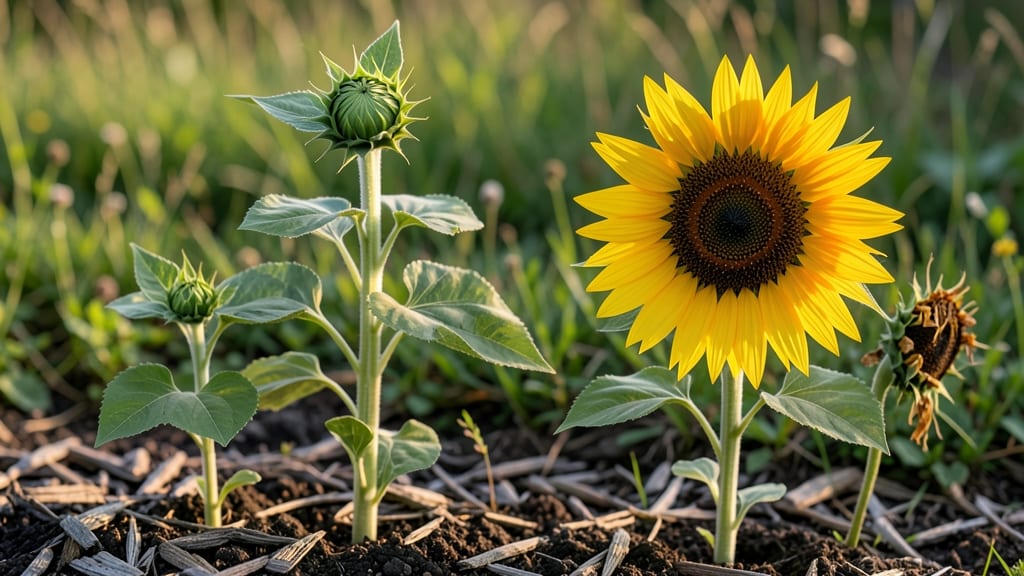
Understanding the Black Oil Sunflower growth stages 🌻 is the key to unlocking a bountiful harvest—these towering giants go from seed to tower in just 60 days if you catch each phase right.
Picture this: you’ve just tucked those tiny seeds into warm soil, and by late summer, you’re staring at a 10-foot pollinator magnet. But here’s the catch—skip a step, and you’ll end up with leggy stems or hollow heads.
That’s why knowing when to water, fertilize, and watch for pests at each stage makes all the difference.
From the first sprouts peeking through the dirt to the moment the seed heads turn dark and heavy, every milestone matters. Below, I’ll walk you through the month-by-month timeline, including height checks, care tweaks, and red flags to catch early.
By the end, you’ll spot the signs of a thriving plant—and avoid the three biggest mistakes that derail even the most eager gardeners. Let’s get growing!


Black oil sunflower growth stages by month: height & development timeline
Tracking the Black Oil Sunflower growth stages 🌻 month by month transforms guesswork into a predictable harvest. These sunflowers grow from 1-inch seeds to 10-foot giants in just 60-75 days, but each phase demands specific care.
Below, I’ll break down what to expect at every milestone—including height, days to maturity, and visual cues to spot problems early.
For example, a 2-week-old seedling should be 2-4 inches tall with 2-4 true leaves. Skip this stage, and you risk weak stems that can’t support heavy seed heads later. The key is knowing when to thin seedlings, fertilize, and watch for pests like aphids or sunflower moths.
Here’s your month-by-month roadmap, complete with a height chart and care adjustments. Use this to plan your planting window and troubleshoot issues before they derail your harvest.
| Stage | Month | Height | Days to Stage | Key Development | Care Tips |
|---|---|---|---|---|---|
| Germination | April | 0.1-0.5 in | 5-10 days | Sprouts emerge; first cotyledon leaves appear | Keep soil moist; avoid overwatering |
| Seedling | April-May | 2-6 in | 14-21 days | 2-4 true leaves; thin to 6 inches apart | Thin weak seedlings; add compost for nutrients |
| Vegetative | May-June | 2-4 ft | 30-45 days | Rapid stem growth; lower leaves yellow | Fertilize with 10-10-10; stake if needed |
| Budding | June-July | 4-6 ft | 45-55 days | Flower buds form; yellow petals appear | Reduce water; watch for bird damage |
| Flowering | July-August | 6-8 ft | 55-65 days | Full bloom; dark seed head forms | Hand-pollinate if needed; no fertilizer |
| Maturity | August-September | 8-12 ft | 60-75 days | Seed head turns dark brown/black; back turns yellow | Harvest when seed head feels heavy; dry seeds |
Now that you’ve got the timeline, let’s dive deeper into what to watch for at each stage. For instance, during the vegetative phase (May-June), your sunflowers will shoot up 2-4 feet in just 2-3 weeks. This is when you’ll
Critical care tips for each black oil sunflower growth stage
Black oil sunflowers grow at breakneck speed, but each stage demands different care. At the germination phase (weeks 1-2), your focus should be on keeping soil moist but not soggy—overwatering here causes seed rot.
I’ve seen seedlings drown in just 48 hours if planted too deep or in clay-heavy soil. Use a soil thermometer to confirm temps stay above 55°F—cold soil delays sprouting by up to a week.
Once seedlings emerge (weeks 2-3), they enter the vegetative stage, where rapid stem growth begins. This is when many gardeners make their first mistake: overcrowding plants. Thin seedlings to 6 inches apart immediately—competition for nutrients leads to weak stems that snap in wind.
I recommend using a hand trowel for precision instead of pulling by hand to avoid damaging roots.
🚨
Black oil sunflowers are nitrogen-sensitive in their first 3 weeks. Too much fertilizer causes leafy growth at the expense of roots, making plants top-heavy and prone to lodging. Instead, side-dress with compost tea (1 tbsp per plant) at week 4 when true leaves appear.
✅ Do: Use low-nitrogen fertilizer (5-5-5) at week 5
❌ Avoid: High-nitrogen starter fertilizers like 10-10-10
By week 5, your plants should hit the budding stage, where flower heads form. This is when pest pressure peaks—aphids and spider mites target tender buds. I’ve had success with neem oil sprays applied every 7 days during this phase.
Watch for yellowing leaves on the lower stems, which signals aphids. Remove heavily infested leaves immediately and isolate affected plants to prevent spread.
During the flowering stage (weeks 7-9), watering needs shift dramatically. Mature plants require 1-2 inches of water per week, but timing matters: water at soil level, not the leaves, to prevent fungal diseases like powdery mildew.
I use a soaker hose placed at the base of each plant to deliver water efficiently. This stage is also when pruning side shoots becomes critical—remove all lateral branches below the main head to redirect energy to seed production.
The final maturity stage (weeks 10-12) demands patience. Once the back of the flower head turns dark brown, stop watering entirely to prevent cracking. I’ve seen seed heads split open if soil stays wet during harvest.
Instead, water deeply every 10 days to encourage natural drying. Hang harvested heads in a well-ventilated, dry area for 2-3 weeks to fully mature seeds—this doubles their shelf life for next year’s planting.
Throughout all stages, soil pH between 6.0-7.0 is non-negotiable. Test your soil at planting and again at week 6. If pH drops below 5.5, amend with lime—acidic soil locks out essential nutrients like phosphorus, stunting growth.
My go-to fix is pelletized lime mixed into the top 6 inches of soil before planting.