
Blooming
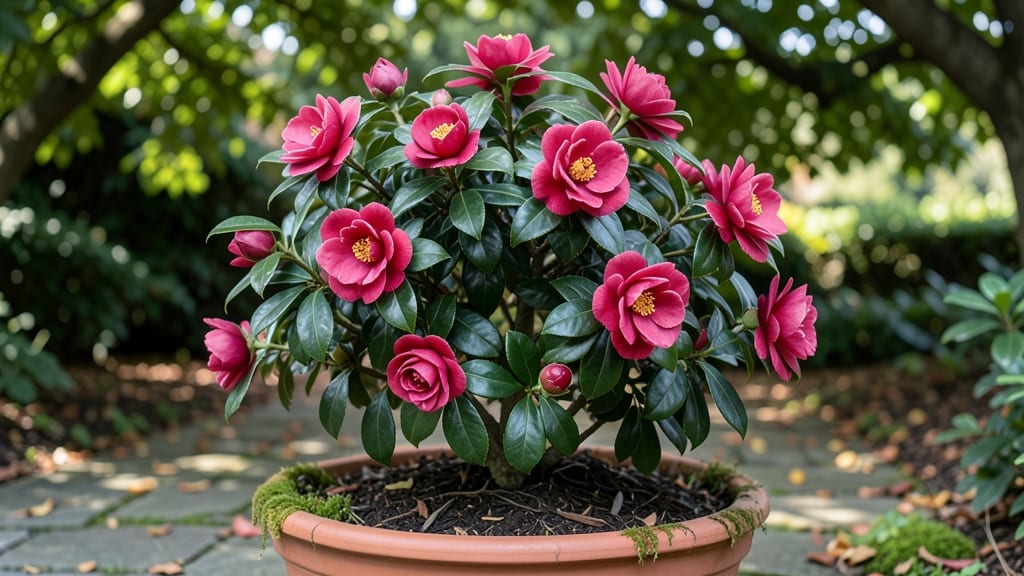
Camellia flowers bloom in seasons that vary dramatically by variety and region—some burst into color in late fall, while others wait until spring for their velvety display.
Timing your camellia blooms perfectly means waking up to a garden bursting with velvety petals—if you know the exact months they’ll shine brightest in your region.
Whether you’re in the humid South or the milder Pacific Northwest, the difference between a sparse few blooms and a showstopping display often comes down to understanding your USDA Zone and the type of camellia you’re growing.
Most gardeners focus on the two main blooming windows: winter/spring for Camellia japonica varieties and late fall/early winter for Camellia sasanqua. But even within those categories, a few degrees or a shift in sunlight can push blooms earlier or later.
In Zone 7b, for example, you might see sasanqua varieties lighting up as early as October, while japonica types wait until February or March.
Here’s how to align your care routine with nature’s schedule: from pruning in late summer to adjusting fertilizer in fall, small tweaks can turn a handful of blooms into a season-long spectacle. Let’s break down the exact months for peak beauty—and how to keep those flowers coming.
Camellia blooming season by USDA Zone: exact months for peak flowering
Camellias are famous for their velvety blooms that transform gardens into winter wonderlands—or springtime showstoppers, depending on the variety. But the exact timing of their peak flowering varies dramatically by USDA zone and even region.
In Zone 7, you might see early blooms in November, while Zone 10 gardeners enjoy camellias year-round. Understanding these differences helps you choose the right varieties and plan your garden for maximum impact.
Most camellias fall into two broad categories: winter-blooming (primarily Camellia sasanqua) and spring-blooming (Camellia japonica). Winter types thrive in milder climates like Zones 8-10, often flowering from October through February. Spring-bloomers, however, prefer Zones 7-9 and typically burst into color from March to May.
Even within these zones, regional microclimates—like the Pacific Northwest’s cooler, wetter winters or the Southern U.S.’s warmer, drier conditions—can shift blooming windows by weeks.
The summary table below breaks down the peak blooming months for each zone, including early, mid, and late-season varieties. Use this as your gardening calendar to time plantings, pruning, and even holiday decorating!
In USDA Zone 7, where winters are colder, Camellia sasanqua varieties like 'Bonanza' or 'Yuletide' often bloom as early as late November, making them perfect for holiday gardens.
These winter-bloomers thrive on cooler temperatures and moisture-rich air, which is why they shine in the Pacific Northwest. Meanwhile, Camellia japonica varieties such as 'Desire' or 'Elegans' wait until March or April to burst into color, aligning with spring’s arrival.
Moving to Zone 8, the blooming season stretches longer. Winter types like 'Kiri Shizuka' may start as early as October and continue through January, while spring varieties like 'Spring’s Promise' bloom from February to April.
The Southern U.S., particularly in Zone 9, experiences even more overlap. Here, Camellia sasanqua can bloom from September to February, and Camellia japonica varieties may start as early as January, creating a near-continuous display of blooms.
In the warmest Zones 10a-10b, camellias defy seasonal norms entirely. Winter types like 'Nobility' may bloom from August to March, while spring varieties like 'Crimson King' often flower from December to April.
This extended season is ideal for year-round interest, but it also means gardeners must pay extra attention to watering and pruning to maintain plant health during hotter months.
Regional variations further refine these timelines. For example, the Pacific Northwest’s cooler, wetter winters often push winter-blooming camellias to peak in November or December, while the Southern U.S.’s warmer winters may delay some varieties until January or February.
Even within a single zone, elevation and microclimates can shift blooming windows by 2-4 weeks. To account for this, I recommend observing local camellia gardens or checking with your cooperative extension service for hyper-local insights.
For garden
How to extend camellia blooms: pro tips for longer, healthier flowering
Your camellia’s blooming season doesn’t have to be a fleeting highlight—with the right care, you can stretch those velvety petals into a month-long spectacle. The key lies in understanding how pruning timing, fertilizer schedules, and watering techniques interact with your local climate.
In my Zone 7b garden, I’ve learned that a few strategic adjustments can turn a single burst of color into a gradual, breathtaking progression.
First, let’s address the biggest misconception: camellias bloom best when they’re stressed just enough. Too much water or fertilizer can lead to lush foliage but fewer flowers. Instead, we’ll focus on creating the perfect balance—supporting their natural rhythms while giving them just enough encouragement to keep producing buds.
Start by mastering these foundational practices tailored to your USDA Zone and camellia variety.
🌸 Camellia Blooming Season Hack
The 6-week rule: Begin your fall fertilizer and light pruning in early September to set buds for a winter/spring show. For sasanqua varieties, repeat in late July to extend their fall blooming window by 3-4 weeks.
Let’s start with pruning, which most gardeners get wrong. The ideal time is right after your camellia finishes blooming—typically late spring for japonica types and early spring for sasanqua. I always use clean, sharp shears and remove no more than 1/3 of the plant’s growth.
This encourages dense branching, which translates to more flower buds next season. Avoid heavy pruning in fall, as this can delay or reduce blooming.
Next, let’s talk fertilizer, where timing is everything. In my experience, the critical months are September and October for a winter/spring display. Use an acid-based fertilizer (8-3-6 NPK) and apply it in early morning to avoid leaf burn.
For sasanqua varieties, a second light feeding in late July can push blooms into early fall. Remember: less is more—over-fertilizing leads to weak buds that drop prematurely.
Watering deserves its own spotlight. Camellias hate wet feet but need consistent moisture. I water deeply once a week in summer and reduce to bi-weekly in winter.
The key is to soak the root zone (about 1500-2000ml per plant) and let the top inch of soil dry between waterings. Mulching with pine bark helps maintain moisture while keeping roots cool—a must for Zone 8+ gardens where summer heat can stress plants.
Don’t overlook light exposure, which directly impacts bloom duration. While camellias thrive in partial shade, they need at least 4-6 hours of morning sun to set buds properly.
In my garden, I’ve noticed that japonica varieties in full afternoon shade produce 20% fewer blooms than those with morning sun. If your camellia is in a low-light spot, consider supplementing with a grow light for 2-3 hours daily during bud formation.
Finally, watch for pests and diseases that can sabotage your blooms. Scale insects and camellia leaf gall are common culprits that weaken plants. I treat my camellias with neem oil in early spring and monitor for aphids during bud development.
Healthy foliage means more energy for flower production, so stay vigilant—those tiny pests can derail your entire blooming season.