
Flowers
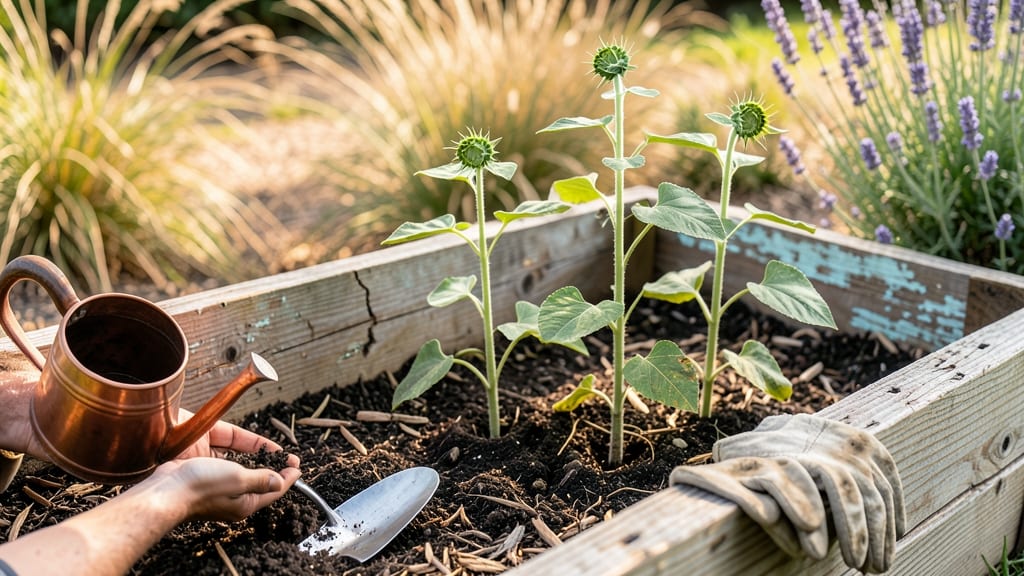
Planting sunflowers in July is possible—with the right variety and care, they can still thrive and bloom before frost 🌻.
Sunflowers are nature’s showstoppers, but planting them in July can feel risky—will they even bloom before winter? The answer isn’t as simple as ‘yes’ or ‘no,’ but with the right timing, soil prep, and variety selection, you can grow stunning sunflowers this late in the season.
In warmer climates like USDA Zone 6a and beyond, July planting is entirely doable, especially if you choose fast-maturing varieties that reach full height in just 60-75 days. Even in cooler areas, black plastic mulch or row covers can extend the season and give your sunflowers a fighting chance.
Below, I’ll walk you through the best late-season planting tips, from selecting the right seeds to protecting your blooms from early frost. Ready to try?

When and how to plant sunflowers in July for best results
Planting sunflowers in July might seem risky, but with the right approach, you can still grow vibrant blooms before frost. The key lies in soil warmth, fast-maturing varieties, and regional timing.
In cooler climates (USDA Zones 3-6), July planting is a gamble—your sunflowers may not reach full maturity before winter. However, in warmer zones (7-10), July can be an ideal time to extend your blooming season or even harvest seeds.
Sunflowers thrive when soil temperatures stay above 60°F (15°C) for consistent growth. Use a soil thermometer to check—if your soil is cooler, delay planting until late July or early August. In Zone 8+, you can plant as late as mid-July and still enjoy blooms by fall.
Meanwhile, gardeners in Zones 3-5 should focus on fast varieties that mature in 60-70 days.
To maximize success, prepare your soil with compost or aged manure to boost nutrients. Sunflowers are heavy feeders, and late-season planting means less time to recover from nutrient deficiencies. A balanced fertilizer (10-10-10) applied at planting can give your sunflowers the growth boost they need to reach maturity quickly.
Here’s how your planting success compares across different regions and methods:
| Region (USDA Zone) | Best Planting Window | Variety Maturity (Days) | Success Likelihood |
|---|---|---|---|
| Zones 3-5 | Late July (after July 20) | 50-60 days | Low (risk of frost) |
| Zones 6-7 | Mid-July (July 10-15) | 60-70 days | Moderate (depends on frost) |
| Zones 8-10 | Early to mid-July (July 1-15) | 70-90 days | High (longer growing season) |
| All Zones (Container) | July 1-31 (with protection) | 50-70 days | Moderate (if moved indoors) |
For containers or raised beds, July planting is far more forgiving. Sunflowers grown in pots can be moved indoors or under a cold frame to extend their season. Choose dwarf varieties like 'Teddy Bear' or 'Moulin Rouge'—they mature faster and handle cooler temperatures better than towering giants.
To give your sunflowers a head start, use black plastic mulch to warm the soil and suppress weeds. This method can add 5-10°F to soil temperatures, creating a microclimate that mimics warmer zones.
Pair this with a drip irrigation system to ensure consistent moisture—sunflowers wilt quickly in dry soil, and late-season drought can stall growth.
If you’re planting in Zone 6 or cooler, prioritize seed production over blooms. Some varieties, like 'Autumn Beauty' or 'Russian Giant,' can produce edible seeds even if the flowers don’t fully open.
Harvest seeds when the back of the head turns brown, and store them in a cool, dry place for next year’s garden.
Finally, watch for pests like squirrels and birds, which are drawn to sunflower seeds. Use bird netting or reflective tape to deter them. In late August, if frost is imminent, harvest immature seed heads—they can be dried indoors and stored for later use.
With these strategies, your July-planted sunflowers can still thrive and reward you with cheerful blooms or bountiful seeds—proof that timing isn’t everything in gardening! 🌻
Top 5 fast-growing sunflower varieties for late planting
If you're planting sunflowers in July, your best bet is selecting fast-maturing varieties that bloom in 60-75 days. These varieties give your plants enough time to grow, flower, and even produce seeds before the first frost.
I’ve handpicked the top five options that thrive in late-season conditions while delivering stunning blooms and impressive heights.
For July planting, prioritize varieties with drought tolerance and compact growth habits to avoid flopping in strong winds. Some of these varieties also produce edible seeds, adding a bonus harvest for your efforts.
Let’s dive into the details of each variety, including their height, color, and where to source seeds.
Autumn Beauty is my top recommendation for late planting due to its 60-70 day maturity and stunning multi-colored blooms. This variety thrives in dry conditions and produces flowers that transition from yellow to red, making it a showstopper in any garden. You can find seeds at Baker Creek Heirloom Seeds or Burpee.
Moulin Rouge is perfect if you want a bold red sunflower that stands out against a summer backdrop. With a maturity of 65-75 days, it’s ideal for July planting in warmer climates. This variety is slightly taller than others on the list but still drought-tolerant. Grab seeds from Territorial Seed Company or Park Seed.
For a compact yet cheerful option, Teddy Bear sunflowers are a fantastic choice. These 3-4 foot tall beauties mature in just 60-70 days and produce large, yellow blooms perfect for cutting.
Their exceptional drought tolerance makes them low-maintenance and ideal for late-season gardens. Source seeds from Seed Savers Exchange or Planters.
If you’re dreaming of giant sunflowers even in a short season, Russian Giant might surprise you. While it takes 70-80 days to mature, it can still reach 8-12 feet tall in ideal conditions.
This variety is best suited for warmer climates (Zone 8+) but offers huge, edible seeds. Check out