
Planting
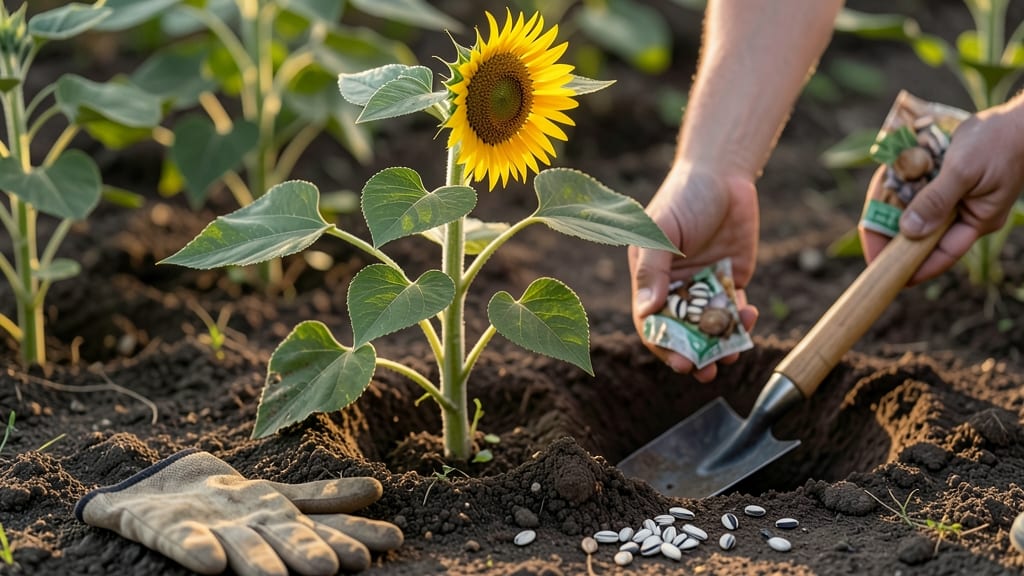
You can plant sunflowers in June 🌻, even if it’s not the traditional window, and the right varieties will reward you with bold blooms before frost.
June might seem too late for sunflowers, but with the right timing and care, you can still grow tall, vibrant blooms—even if they won’t last until winter. Learn how to maximize your sunflower harvest this late in the season while ensuring strong stems and healthy growth.
The key is choosing fast-maturing varieties that thrive in shorter seasons, like ‘Moulin Rouge’ or ‘Autumn Beauty’, which bloom in as few as 50-60 days. These sunflowers can still reach impressive heights while avoiding the risk of late-season wilting.
Below, I’ll walk you through the best late-June planting strategies, from soil prep to watering schedules, so you can enjoy sunflowers that stand strong—even when the days grow shorter.

Best sunflower varieties for late June planting: fast-growing options with strong stems
Planting sunflowers in June can still yield beautiful blooms if you choose the right varieties. The key is selecting fast-maturing types with strong stems that can handle late-season conditions. Many gardeners assume June is too late, but with short-season varieties, you can enjoy sunflowers before frost arrives.
When planting in June, focus on varieties that reach maturity in 60-90 days. These include dwarf, semi-dwarf, and standard-height options designed for late planting. The right choice depends on your climate zone and available growing time before the first frost.
Why stem strength matters in late June planting is critical. Shorter days and cooler temperatures can weaken stems, making them more prone to lodging (falling over). Look for varieties bred for tough stems and disease resistance to ensure your sunflowers stay upright even as they mature quickly.
Here are the top sunflower varieties that thrive when planted in June, offering a mix of heights and colors while delivering fast germination and strong stems:
Dwarf varieties like Teddy Bear are perfect for late June planting because they mature quickly and don’t require much space. Their compact stature makes them ideal for containers or small gardens, and their thick stems prevent lodging even in windy conditions.
For a medium-height option, Moulin Rouge is a standout choice. This variety produces vibrant red blooms with strong stems that support the flower heads well. It’s also disease-resistant, which is crucial for late-season planting when pests are more active.
Autumn Beauty is another excellent pick for June planting. Its multi-colored petals add visual interest to your garden, and it matures in just 70-80 days. The thick stems ensure it stays upright, even as it grows taller than most dwarf varieties.
If you’re dreaming of tall sunflowers, the Russian Giant is a classic choice—but it requires extra support like staking or cages. While it takes longer to mature (80-100 days), it’s worth the effort for its impressive height and bold blooms.
For commercial growers or those who want long-lasting cut flowers, ProCut is a top performer. It’s bred specifically for long vase life and has exceptionally strong stems, making it ideal for late-season harvests.
When selecting your sunflower variety for June planting, consider your garden space and
Step-by-step guide: how to plant sunflowers in June for maximum success
June planting might feel like a gamble, but with the right approach, your sunflowers can still thrive—even if they bloom later in the season. The key lies in fast-maturing varieties, proper soil prep, and strategic care to compensate for the shortened growing window.
Let’s break it down into clear, actionable steps to ensure your sunflowers grow tall, sturdy, and vibrant despite the late start.
Sunflowers planted in June won’t have the luxury of a full summer to mature, so choosing the right variety is your first priority. Opt for dwarf or semi-dwarf types like ‘Moulin Rouge’ (3-4 ft) or ‘Teddy Bear’ (1-3 ft), which mature in 60-70 days.
These varieties are more forgiving of late planting and still produce stunning blooms. Avoid tall, standard varieties like ‘Russian Giant,’ as they require more time to establish strong stems.
🌱 Step-by-Step June Planting Guide for Sunflowers
-
Step 1: Test and Amend Your Soil
Sunflowers thrive in well-draining soil with a pH of 6.0-7.0. Use a soil test kit to check your garden bed. If your soil is heavy clay or sandy, mix in 2-3 inches of compost or aged manure to improve fertility and drainage. Avoid fresh manure, as it can burn young seedlings. -
Step 2: Choose the Sunniest Spot
Sunflowers demand full sun (6+ hours daily). Select a location with unobstructed sunlight from morning until at least mid-afternoon. If your yard has partial shade, prioritize the sunniest area or consider container planting near a south-facing wall. -
Step 3: Plant Seeds at the Right Depth and Spacing
Sow seeds 1 inch deep and 6 inches apart in rows spaced 18-24 inches apart. For June planting, slightly increase spacing to 8-10 inches to give roots room to establish before cooler weather arrives. Plant 2-3 seeds per hole and thin to the strongest seedling once they’re 4 inches tall. -
Step 4: Water Deeply and Consistently
Keep soil moist but not soggy during germination (first 2 weeks). Water deeply in the morning to encourage strong root growth. Once seedlings emerge, reduce frequency to every 5-7 days, allowing the top inch of soil to dry between waterings. Avoid overhead watering to prevent fungal diseases like powdery mildew. -
Step 5: Add Support for Tall Varieties
If planting semi-dwarf or taller varieties, install stakes or cages at planting time. Use bamboo stakes (3-4 ft tall) or wire cages to prevent stems from bending under their own weight. Tie stems loosely with soft plant ties every 2-3 weeks as they grow. -
Step 6: Monitor for Pests and Diseases
June-planted sunflowers are vulnerable to aphids, spider mites, and powdery mildew. Inspect leaves weekly for signs of pests or white fungal growth. Spray affected areas with neem oil or a soapy water solution (1 tsp mild soap per quart of water) to deter infestations. -
Step 7: Harvest Before Frost
Watch for frost warnings in your area. Harvest seed heads when the back of the flower turns yellow-brown and seeds rattle when shaken. Cut stems and hang them in a dry, dark place for 1-2 weeks to fully dry. Store seeds in a paper bag in a cool, dry spot for next year’s planting.
One common pitfall for June planting is overcrowding, which weakens stems and invites diseases. Avoid the urge to plant seeds too closely together—give them space to breathe and grow. Another mistake is skipping soil amendments in heavy or poor-quality soil.
Even a small boost of compost can make the difference between a floppy, weak stem and a tall, sturdy plant that stands up to late-season winds.
With these steps, your June-planted sunflowers will reward you with bold blooms and strong stems, even if they don’t last until winter. Remember, the goal isn’t to outdo spring plantings but to maximize what you can grow in the time you have. Happy planting! 🌻