
Plants
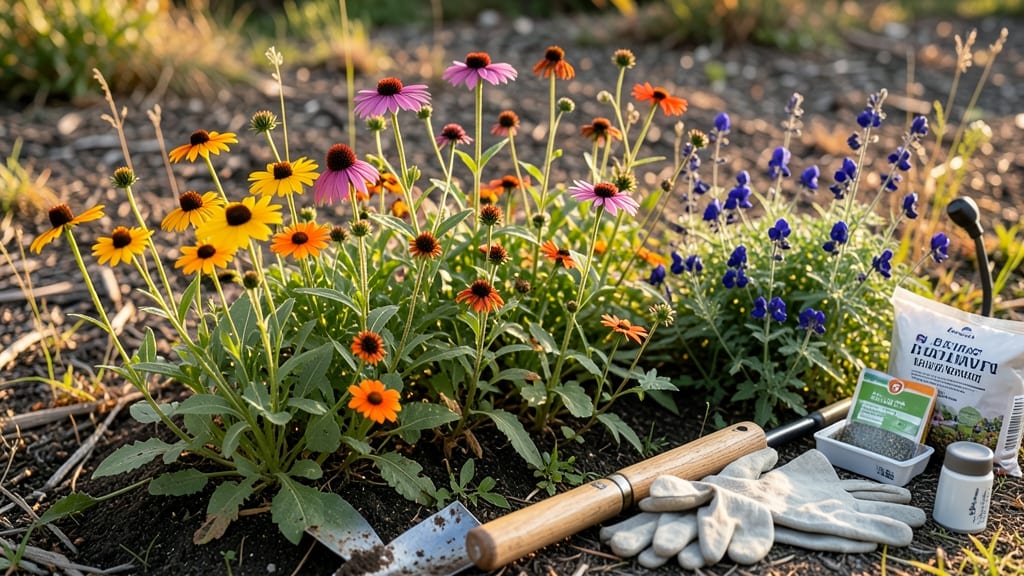
Planting wildflower seeds in Zone 7 at the right time 🌼 is the key to lush, long-lasting blooms that attract butterflies and hummingbirds all season.
Miss that window, and you’re left with patchy growth or seeds that never sprout—something I’ve seen too many gardeners struggle with. The secret? Timing matters more than most beginners realize, and the best months for Zone 7 aren’t what you might expect.
In this guide, I’ll break down the exact planting windows for spring and fall, plus how to prep your soil and pick the right wildflower mix for your microclimate. Whether you’re in 7a or 7b, these tips will help you avoid common mistakes and get the meadow you’ve always wanted.
You’ll learn how to extend your bloom season, which varieties thrive in your specific corner of Zone 7, and even how to handle those tricky late frosts. Let’s turn your yard into a pollinator paradise—starting with the right planting schedule.
Optimal wildflower planting months in Zone 7 for year-round blooms
Planting wildflowers in Zone 7 requires precise timing to ensure strong germination and year-round blooms. Unlike annuals, perennials need 60-90 days to establish roots before winter, while annuals thrive with spring or fall sowing.
The key? Aligning seed planting with soil temperatures and rainfall patterns—too early risks frost damage, and too late delays blooms.
Zone 7 spans 7a (0-5°F) to 7b (5-10°F), with last frost dates ranging from mid-March to early April and first frost from late October to mid-November. This variability means staggered plantings are your secret weapon for continuous color.
For example, sowing black-eyed Susans in March and coneflowers in August ensures blooms from early summer to frost.
Before planting, prepare your soil by removing weeds and loosening compacted areas. Wildflowers thrive in well-draining soil with a pH between 6.0 and 7.5. Avoid heavy clay or sandy soils unless amended with compost or organic matter.
A light raking after sowing ensures seed-to-soil contact, which is critical for germination rates over 80% in Zone 7.
| Planting Window | Ideal Soil Temp (°F) | Best Species | Bloom Season | Key Tip |
|---|---|---|---|---|
| Early Spring (March-April) | 45-55°F | Coreopsis, Phlox, Lupine | Late Spring-Summer | Water lightly daily until established. |
| Late Summer (August-September) | 60-70°F | Coneflowers, Black-Eyed Susans, Aster | Fall-Winter | Avoid planting after first frost. |
| Fall (October-November) | 50-60°F | Goldenrod, Sedum, Milkweed | Early Spring | Use winter mulch for protection. |
Spring planting in March or April gives wildflowers 3-4 months to establish roots before summer heat. Focus on cool-season species like lupine or phlox, which germinate best at 45-55°F soil temperatures.
Water daily for 2 weeks to prevent seed desiccation, then taper to weekly deep waterings. Mulch lightly with straw to retain moisture and suppress weeds.
For summer-long blooms, plant annuals like zinnias in late May after soil warms to 60°F. These thrive in hot, dry conditions and self-seed prolifically.
Pair them with perennials like coneflowers for fall interest. In Zone 7b, avoid planting after August 15—seeds may not germinate before frost.
Fall planting in September or early October is ideal for drought-tolerant perennials like sedum or goldenrod. These species benefit from cool soil and winter chilling, which breaks seed dormancy.
Aim to sow 6-8 weeks before first frost—typically mid-October in 7a and late September in 7b. A light mulch protects seeds from winter moisture fluctuations.
Extend your bloom season by staggering plantings every 4-6 weeks. For example:
- March 15: Sow coreopsis for June blooms.
- May 1: Add zinnias for summer color.
- July 15: Plant asters for fall interest.
Microclimates in Zone 7—like coastal humidity vs. inland dryness—affect timing. In humid areas, plant earlier to avoid fungal issues; in dry regions, wait until soil moisture stabilizes. Always test soil moisture by pinching a clump: if it crumbles, it’s dry enough to plant.
Monitor seed packet
How to choose wildflower seed varieties for Zone 7’s climate challenges
Zone 7’s humidity and heatwaves demand smart wildflower choices. Native species like black-eyed Susan and purple coneflower thrive here, while non-natives like cosmos need extra care. The key? Matching moisture needs to your microclimate—drought-tolerant varieties for dry patches, moisture-loving ones for wetter areas.
Understanding Zone 7A/B/C differences is crucial. Cooler Zone 7A (e.g., Appalachians) supports perennials like bee balm, while warmer Zone 7B (e.g., Piedmont) handles annuals like zinnia. Pairing natives with non-natives extends your bloom season—think goldenrod (fall) with salvia (summer).
Climate challenges like summer heat (90°F+) and humid winters (50%+ moisture) dictate your selections. Drought-tolerant wild bergamot survives dry spells, while blue flag iris prefers wetter soils. Always check seed packets for heat tolerance ratings—aim for 90°F+ survival.
Native vs. Non-Native Wildflowers in Zone 7
| Type | Pros | Cons |
|---|---|---|
| Native Wildflowers | Supports local pollinators; low maintenance; drought-resistant | Limited color variety; slower establishment |
| Non-Native Wildflowers | Vibrant colors; faster blooming; wider selection | May require more water; less pollinator-friendly |
For year-round color, stagger plantings: spring bloomers like lupine (March-April) pair with summer favorites (black-eyed Susan) and fall stars (asters). Avoid moisture-loving species in Zone 7B’s dry summers—they’ll wilt faster than annuals.
Test soil moisture before selecting. Stick your finger 2 inches deep—if dry, choose drought-tolerant seeds like yarrow. If damp, opt for moisture-loving varieties like swamp milkweed. Survival rates drop by 30% when mismatched to soil conditions.
Pro tip: Scan seed packets for USDA Zone 7 labels and heat tolerance icons. Prioritize perennials for long-term savings—they return yearly, while annuals need replanting. Native mixes often include built-in drought resistance, making them Zone 7’s safest bet.