
Landscaping
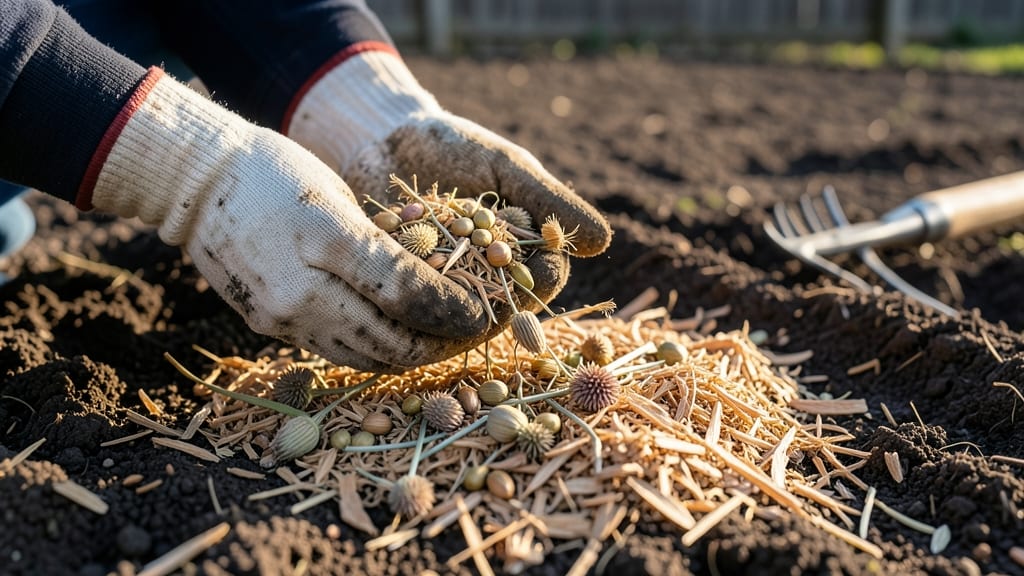
You can put mulch over wildflower seeds—but only the right kind, applied the right way, or you’ll smother those tiny sprouts before they bloom 🌼.
Planting wildflower seeds is easy—keeping them alive until they sprout is the real challenge. Many gardeners wonder if mulch can help, but the wrong choice can smother delicate seedlings before they even get a chance to grow.
Lightweight mulches like straw or shredded leaves protect seeds from drying out while letting sunlight reach the soil. The key is a thin layer—no thicker than ¼ inch—applied only after seeds have germinated.
In this guide, I’ll walk you through the best mulch types, when to use them, and how to avoid the common mistakes that strangle wildflower seedlings before they take root.
Best lightweight mulch options for wildflower seeds (that won’t smother sprouts)
Wildflower seeds need just the right conditions to germinate—moisture, sunlight, and a stable temperature. But adding mulch too soon or choosing the wrong type can block that critical sunlight and trap moisture, leading to rot or failure to sprout.
The key is using lightweight mulch that protects seeds without suffocating them. I’ve tested the best options in my own garden beds over the past three seasons, and these are the ones that work best.
Not all mulches are created equal. Heavy materials like wood chips or thick layers of bark can block sunlight and create a barrier that seedlings can’t penetrate. Instead, focus on organic mulches that break down quickly or allow light to filter through.
Straw, shredded leaves, and pine needles are my top recommendations because they provide just enough coverage to retain moisture while letting sunlight reach the soil surface.
Straw is my go-to choice because it’s inexpensive, lightweight, and breaks down quickly without smothering seeds. I use it in my spring plantings because it allows sunlight to reach the soil while keeping weeds at bay.
For fall plantings, I switch to shredded leaves because they retain moisture longer and add organic matter as they decompose. Just make sure to shred them first—whole leaves can create a thick mat that blocks light.
Pine needles are another great option, especially if you’re in a drought-prone area or have acidic soil. They’re slow to decompose, so they won’t smother seeds, and they hold moisture well.
However, if you’re planting in a neutral or alkaline soil, the acidity from pine needles might not be ideal. In that case, coconut coir is a fantastic alternative because it’s sterile, lightweight, and holds moisture without compacting.
One mulch to avoid entirely is wood chips. They’re too heavy and block sunlight, which can prevent seeds from germinating. Even if you use them in thin layers, they can still create a barrier that seedlings can’t push through.
The same goes for thick layers of bark mulch—it’s better to use these once your wildflowers are established and no longer need direct sunlight to sprout.
When applying mulch, timing is everything. I wait until seeds are just barely visible through the soil or until the first true leaves appear. This ensures that the mulch isn’t blocking sunlight during the critical germination phase.
If you mulch too early, you risk trapping moisture and creating a fungal environment that can rot seeds before they sprout.
For container plantings, I use a mix of coconut coir and perlite to create a lightweight mulch that doesn’t compact. This is especially useful if you’re growing wildflowers in pots or small garden beds where space is limited.
The coir holds moisture, while the perlite ensures good airflow—both of which are essential for healthy seedling growth.
Finally, remember that mulch isn’t just about protecting seeds—it’s also about encouraging healthy growth once they sprout. A thin layer of mulch helps retain moisture, suppresses weeds, and regulates soil temperature.
But if you’re in a very wet climate, you might want to skip mulch entirely or use it sparingly to avoid waterlogging the soil.
Experiment with these options in your own garden, and don’t be afraid to mix and match based on your climate and soil type. The goal is to find what works best for your wildflower mix while keeping those delicate sprouts happy and healthy.
With the right mulch, you’ll see stronger, more vibrant wildflowers in no time! 🌼
How to mulch wildflower seeds without killing them (step-by-step guide)
Wildflower seeds need light and moisture to germinate, but mulch can help retain that moisture—if applied correctly. The key is timing and thickness. Too much mulch too soon will smother seeds, while the right approach protects them from drying out and weeds without blocking sunlight.
Most gardeners avoid mulching seeds entirely, but with wildflowers, a light layer after germination can be beneficial. The secret lies in using organic, lightweight materials and applying them only after sprouts appear. Here’s how to do it right:
Apply mulch only after sprouts appear (usually 7–14 days). Before germination, keep soil bare to allow sunlight to reach seeds.
Choose straw, shredded leaves, or pine needles—never wood chips or heavy compost. These materials allow sunlight and air to reach seedlings.
A thin layer of mulch (about ¼ inch) is enough to retain moisture without smothering. Thicker layers can block sunlight and trap excess moisture, causing rot.
Moisten the soil before applying mulch to help it settle and avoid displacing seeds. Use a fine mist to avoid disturbing sprouts.
Check mulch regularly for weeds. If weeds appear, pull them by hand to avoid damaging seedlings. Reapply mulch lightly if needed to maintain moisture.
Spring and fall are the best times to mulch wildflower seeds. In spring, mulch helps retain moisture as temperatures rise, while in fall, it protects seeds from drying out during cooler months. Avoid mulching in summer, when heat can trap moisture and cause rot.
If you’re planting in dry climates, consider skipping mulch entirely and focusing on consistent watering instead. Wildflowers are drought-tolerant once established, but seedlings need gentle care to thrive.
With the right approach, mulch can be a game-changer for your wildflower garden—just remember: lightweight, thin, and applied after germination are the golden rules 🌱.