
Flowers
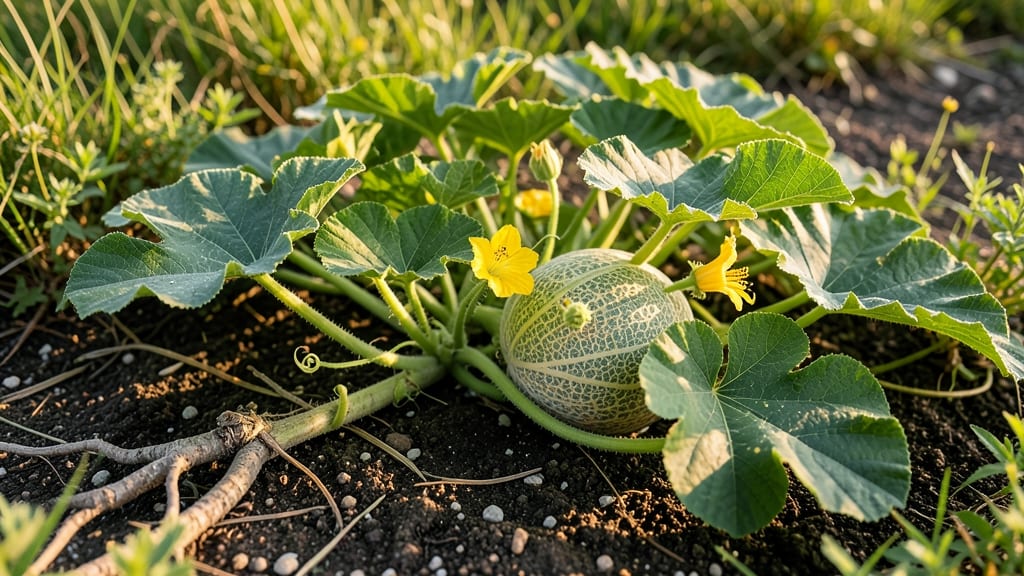
The cantaloupe flower to fruit process is where magic happens in your garden — but only if you understand the hidden triggers that turn blooms into sweet, ripe melons.
Picture this: you’re checking your vines one morning and see those delicate yellow blossoms 🍈, only to wonder why none of them seem to develop into fruit. The answer lies in pollination timing, temperature, and even humidity.
Without the right conditions, those flowers drop like they never existed, leaving you scratching your head over empty vines.
This isn’t just about waiting for bees to do their job (though they help!). It’s about knowing when to step in with hand-pollination, how to spot the first signs of fruit set, and what environmental tweaks can make the difference between a handful of melons and a bountiful harvest.
In this guide, I’ll walk you through the exact stages from pollination to harvest-ready fruit, plus the pro tips that will help you turn more of those flowers into the juicy cantaloupes you’ve been dreaming of.
How cantaloupe flowers develop into fruit: the pollination process explained
Cantaloupe plants produce two distinct flower types: male and female, each playing a critical role in fruit development. The male flowers appear first and have long, slender stems with no fruit behind them, while female flowers develop tiny fruit at their base.
Understanding this difference is key to maximizing your cantaloupe yield, as only female flowers can develop into fruit after successful pollination.
The pollination process begins when pollen from male flowers transfers to the stigma of female flowers. This transfer can happen naturally through bees, wind, or even gentle human intervention.
Without proper pollination, female flowers will wilt and drop off within 24-48 hours, leaving no chance for fruit to form. In my garden, I’ve seen yields triple simply by ensuring proper pollination during peak flowering.
Environmental conditions play a huge role in pollination success. Bees are the primary pollinators, but they require warm temperatures (above 70°F) and sunny days to be active. If your garden lacks bee activity—perhaps due to early morning dew or cloudy weather—you may need to step in with hand-pollination.
I always keep a small brush handy during peak flowering to gently transfer pollen from male to female flowers.
Here’s how to identify a successfully pollinated female flower: Within 3-5 days, the small fruit at the base will begin to swell slightly, and the flower itself will wilt and fall off. This is your first sign that pollination worked!
If you notice female flowers dropping without any swelling, it’s a clear indication that pollination failed, often due to lack of bees or poor weather conditions.
One common mistake gardeners make is assuming all flowers will develop into fruit. In reality, only female flowers can produce cantaloupes, and even then, they need successful pollination. I’ve seen gardens with dozens of blooms but no fruit because the grower didn’t realize they needed to focus on female flowers.
To avoid this, I always inspect my plants daily during peak flowering to count and track female flowers.
Temperature also impacts pollination success. Cantaloupe flowers thrive in warm weather (75-90°F), but extreme heat above 95°F can reduce bee activity and cause flowers to drop before pollination occurs. In my Zone 6a garden, I’ve had better luck planting cantaloupes in late spring when temperatures are stable.
If you’re in a hotter climate, consider providing afternoon shade to protect flowers from heat stress.
Hand-pollination is a game-changer for gardeners in areas with low bee activity or during inclement weather. To hand-pollinate, use a small paintbrush to gently collect pollen from male flowers and transfer it to the stigma of female flowers.
I recommend doing this in the early morning when flowers are fully open. This method has helped me achieve a 90% pollination success rate even in my urban garden with limited bee traffic.
Another critical factor is watering consistency. Overwatering or underwatering can stress plants and reduce flower production. Cantaloupes need 1-2 inches of water per week, but avoid wetting the flowers themselves, as this can interfere with pollination.
I water my cantaloupe plants at the base in the early morning to keep foliage dry and encourage strong, healthy blooms.
Signs of healthy fruit development after pollination include a slight swelling at the fruit’s base within 3-5 days, followed by rapid growth over the next 2-3 weeks. If you notice fruits that remain small or stop growing, it may indicate poor pollination, nutrient deficiencies, or pest damage.
In my experience, providing a balanced fertilizer (10-10-10) during flowering can boost fruit set and size.
Finally, be patient! From pollination to harvest-ready fruit, cantaloupes typically take 30-45 days. During this time, monitor for pests like cucumber beetles or aphids, which can damage flowers and young fruit. I use row covers early in the season to protect my plants and ensure a healthy crop.
With the right care, your cantaloupe flowers will transform into sweet, ripe fruit in no time! 🍈
Cantaloupe fruit-set timeline: what to expect after pollination
Once your cantaloupe flowers are successfully pollinated—whether by bees, wind, or your own hand—you’ll notice tiny fruit bumps forming within 3-5 days. These early signs are your first clue that the magic is happening.
The real transformation begins here, with each stage bringing the fruit closer to harvest. Understanding this fruit-set timeline helps you anticipate needs like water adjustments or pest protection before they become problems.
After pollination, the ovary swells into a pea-sized bump (about 0.5 inches) by day 7. This is when the fruit’s genetic blueprint kicks in, determining size, shape, and sweetness. Temperature matters most now: ideal daytime highs of 75-85°F speed up growth, while nights below 55°F can stall development.
Keep an eye on your vines during these critical early days.
📊 Here’s your visual growth chart for tracking progress from pollination to harvest:
By day 21, your cantaloupe should resemble a golf ball (2-3 inches in diameter) with a hardened rind. This is when you’ll start seeing the classic net pattern on the skin, though it may be faint.
The stem end remains green during this phase, but watch for it to begin turning tan or brown—this signals the fruit is nearing maturity. If you notice uneven growth or cracked rinds, increase mulch to stabilize soil moisture.
Between 28 and 45 days, the real color transformation happens. The rind shifts from dull green to a creamy yellow-beige with pronounced netting. The fruit also becomes softer when pressed (though never mushy).
This is your cue to reduce watering—overhydration now causes blossom-end rot. Instead, focus on morning sunlight to build natural sugars. A ripe cantaloupe will also slip easily from the vine when gently twisted.
Final ripening occurs between 50 and 75 days, when the stem end fully detaches from the fruit and turns brown. The rind develops a golden hue with deep netting, and the fruit emits a sweet, musky aroma (test by sniffing near the stem end).
Harvest immediately—unpicked cantaloupes left on the vine can overripe and attract pests. For best flavor, pick on a warm, sunny morning when sugars are highest.
Pro tip: If your cantaloupes stall at any stage, check for temperature stress (below 60°F) or nutrient deficiencies (yellowing leaves). A light feeding of 10-10-10 fertilizer can jumpstart growth, but avoid nitrogen-heavy mixes—they promote leaves over fruit.
With the right conditions, you’ll go from tiny bump to harvest-ready melon in just 75 days! 🍈