
Planting
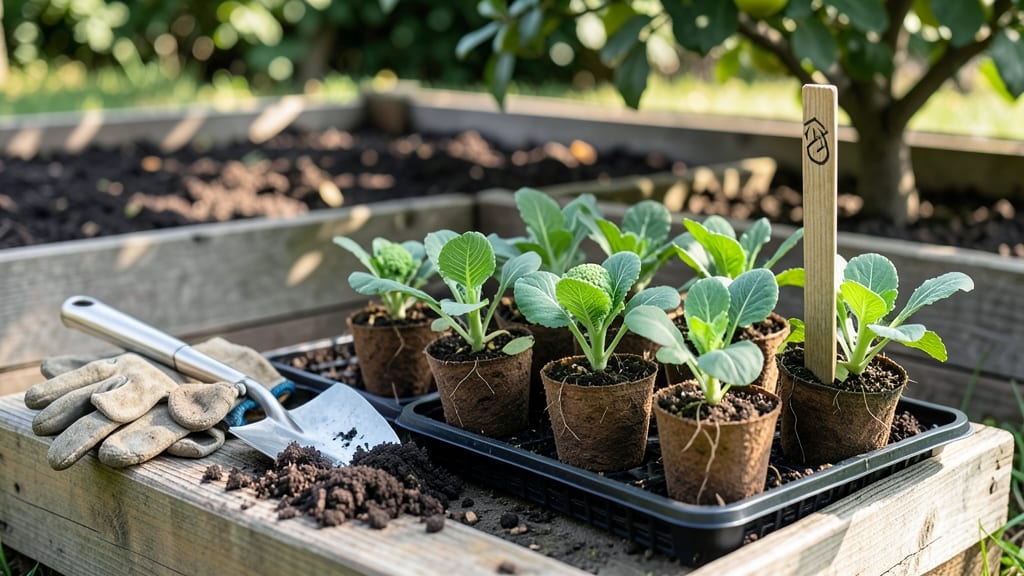
Timing your cauliflower planting right is the difference between a golden harvest and a sad, bolted mess—because this cool-weather crop hates heat and frost both.
Picture this: you’ve spent weeks nurturing seedlings, only for a late frost to turn your 🥬 into a crispy snack. Or worse, you plant too late and watch your garden bake into oblivion before the heads even form.
The key? Planting in the right window—not just by calendar, but by your USDA zone and local microclimate.
Most gardeners in Zone 6a (like me!) swear by March to April for spring plantings, but that’s just the start. Whether you’re direct-sowing seeds or transplanting starts, soil temperature, frost dates, and even your variety play a role.
Get it wrong, and you’ll end up with stunted heads or bitter-tasting curds.
In this guide, I’ll break down the exact months to plant by zone, how to stagger your crop for a continuous harvest, and the 5 timing mistakes that sabotage even the most well-meaning gardeners. No more guesswork—just dense, flavorful cauliflower on your table.

Best cauliflower planting months by USDA Zone (with frost risk alerts)
Timing your cauliflower planting correctly means the difference between a bumper crop of dense curds and wasted effort. Cauliflower thrives in cool weather but wilts under heat stress—so your USDA zone dictates everything from planting dates to variety choices.
In warmer zones, you might plant twice, while colder regions need early starts. Let’s break it down by zone to avoid frost damage and maximize your harvest.
Cauliflower is a cool-season crop that hates extremes. In USDA zones 3-5, you’ll plant early spring or late summer for fall harvests. Zones 6-10 can extend planting into early fall, but watch for heat sensitivity.
The key? Plant when soil temps are 45-85°F—too hot or cold, and your seedlings will struggle. I’ll show you exact months by zone, plus frost risk alerts to protect your investment.
Here’s the golden rule: Direct sow in cooler zones (3-5) or transplant seedlings in warmer zones (6-10) for faster, more reliable growth. Seedlings need 4-6 weeks of hardening before going outdoors, so plan ahead.
For example, in Zone 7, I start transplants indoors in February and move them out by March 15—just before the last frost date. Miss this window, and you risk frost damage or bolting.
| USDA Zone | Best Planting Months | Frost Risk Alert | Method | Variety Tip |
|---|---|---|---|---|
| Zones 3-4 | Mid-April to early June | Last frost: May 10; avoid planting after June 1 | Direct sow or transplant hardened seedlings | Choose early varieties like 'Snowball Y Improved' |
| Zones 5-6 | Early March to late May | Last frost: April 15; stop planting after May 20 | Transplant seedlings (start indoors in February) | Try mid-season types like 'Purple of Sicily' |
| Zones 7-8 | February to early July | Last frost: March 1; avoid heat after July 15 | Transplant or direct sow in fall (August-September) for winter harvest | Heat-tolerant 'Romanesco' works well |
| Zones 9-10 | September to November | First frost: December 1; plant 8-10 weeks before frost | Direct sow in fall only; use shade cloth in summer | Opt for 'Graffiti' (colorful, heat-resistant) |
In Zones 3-4, where winters are harsh, focus on early spring planting (mid-April to early June). Use row covers to protect young plants from late frosts, which can kill seedlings in 24 hours.
I’ve lost entire batches when a 28°F night hit right after transplanting—so plan for frost protection like black plastic mulch or cloches. For fall harvests, try late-summer sowings in August, but only in zones where frost arrives after October 15.
Zones 5-6 offer the most flexibility. You can plant twice a year: once in early spring (March) and again in late summer (August). The trick? Use shade cloth in summer to prevent bolting.
I once planted 'Purple of Sicily' in July without shade, and the heads turned bitter and split open—a $20 lesson! For spring, aim for 4-6 weeks before last frost, and for fall, calculate 100 days to harvest before your first frost.
Warmer zones (7-10) need a different approach. In Zone 9, I plant only in fall (September-November) to avoid summer heat. Cauliflower bolts when temps exceed 80°F, so I use 50% shade cloth and water deeply twice daily.
For Zone 10, consider winter planting—yes, really! Plant in December for a spring harvest before summer heat arrives. Varieties like 'Graffiti' handle the heat better than traditional white types.
Don’t overlook soil temperature—it’s just as critical as air temperature. Use a soil thermometer to confirm 50-65°F before planting. Cold soil slows germination, while soil over 70°F causes seedlings to rot. I once planted in 60°F soil and waited 3 weeks for sprouts.
Patience pays off: warm soil speeds germination to 7-10 days, but cool soil can stretch it to 3 weeks.
Pro
How to stagger plantings for continuous cauliflower harvests
Staggering your cauliflower plantings is the secret to enjoying fresh, dense curds all season long. Instead of a single harvest rush, you’ll get a steady supply by spacing out planting intervals every 2-3 weeks. This method works especially well in cool-season climates where heat can stress plants.
For continuous harvests, focus on two key strategies: succession planting and variety rotation. Early varieties like 'Snowball Y Improved' mature faster (60-70 days), while late varieties like 'Purple of Sicily' take 90-100 days. By planting a mix, you’ll extend your harvest window from early summer to late fall.
🌱 Step-by-Step Succession Planting Guide
- 📅 Start 4-6 weeks before last frost (e.g., early March in Zone 6). Use transplants for faster results.
- 🌱 Plant every 2-3 weeks until 8-10 weeks before your first fall frost. Example: March 1, March 15, April 1.
- 🌡️ Avoid summer heat—cauliflower bolts (goes to seed) in temps above 80°F. Use shade cloth if needed.
- 🌿 Rotate varieties to prevent disease. Pair early maturing types with late-season varieties.
- 📏 Space plants 18-24 inches apart in rows 24-36 inches apart to allow airflow and reduce pests.
- 💧 Water deeply after planting and maintain 1-2 inches of moisture weekly. Mulch to retain soil moisture.
- ✂️ Harvest when curds are firm and compact (6-8 inches wide). Cut with 1-2 inches of stem attached.
In short-season zones (3-5), focus on early maturing varieties planted in late spring for a fall harvest. For example, in Zone 4, start transplants in late May for a September-October harvest before frost. Use row covers to extend the season by 2-3 weeks.
For longer growing seasons (7-10), you can plant three successive batches: early spring, late spring, and early fall. In Zone 8, for instance, plant the first batch in February, the second in April, and the third in August for a fall-winter harvest.
Just ensure each batch has 70-100 days to maturity before frost.
Pro tip: Keep a planting calendar to track intervals. Mark your last frost date and count backward from your harvest goal. For example, if you want cauliflower in July, plant a 75-day variety in mid-April.
Adjust for your local microclimate—valleys stay cooler longer, while slopes warm up faster.
By mastering staggered plantings, you’ll turn your garden into a cauliflower powerhouse, ensuring you never run out of this versatile vegetable. Plus, the continuous harvests make meal prep a breeze—no more last-minute grocery store trips! 🥬