
Flowers
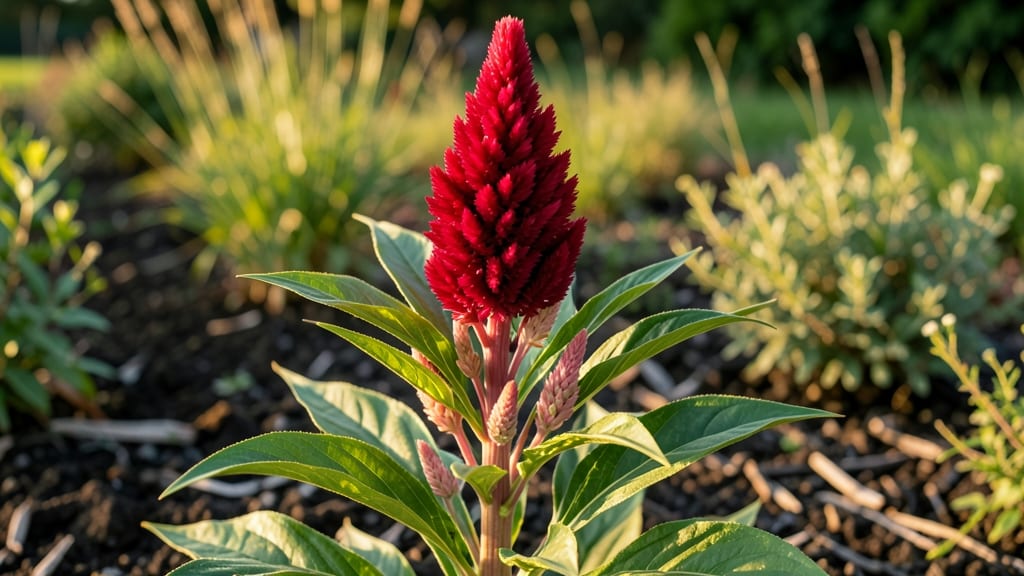
Understanding celosia flower height is the secret to turning your garden into a vibrant, firework-like display—whether you’re aiming for neat borders or bold backdrops.
If you’ve ever planted celosias 🌸 and ended up with floppy stems or towering blooms that overshadow everything else, you’re not alone. The trick lies in choosing the right variety and giving them the care they need to stay the height you want.
From dwarf varieties that stay under 12 inches to tall types reaching nearly 3 feet, celosias offer endless possibilities. The key? Proper spacing, pruning, and soil prep to keep them sturdy and show-stopping.
In this guide, I’ll break down how to pick the perfect celosia for your space, control their height naturally, and keep them blooming all summer long—no guesswork required.

Celosia flower height variations: compact vs towering varieties explained
Celosia flowers are nature’s fireworks, bursting with color in compact or towering forms that can transform any garden space. Whether you’re designing a window box or a backyard border, choosing the right height variety ensures your vision comes to life.
The key lies in understanding how celosia height varies by species and how to use each type effectively.
From dwarf celosias perfect for containers to tall varieties that create dramatic focal points, the differences in mature height can change your entire garden layout. For example, Celosia argentea cristata stays between 12–18 inches, while Celosia spicata can soar to 24–48 inches.
Let’s break down these variations so you can pick the perfect fit for your space.
🌱 Why height matters: Compact celosias thrive in small containers or front-of-bed plantings, while taller varieties need back-of-bed placement or support stakes to prevent flopping. Understanding these distinctions helps you avoid common mistakes like overcrowding or underutilizing vertical space.
| Variety Type | Height Range | Growth Habit | Ideal Uses | Spacing Needs |
|---|---|---|---|---|
| Dwarf Celosia (e.g., Celosia argentea cristata 'Tom Thumb') | 6–12 inches | Compact, bushy, mounding | Containers, window boxes, fairy gardens, front borders | 6–12 inches apart |
| Medium Celosia (e.g., Celosia argentea cristata 'Double Click') | 12–18 inches | Upright but manageable, slightly spreading | Mixed borders, hanging baskets, patio pots, cut flowers | 12–18 inches apart |
| Tall Celosia (e.g., Celosia spicata 'New Look') | 24–48 inches | Spiky, upright, can flop without support | Back-of-bed plantings, cut flower arrangements, tall borders | 18–24 inches apart |
Height ranges are approximate and may vary based on growing conditions and variety.
If you’re working with limited space, dwarf celosias like 'Tom Thumb' are ideal for terrace gardens or balcony planters. Their mounding habit creates a lush, colorful carpet that spills beautifully over edges.
For mid-height drama, varieties like 'Double Click' add structure to mixed borders without overwhelming smaller plants.
The real showstoppers, however, are the tall celosia varieties. Plants like Celosia spicata reach heights of 3–4 feet, making them perfect for back-of-bed plantings or as cut flowers.
Their spiky plumes add texture and height to arrangements, but they require sturdy stems or support stakes to prevent them from bending under their own weight.
For container gardening, mix heights to create visual interest. Place a tall variety in the center of a large pot and surround it with medium or dwarf celosias to fill out the space.
This layering technique works beautifully in 5-gallon containers or hanging baskets, where height variations add depth and dimension.
One common mistake gardeners make is overcrowding taller celosias, which can lead to flopping stems and poor airflow. Always follow the spacing recommendations in the table above to ensure each plant has room to grow upright and strong.
In full sun conditions, proper spacing also reduces competition for nutrients and water.
Pro tip: If you love the look of tall celosias but have limited space, consider pruning them early to encourage bushier growth. Pinching back the top sets of leaves when the plant is young can promote a more compact habit, making it suitable for smaller gardens or containers.
Finally, remember that celosia height isn’t just about aesthetics—it’s also about function. Taller varieties can obscure views or block pathways if placed incorrectly, while dwarf varieties might get lost in a border if surrounded by taller plants.
Plan your layout carefully, and your celosias will shine as the star of the show.
How to control celosia height: pruning, spacing, and soil tips
Celosias love to grow tall, but their height can quickly become a problem if they flop over or overshadow smaller plants. The good news? With the right techniques, you can easily manage their size—whether you want a compact border or a dramatic focal point.
I’ve found that combining proper spacing, strategic pruning, and soil prep makes all the difference.
Start by choosing the right spacing for your celosia type. Dwarf varieties (like ‘Tom Thumb’) thrive at 6–12 inches apart, while taller types (such as ‘Cockscomb’) need 18–24 inches to avoid crowding. This alone reduces the need for constant pruning and keeps stems sturdy from the start.
Pinch back top growth when plants are 6 inches tall to encourage bushier growth. Repeat every 3–4 weeks to control height and promote more blooms.
Tall celosias need 18–24 inches between plants to prevent flopping. Use stakes or cages for varieties over 2 feet tall to add support.
Mix sandy loam with compost to improve drainage. Poor drainage causes weak stems that struggle to support heavy flower heads.
Remove spent blooms to redirect energy to new growth. This keeps plants compact and flowering longer, especially in hot summer months.
I’ve also noticed that soil type plays a huge role in celosia height. Heavy clay soil can lead to leggy, weak stems, while well-draining sandy loam encourages sturdy growth. If your soil is compacted, mix in perlite or coarse sand to improve aeration and prevent flopping.
For container gardening, choose smaller varieties like ‘Impatient’ (12–18 inches) and use 10-inch pots with drainage holes. Overcrowding in containers will force plants to compete for nutrients, resulting in taller but weaker stems. Always use a lightweight potting mix to keep roots healthy.
Finally, don’t forget that pruning isn’t just for height control—it also boosts blooms. When you prune, always cut just above a leaf node to encourage branching. This creates a fuller plant with more flower heads, making your celosias look even more vibrant in the garden.
With these tips, you’ll have celosias that stay the height you want, whether you’re filling a window box or creating a bold garden statement. Happy pruning! ✂️