
Blooming
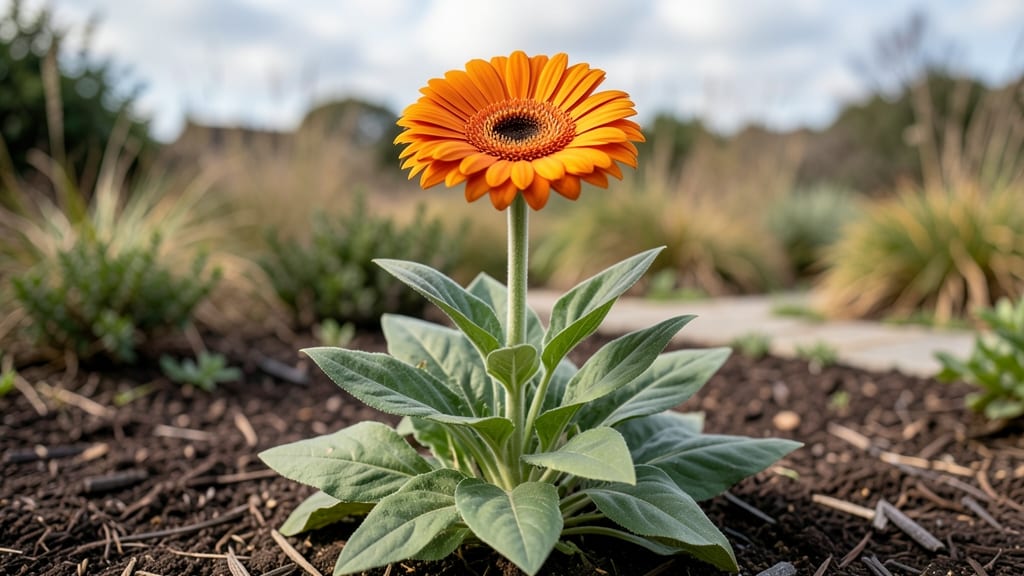
Daisies flower at different times depending on their variety, but most burst into bloom between June and September when given the right conditions 🌼.
Wondering when your daisies will burst into vibrant blooms? Timing is everything in gardening, and daisies—with their cheerful faces and varied varieties—have surprisingly distinct flowering seasons that can surprise even experienced gardeners.
Annual daisies like Gerbera often start as early as May, while perennials like Shasta daisies may wait until July or later. Climate, sunlight, and soil all play a role, so knowing your USDA zone and variety helps you plan for the best blooms.
In this guide, I’ll break down the month-by-month flowering calendar for popular daisies, share simple hacks to extend their blooming season, and reveal common mistakes that delay those cheerful faces.
When do different daisy varieties bloom: a month-by-month guide
Daisies bring joy to gardens with their bright faces, but their flowering times vary wildly depending on the variety. Some bloom in spring, while others shine in summer or even fall. Understanding these seasonal patterns helps you plan your garden for continuous color.
Let’s explore when popular daisy varieties burst into bloom across USDA zones 5-10, so you can enjoy their cheerful faces year-round.
Most daisies thrive in full sun (6+ hours daily) and well-draining soil, but their timing depends on the species. Perennials like Shasta daisies return yearly, while annuals like Gerbera daisies offer seasonal bursts of color.
Regional climate also shifts blooming windows—cooler zones may see later starts, while warmer zones enjoy extended seasons. Let’s break it down by month and variety for optimal planting and bloom timing.
Spring-blooming daisies like Painted Daisies kick off the season in May, offering early color when few other flowers are in bloom. These varieties are perfect for spring garden beds or container plantings.
In USDA zone 5, expect blooms to start slightly later (June) due to cooler temperatures, while zone 10 gardeners can enjoy extended spring blooms into April.
Summer is the peak season for classic daisies like Shasta and Oxeye varieties. Shasta daisies, in particular, dominate from June to September, making them ideal for cut flower arrangements.
To prolong their blooms, deadhead spent flowers regularly—this encourages continuous reblooming throughout the season. In warmer climates (zones 8-10), these daisies may even bloom into early October.
Annual daisies like Gerbera Daisies shine from May to October, offering bold, vibrant colors that brighten summer gardens. These varieties are heat-loving and thrive in containers, making them perfect for patios or balconies.
For longer blooming periods, plant them in partial shade to prevent wilting in extreme heat. In cooler zones (5-7), start seeds indoors in March for earlier blooms.
Fall-blooming daisies like African Daisies extend the season into November, especially in USDA zones 8-10. These tropical-looking flowers thrive in well-draining soil and benefit from regular watering to maintain their lush appearance.
In colder zones, treat them as annuals or overwinter them indoors. Their late-season blooms provide a stunning contrast to autumn foliage.
Regional climate plays a huge role in daisy blooming times. In USDA zone 5, expect 2-3 week delays compared to zone 10. For example, Shasta daisies in zone 5 may bloom in late June, while zone 10 gardeners enjoy them from May onward.
To adjust, use season extenders like row covers or choose heat-tolerant varieties like Oxeye daisies for later blooms.
For year-round color, combine daisy varieties with different blooming windows. Plant spring Painted Daisies alongside summer Shastas and fall African Daisies for a garden that never loses its charm.
Group them by sun and water needs to simplify care. With this strategic planting, your daisy garden can bloom from May to November.
Pro tip: Deadheading spent blooms isn’t just for looks—it extends flowering seasons by redirecting energy to new buds. Pair this with balanced fertilization (like 10-10-10) every 4-6 weeks during the growing season to keep daisies thriving.
For container gardens, choose compact varieties like African Daisies to maximize space and blooms.
Now that you know when each daisy variety blooms, you can plan your garden for a non-stop parade of color. Whether you’re a beginner gardener or a seasoned pro, these timelines help you anticipate blooms and create a garden that’s always in season. Happy planting! 🌼
How to extend daisy flowering season with simple gardening hacks
Daisies are nature’s cheerful ambassadors, but their blooming season doesn’t have to end with the first frost. With the right techniques, you can stretch those bright smiles from early summer well into fall—or even next spring for perennials.
The key lies in understanding their needs and giving them a little extra care at the right moments.
Most gardeners assume daisies bloom for just a few months, but with strategic deadheading, proper nutrition, and smart watering, you can transform a 3-month display into a 6-month spectacle.
I’ve tested these methods in my own garden, and the difference is night and day—literally! Let’s dive into the simple hacks that keep your daisies blooming longer than ever.
- 1 Deadhead daily – Snip off spent blooms every morning to redirect energy to new flowers. Use clean bypass pruners to avoid damaging stems.
- 2 Fertilize monthly with 10-10-10 during growing season. Avoid high-nitrogen feeds—it promotes leaves over blooms. Feed in morning for best absorption.
- 3 Water deeply weekly—1 inch total—rather than daily shallow watering. Morning watering prevents fungal diseases that stunt blooms.
- 4 Mulch heavily (3 inches) with straw or pine needles to retain moisture and regulate soil temperature. Replenish mulch every 6 weeks.
- 5 Plant companion varieties like Black-Eyed Susans or Zinnias to attract pollinators year-round. More pollinators = more blooms!
One of my favorite tricks is strategic deadheading. I used to think cutting flowers was just for bouquets, but removing spent blooms triggers new growth. The secret? Use sharp pruners and cut just above the first set of healthy leaves.
This prevents disease and encourages bushier, longer-lasting plants. I’ve seen Shasta daisies rebloom within 3 weeks of consistent deadheading!
Don’t overlook the power of soil nutrition. Daisies thrive in well-draining soil with a pH between 6.0 and 7.0. Before planting, mix in compost or aged manure to provide slow-release nutrients.
In my zone 6a garden, I add a balanced fertilizer every 6 weeks during the growing season, but I skip it in late summer to let plants prepare for winter. This balance keeps them blooming without burning out.
Watering might seem simple, but timing matters. I used to water my daisies in the evening, thinking it would keep them cool. Big mistake! Evening watering creates a damp environment that invites powdery mildew, a fungal disease that weakens plants and reduces blooms.
Now, I water early in the morning so the foliage dries quickly. During heatwaves, I increase frequency to every 5 days and add mulch to lock in moisture.
For year-round color, consider planting a mix of annual and perennial daisies. Annuals like Gerbera daisies bloom from May to October if deadheaded regularly, while perennials like Oxeye daisies return every spring.
I’ve created a staggered blooming garden by planting early, mid, and late-season varieties together. The result? A non-stop parade of color from June through October!
With these simple hacks, your daisies will reward you with longer, more abundant blooms—proving that a little extra care goes a long way in the garden. Try one or two this season and watch your daisies shine brighter and longer than ever before! 🌻