
Flowers
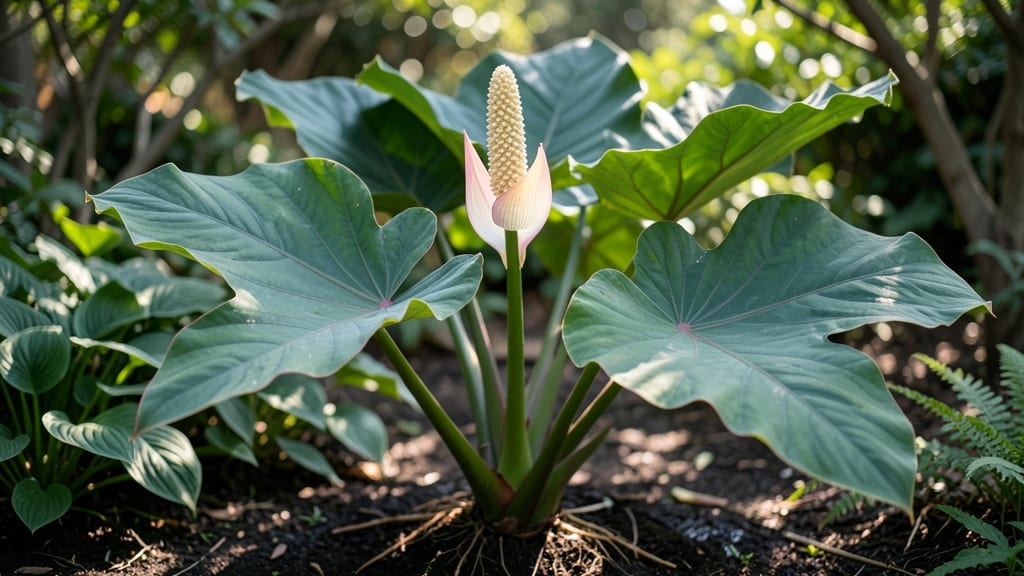
Elephant ears do grow flowers, and they’re a stunning surprise for gardeners who focus only on their bold, tropical leaves 🌿.
If you’ve ever admired the bold, tropical leaves of elephant ears (Colocasia and Alocasia species) but wondered whether they ever produce flowers, the answer might surprise you—yes, they do! These striking plants transform into breathtaking blooms under the right conditions, adding a dramatic floral spectacle to your garden.
The flowers appear in late summer or early fall, often after the plant has matured and stored enough energy. Unlike the showy foliage, these blooms are subtle at first—think of arrow-shaped spathes or unique spadices—but they pack a punch when they fully open.
Some varieties even produce fragrant, creamy-white flowers that stand out against the lush green leaves.
Here’s what you’ll discover: the best times to spot these blooms, how to encourage your elephant ears to flower, and whether those flowers are purely ornamental—or if they have any surprises in store.


When and how elephant ears produce flowers: a seasonal timeline
Elephant ears (Colocasia and Alocasia varieties) are prized for their dramatic foliage, but their flowers are equally stunning when they appear. These tropical plants typically bloom in late summer to early fall, though timing varies by variety and growing conditions.
Understanding their flowering cycle helps you anticipate—and even encourage—these breathtaking displays in your garden.
The flowering process begins when your elephant ear reaches maturity, usually after 1-2 growing seasons from planting. Younger plants focus energy on leaf growth, delaying blooms until they’re established.
For Colocasia, this often means second-year plants produce flowers, while Alocasia varieties may take even longer due to their slower growth habits.
Environmental cues trigger blooming, with longer daylight hours and warmer temperatures acting as key signals. In USDA zones 7-11, flowering typically occurs between July and September, aligning with peak summer heat. Cooler climates may see delayed blooms, while tropical zones might experience year-round potential under ideal conditions.
| Plant Type | Bloom Season | Maturity Requirement | Sunlight Needs | Water Needs |
|---|---|---|---|---|
| Colocasia (Common) | Late summer-early fall | 1-2 growing seasons | 4-6 hours partial sun | Consistently moist |
| Alocasia (Exotic) | Mid-fall (delayed) | 2-3 growing seasons | 3-4 hours filtered light | High humidity + moisture |
| Both Types | Triggered by heat + long days | Well-draining, rich soil | Avoid harsh afternoon sun | 1-2 gallons weekly |
The flowers themselves emerge as spathes—modified leaves that form a protective sheath around the actual flower structure called a spadix. In Colocasia, these often resemble arrow-shaped hoods in white or pale pink, while Alocasia varieties produce more intricate, sometimes purple-tinged spathes.
Male flowers develop first, followed by female blooms on the same plant.
Sunlight plays a crucial role in timing. While elephant ears thrive in partial shade, they need at least 4-6 hours of morning sun to initiate flowering. Too much direct afternoon sun can stress the plant, delaying blooms.
I’ve found that positioning them near east-facing windows or under dappled tree shade yields the best results for consistent flowering.
Watering patterns also influence bloom production. During the growing season, maintain consistently moist soil—never soggy—to encourage robust growth. However, a slight reduction in water 4-6 weeks before expected bloom time can trigger flowering, mimicking natural drought conditions.
Think of it as a gentle stress signal to prompt the plant to reproduce.
Temperature swings can affect flowering too. Elephant ears prefer warmth but dislike extreme heat above 90°F. In hot climates, provide afternoon shade to prevent leaf scorch, which can divert energy away from flower production.
I once grew Colocasia ‘Black Stem’ in Arizona and saw delayed blooms until I added shade cloth—proof that environmental adjustments make a difference!
Once flowers appear, they typically last 1-2 weeks before fading. While not long-lived, their dramatic appearance makes them worth the wait. Deadhead spent blooms to redirect energy into foliage growth for next season.
And here’s a fun fact: the tubers (rhizomes) of flowering plants store more energy, making them ideal for overwintering or propagation.
If your elephant ears refuse to bloom, don’t panic! Some cultivars—like Colocasia ‘Illustris’—prioritize foliage over flowers. Others may need 3+ years to mature. Patience and optimal care (rich soil, balanced fertilizer, and proper sunlight) will reward you with those stunning spathes when the time is right.
🌿
How to encourage elephant ear flowers: pro tips for gardeners
Elephant ears (Colocasia and Alocasia) are prized for their stunning foliage, but with the right care, they'll reward you with equally dramatic flowers. The key to triggering blooms lies in creating the perfect growing conditions that mimic their tropical origins.
These plants often skip flowering when they're too comfortable—think of it as a gentle stress signal needed to prompt blooming.
Start by ensuring your soil is rich and well-draining. Amend heavy clay with compost or coconut coir to improve aeration while retaining moisture. Elephant ears thrive in moist, fertile soil with a pH between 6.0 and 7.0.
A simple soil test can reveal if your garden bed needs adjustments before planting. For container-grown plants, use a mix of potting soil and perlite to prevent waterlogging.
🌱 Pro Tip: If your elephant ears aren't flowering after a year, they might need a nutrient boost. Apply a balanced fertilizer (10-10-10) every 4-6 weeks during the growing season (spring through summer).
In late summer, switch to a low-nitrogen, high-phosphorus fertilizer (like 5-10-10) to encourage flowering. Remember, over-fertilizing can lead to lush foliage but fewer blooms.
Yes! While elephant ears are often grown for their foliage, they produce striking flowers under ideal conditions. Colocasia varieties feature arrow-shaped spathes (modified leaves), while Alocasia sports unique spadices (clustered flowers). Blooms typically appear in late summer to fall on mature plants (2+ years old).
💡 Key Trigger: A slight water stress (letting soil dry slightly between waterings) can prompt flowering, but don't let plants wilt. Prune dead leaves in early spring to redirect energy toward blooms.
Pruning plays a crucial role in encouraging flowers. Remove any yellow or damaged leaves throughout the growing season to improve air circulation and reduce disease risk. In early spring, cut back dead foliage to the ground, which signals the plant to focus energy on new growth and potential blooms.
For established plants, a light pruning in late summer can also stimulate flowering by reducing competition for resources.
Light conditions are another critical factor. While elephant ears tolerate partial shade, they need 4-6 hours of morning sunlight to thrive and flower. Avoid harsh afternoon sun, which can scorch leaves.
If growing in containers, place them where they receive bright, indirect light for most of the day. A south-facing window with morning sun works well for indoor plants.
Troubleshooting non-flowering elephant ears often comes down to maturity and environmental cues. Young plants (under 2 years old) may not bloom, so be patient.
If your mature plant still refuses to flower, try these fixes: reduce watering slightly in late summer, move it to a slightly sunnier spot, or apply a phosphorus-rich fertilizer. Remember, these plants are native to tropical regions where resources can be scarce—mimic this natural cycle to encourage blooms.
Once your elephant ears start flowering, enjoy their unique blooms! While the flowers are primarily ornamental, they add a dramatic focal point to your garden.
After blooming, you can remove spent flowers to keep the plant looking tidy, but leaving them can sometimes encourage a second flush of blooms in some varieties. With these pro tips, your elephant ears will transform from leafy stars to floral showstoppers! 🌷