
Size
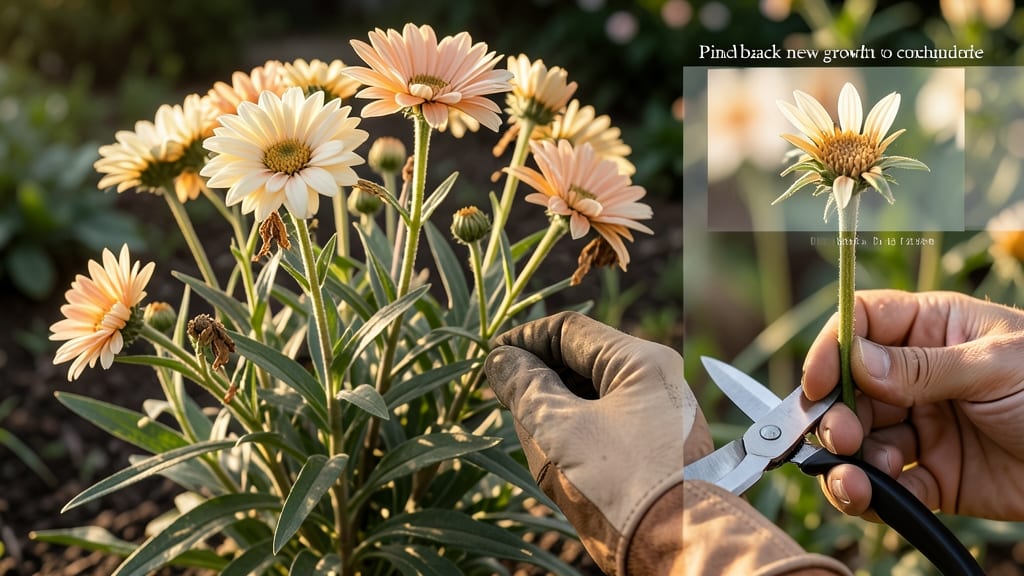
Pinching strawflowers 🌼 can transform leggy, sparse plants into lush, long-blooming bushes—if you do it at the right time and in the right way.
Struggling to keep your strawflowers blooming longer and looking fuller? The secret might be hiding in a simple pruning technique—pinching—that most gardeners overlook.
This easy method encourages your plants to branch out, producing more flowers over a longer season. But timing is everything: pinch too early or too late, and you could stunt growth or miss the bloom window entirely.
Below, I’ll walk you through when, where, and how to pinch strawflowers for the best results—plus what to do with those pinched stems and how to avoid common mistakes.
Why and when to pinch strawflowers for maximum blooms
If you've ever wondered why your strawflowers (Helichrysum bracteatum) look leggy or produce fewer blooms than expected, pinching might be the solution. This simple technique—removing the tips of young stems—triggers your plant to grow bushier and fuller, producing more lateral shoots that turn into vibrant blooms.
Unlike aggressive pruning, pinching is gentle yet powerful, encouraging a denser growth habit without stressing the plant.
Many gardeners skip pinching because they assume it’s only for vegetables like tomatoes or herbs. But strawflowers respond beautifully to this method, especially when done at the right time. The key is acting early in the growing season, when the plant is still establishing its structure.
Pinching too late can reduce flowering or even stunt growth, so timing is everything. Let’s break down the science and strategy behind this game-changing technique.
- 1 Yes, if you want bushier growth! Pinching strawflowers in early spring encourages lateral shoots, leading to more blooms and a fuller plant.
- 2 Timing matters: Pinch when plants are 6-8 inches tall and have 4-6 true leaves—typically 4-6 weeks after transplanting.
- 3 Avoid late-season pinching: Doing it after June can delay flowering or reduce bloom size. Focus on early growth stages only.
- 4 Visual cues for pinching: Look for new growth just above a leaf node—this is where lateral shoots will emerge after pinching.
- 5 Result: Pinched plants can produce 2-3x more blooms and stay fuller for weeks longer than unpinched ones.
The science behind pinching lies in plant hormones, specifically auxins, which control cell growth. When you remove the terminal bud (the topmost growth point), auxins can no longer suppress the dormant lateral buds along the stem.
This triggers those buds to wake up and grow into new branches, each capable of producing additional flowers. Think of it like redirecting your plant’s energy from one tall, skinny stem to multiple sturdy shoots.
For strawflowers, the best time to pinch is during the early growth stage, typically 4-6 weeks after transplanting or when seedlings reach 6-8 inches tall. This timing ensures your plant has enough energy to recover and produce new growth before the flushing season begins.
If you miss this window, you risk stunting the plant or delaying blooms, which can be especially problematic in shorter growing seasons.
Identifying the right moment to pinch involves checking for visual cues. Look for plants with 4-6 true leaves and a healthy terminal bud at the top. The stem should also be firm but not woody—this indicates active growth.
Avoid pinching if your plant looks stressed (e.g., yellowing leaves or stunted growth), as it won’t recover well from the additional stress.
One common misconception is that pinching will reduce flowering. In reality, the opposite is true: pinching extends the flowering period by encouraging a second flush of blooms later in the season.
Unpinched strawflowers often produce a single, sparse round of flowers before fading, while pinched plants can continue blooming for weeks longer. This makes pinching a worthwhile investment for gardeners who want long-lasting color in their beds.
If you’re growing strawflowers in containers, pinching is even more beneficial because it compensates for the limited root space. A pinched container-grown plant will spill over edges beautifully with blooms, creating a lush, cascading display that’s hard to achieve without this technique.
Just be sure to use well-draining soil and fertilize lightly after pinching to support new growth.
For those in warmer climates (USDA Zones 8-10), you can pinch strawflowers twice a season: once in early spring and again in early summer. However, in cooler zones (6-7), a single pinch in early spring is usually sufficient.
Always monitor your plant’s response—if it looks overwhelmed after pinching, scale back and let it recover before attempting another round.
Remember, pinching isn’t just about more blooms—it’s about healthier plants. By encouraging a balanced growth habit, you reduce the risk of disease (since crowded stems allow better airflow) and pests (fewer hiding spots for insects).
With the right timing and technique, your strawflowers will reward you with vibrant, long-lasting blooms that turn heads all season long. 🌼
Step-by-step pinching guide: how to do it right without harming your plant
Pinching strawflowers 🌼 is a simple yet powerful technique to encourage bushier growth and longer blooming periods. Unlike some plants, strawflowers respond well to pinching when done correctly, but timing and technique matter.
The goal is to remove the topmost set of leaves to stimulate lateral shoots, which will produce more flowers.
Before you begin, gather your tools: clean, sharp pruning shears or your fingers (for small stems). Avoid using dull tools, as they can crush stems and invite disease.
Pinching should be done in the early growth stage, typically when your strawflower has 4-6 sets of true leaves and is about 6-8 inches tall.
How to Pinch Strawflowers: Step-by-Step
-
Step 1: Identify the Pinching Point
Look for the topmost set of leaves on your strawflower. This is where you’ll make your cut. -
Step 2: Use Clean Tools
Sterilize your pruning shears with rubbing alcohol. For small stems, pinch with your fingers just above a leaf node. -
Step 3: Make the Cut
Remove the top 1-2 inches of growth, leaving 2-3 leaves below the cut. Avoid cutting into woody stems. -
Step 4: Dispose of Pinched Stems
Discard the pinched stems in your compost or trash. Do not replant them—they won’t root effectively. -
Step 5: Monitor Growth
Within 2-3 weeks, you should see new lateral shoots forming at the leaf nodes below the pinch.
Visual Tip: Pinching should leave 2-3 leaves below the cut to encourage branching.
After pinching, your strawflower may look a bit leggy or sparse for a few weeks, but this is normal. The plant redirects energy to lateral shoots, which will produce more flowers.
To support recovery, ensure your plant gets full sun and well-draining soil. Water deeply but avoid overwatering, as strawflowers are drought-tolerant.
Common mistakes include pinching too late (after flowering has started) or cutting too much (removing more than 1-2 inches). If you pinch too late, your plant may not have time to recover and produce new growth before blooming.
If you cut too much, the plant may struggle to recover. In both cases, reduce stress by ensuring proper watering and sunlight.
If you accidentally pinch at the wrong time, don’t panic! Your strawflower is resilient. Focus on supporting its recovery with balanced fertilizer (like 5-10-10) and consistent care. With time, it should bounce back and still produce abundant blooms, though the timing may be slightly delayed.
Pinching strawflowers is a low-risk, high-reward technique that can transform your garden beds into vibrant, full-blooming displays. Give it a try this season, and watch your strawflowers thrive with longer stems and more flowers than ever before! 🌸