
Flowers
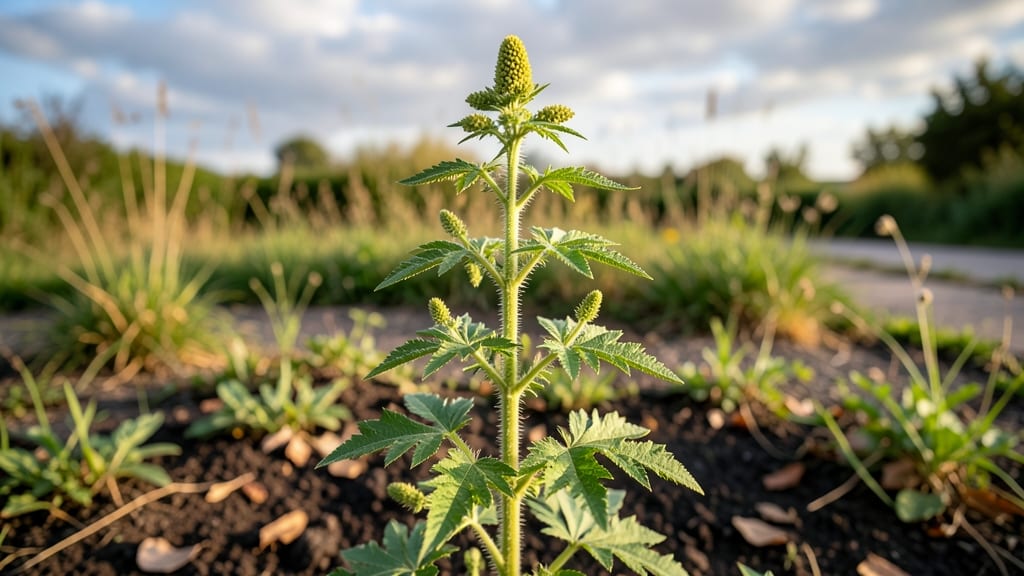
Ragweed does flower 🌿, and those tiny blooms are the source of your late-summer allergy misery—but you might not even recognize them.
If you’ve ever sneezed uncontrollably during late summer and fall, ragweed might be the silent culprit—but do you know when and how it flowers? Understanding its bloom cycle is key to managing allergies and avoiding its pollen traps.
Unlike showy garden flowers, ragweed produces small, greenish-brown clusters that go unnoticed until pollen counts skyrocket. These flowers appear in late summer, peak in September, and linger until the first frost—just when allergy sufferers are already dreading the worst.
In this guide, I’ll break down exactly when ragweed flowers, how to spot them in your yard, and why they’re such a problem for allergies. You’ll also learn practical ways to reduce exposure and track pollen season in your area.
When and how ragweed flowers: the pollen season timeline
Yes, ragweed does flower, and its bloom cycle is directly tied to the allergic misery many experience during late summer and fall. Unlike many flowers, ragweed produces tiny, greenish-brown blooms that go unnoticed by most people—until their pollen triggers sneezing fits.
These flowers aren't showy, but they're highly effective at spreading pollen, which is why they're such a problem for allergy sufferers.
The flowering season for ragweed typically begins in late August and continues until the first frost, often lasting well into October in warmer climates. This timeline explains why allergy symptoms spike during these months.
Ragweed's flowers are wind-pollinated, meaning they don't need insects to spread their pollen—just a gentle breeze to carry it for miles.
Understanding the pollen release pattern is crucial. Ragweed releases pollen early in the morning, often between 5 AM and 10 AM, when humidity is low. This is why allergy sufferers often feel worse in the mornings.
The pollen count can remain high throughout the day, especially on warm, windy days, making outdoor activities challenging for sensitive individuals.
Climate plays a significant role in when ragweed flowers. In warmer regions, like the southern U.S., ragweed may start blooming as early as July and continue until November.
Conversely, in cooler northern areas, the flowering season might not begin until September and end with the first frost in October. These variations can shift pollen season timelines by several weeks depending on location.
| Stage | Key Characteristics | Pollen Release | Regional Timing |
|---|---|---|---|
| Early Bloom | Greenish-brown flower clusters appear | Low to moderate | Late July (South) - Early Sept (North) |
| Peak Bloom | Flowers cover entire plant | High (5-10 million grains/m²/day) | August - October |
| Late Bloom | Flowers wilt but seeds form | Moderate (declining) | October - First Frost |
| Post-Frost | Flowers dead; seeds disperse | None | After first frost |
In the U.S. Midwest, ragweed's peak flowering season often aligns with harvest time, creating a double challenge for farmers and allergy sufferers alike. The Great Plains experience some of the highest pollen counts due to vast open fields where ragweed thrives.
Meanwhile, the Northeast sees later blooms, typically starting in September, because cooler temperatures delay its growth.
Canada's ragweed season mirrors the northern U.S., with Ontario and Quebec experiencing peak pollen in late August to September. Coastal regions, like British Columbia, may have shorter seasons due to milder winters, but pollen counts can still be high during their brief bloom period.
If you live in these areas, tracking local weather patterns can help you anticipate when ragweed will start flowering in your neighborhood.
One surprising fact about ragweed flowers is that they're not the plant's most problematic feature. The real issue lies in the seeds that form after flowering. Each ragweed plant can produce thousands of seeds, which spread easily and germinate the following spring.
This is why controlling ragweed is so difficult—even if you eliminate the flowers, new plants will emerge from seeds lying dormant in the soil.
If you're trying to minimize ragweed's impact, focus on the peak bloom months in your area. During this time, keep windows closed, use HEPA air purifiers, and avoid outdoor activities on windy days.
Mowing your lawn regularly can also reduce ragweed growth, though it won't eliminate it entirely. For gardeners, choosing native, non-pollen-producing plants can help create a more allergy-friendly landscape.
Ragweed's flowering cycle is a perfect example of how nature's timing can affect our daily lives. By understanding when and how ragweed flowers, you can better prepare for pollen season and take steps to reduce its impact on your health and garden.
The key is staying one step ahead of its bloom schedule—especially if you're prone to allergies.
Next time you see those unassuming greenish-brown flowers along roadsides or in fields, remember: they're not just flowers. They're the source of one of the most common allergens in North America.
Armed with this knowledge, you can make informed choices to protect your health and enjoy the outdoors more comfortably during ragweed season.
How to identify ragweed flowers and avoid pollen exposure
Ragweed does flower, but its blooms are so subtle they’re often overlooked until pollen counts spike. These greenish-brown flower clusters grow at the ends of stems and resemble tiny, fuzzy catkins—nothing like the vibrant blooms you’d expect from garden flowers.
The key is recognizing these 1-2 inch spikes that appear in late summer, just when allergies worsen.
What makes ragweed flowers especially problematic is their massive pollen production. Each plant releases billions of grains, carried by wind for miles. Unlike bees, wind pollination means these flowers don’t need showy petals to attract pollinators—just the right timing to trigger your immune system.
The flowers themselves are insignificant in appearance, but their impact on allergies is anything but.
⚠️ callout warning ⚠️
Yes—but you’ll miss it! Ragweed flowers are tiny, greenish-brown clusters (1-2 inches long) that appear in late August to October. Unlike dandelions or sunflowers, they lack petals and resemble fuzzy catkins. These wind-pollinated blooms produce 1 billion pollen grains per plant, making them the #1 allergy trigger in North America.
Pro Tip: Look for hairy stems with spiky flower tops—this is your ragweed ID clue. If you see these in fields, roadsides, or disturbed soil, pollen season has arrived.
One of the most common misidentifications is confusing ragweed flowers with lamb’s quarters or pigweed. Both have similar leaf shapes, but ragweed’s flower clusters are unique. Lamb’s quarters produce greenish-white flowers in clusters, while pigweed has tiny, greenish flowers that lack the fuzzy texture.
Always check for those spiky, fuzzy flower tops—that’s your telltale sign.
To reduce pollen exposure, start by sealing windows and using high-efficiency air filters (HEPA-rated) in your home. Ragweed pollen peaks in the morning hours, so plan outdoor activities for late afternoon when pollen levels drop.
Wearing sunglasses and a hat outside also helps block airborne particles from reaching your eyes and nose.
If ragweed is invading your yard, consider natural alternatives like bee balm or coneflowers, which attract pollinators but produce far less allergenic pollen. For existing ragweed, hand-pulling (with gloves!) or mulching can suppress new growth.
Just avoid mowing in late summer—this releases trapped pollen into the air, making allergies worse.
Knowing what ragweed flowers look like gives you the upper hand in avoiding pollen traps. Next time you spot those greenish-brown spikes, you’ll recognize them instantly—and take steps to protect your health before allergy season peaks. Stay vigilant, and keep those sneezes at bay!