
Light Requirements
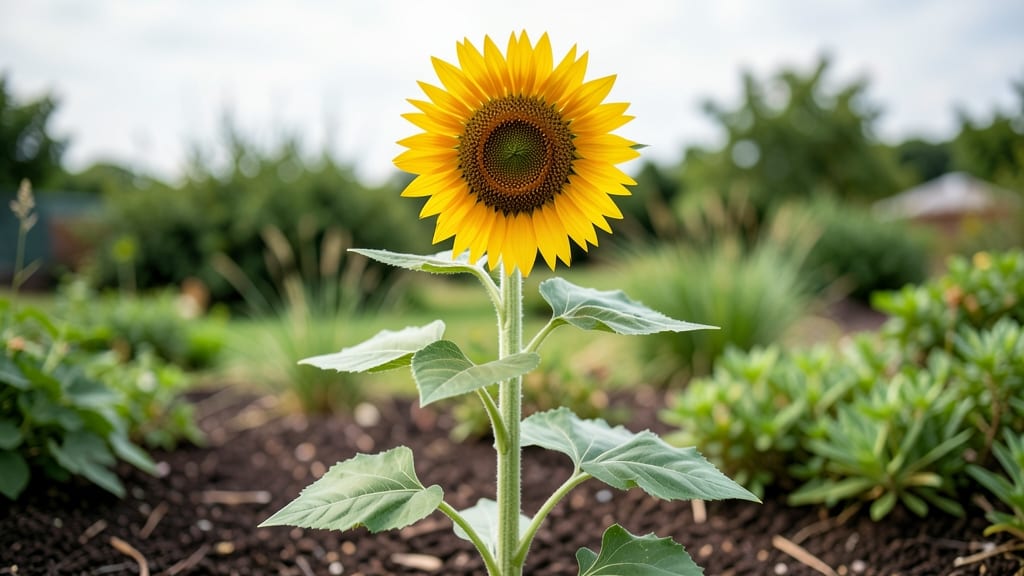
Sunflowers need sunlight to grow tall and strong 🌻 — at least 6 hours a day of direct light to reach their full potential.
Picture this: a 12-foot giant sunflower stretching toward the sky, its petals radiating joy. But without enough sunlight, that dream turns into a leggy, weak plant that struggles to stand. The difference between a towering beauty and a sad sapling often comes down to one thing: light.
Most gardeners assume sunflowers thrive anywhere, but these plants are sun worshippers. They rely on full sun to fuel their rapid growth and produce those iconic blooms.
Even a few hours less can mean smaller flowers, fewer seeds, and a plant that leans toward the nearest light source like a plant version of a sun-seeker.
In this guide, I’ll break down exactly how much sunlight sunflowers need, how to position them for success, and what to do if your garden isn’t quite sunny enough.
Whether you’re planting in a sunny patch or working with limited light, you’ll learn how to keep your sunflowers happy and thriving.
 Best Window Placement
How much sunlight do sunflowers need for optimal growth?
Sunflowers are heliotropic plants, meaning they naturally follow sunlight throughout the day. This behavior isn't just charming—it's essential for their growth. Without adequate sunlight exposure, these towering beauties struggle to reach their full potential, often resulting in stunted growth and poor flowering.
The good news? Sunflowers are relatively low-maintenance when it comes to light, but there are specific sunlight requirements they can't do without.
For most sunflower varieties, the minimum sunlight requirement is 6 hours of direct sunlight daily. However, to achieve those iconic 12-foot giants, aim for 8-10 hours of full sun. This extra light boosts photosynthesis, allowing your sunflowers to produce larger seed heads and stronger stems.
Think of sunlight as their primary energy source—the more they get, the better they grow.
🌻 Sunflower Sunlight Summary
| Growth Stage | Sunlight Needs | Key Benefits | Deficiency Signs |
|---|---|---|---|
| Seedling | 4-6 hours | Strong root development | Leggy, weak stems |
| Vegetative | 6+ hours | Rapid stem growth | Yellowing leaves |
| Flowering | 8-10 hours | Large blooms, seed production | Small, sparse flowers |
| Seed Maturation | 6+ hours | Full seed development | Underdeveloped seeds |
Sunflowers use sunlight to produce chlorophyll and convert carbon dioxide into energy through photosynthesis. During the vegetative stage (when leaves are growing), they need consistent light to develop strong stems.
Once they enter the flowering stage, the demand increases—this is when they need maximum sunlight exposure to produce those stunning blooms and viable seeds.
The photosynthesis efficiency in sunflowers peaks when they receive direct sunlight. Partial shade can reduce their growth rate by up to 50%, while full sun ensures they grow 3-4 inches per day during peak season.
If you're growing sunflowers in containers, place them in the sunniest spot available, as pots can't store excess sunlight like soil does.
One common misconception is that sunflowers can thrive in partial shade. While they might survive with 4 hours of sunlight, their growth will be significantly slower and weaker.
For example, the Russian Giant variety, known for reaching 12-16 feet, will only grow to 6-8 feet in partial shade. Even dwarf varieties like Teddy Bear will produce smaller, less vibrant blooms if deprived of adequate light.
To maximize growth, position your sunflowers in a south-facing garden bed in the Northern Hemisphere (or north-facing in the Southern Hemisphere). This ensures they receive the most sunlight throughout the day.
If your garden is shaded by trees or buildings, consider using reflective surfaces like white walls or mulch to bounce extra light onto the plants.
Watch for visual cues that indicate insufficient sunlight. Yellowing leaves, especially on the lower stems, are a classic sign of light deprivation. You might also notice weak, spindly stems that struggle to support the plant's weight.
In severe cases, sunflowers may produce fewer or no flowers at all, as they prioritize survival over reproduction when light is limited.
For gardeners in urban areas with limited space, vertical gardening can be a great solution. Train sunflowers to grow along trellises or fences to maximize their exposure to sunlight.
Even in small spaces, ensuring they get their minimum 6 hours of direct light will make a noticeable difference in their growth and flowering.
Remember, sunflowers are sun-worshippers at heart. The more sunlight they receive, the happier—and taller—they'll be. With the right light conditions, you'll be rewarded with vibrant blooms and those iconic towering stems that bring joy to any garden. ☀️🌻
What happens if sunflowers don’t get enough sunlight?
Sunflowers are famously sun-hungry, and when they don’t get enough light, their growth suffers in dramatic ways. Without 6+ hours of direct sunlight daily, these plants become weak, leggy, and often fail to produce those iconic blooms.
Imagine planting a 12-foot giant only to watch it struggle to reach half that height—sunlight deprivation is the culprit.
In my own garden, I once planted sunflowers under a partial shade tree, expecting decent results. The plants grew, but they were tall and spindly with tiny flowers, barely reaching 3 feet. The lesson? Sunflowers need full sun to thrive, not just survive.
When sunflowers lack adequate light, their stems stretch uncontrollably toward any available light source—a condition called etiolation. This makes them weak and prone to snapping in wind or rain. Even their leaves suffer, turning pale and sparse, unable to produce enough energy through photosynthesis.
Here’s the hard truth: sunflowers grown with only 4 hours of sunlight will produce fewer seeds and smaller blooms. In fact, studies show that sunflowers in full sun can yield 3x more seeds than those in partial shade.
That’s a huge difference for gardeners hoping to harvest seeds for next year!
⚠️ Warning: Sunlight Deficiency Signs in Sunflowers
- Leggy stems stretching toward light
- Pale, sparse leaves from weak photosynthesis
- Small or no flowers due to energy shortages
- Weak, brittle stems prone to breaking
- Poor seed production (or none at all)
If you see these signs, act fast—your sunflowers may not recover without more light!
But don’t despair if your garden isn’t sunny enough. You can still grow sunflowers with supplemental lighting, like placing them near reflective surfaces or using grow lights. I’ve had success with dwarf varieties in containers near south-facing windows, where they get indirect light for most of the day.
Even a partial shade spot can work if you choose the right variety and provide extra care.
For existing sunflowers struggling in low light, try pruning leggy stems to encourage bushier growth. You can also transplant them to a sunnier spot early in the season.
Just be gentle—their weak stems may not handle stress well. With the right adjustments, you can still salvage your sunflowers and enjoy their cheerful blooms!
Remember, sunflowers are sun worshippers, and their happiness (and height!) depends on it. Give them the light they crave, and they’ll reward you with towering stems and abundant blooms all season long. 🌻