
Pruning
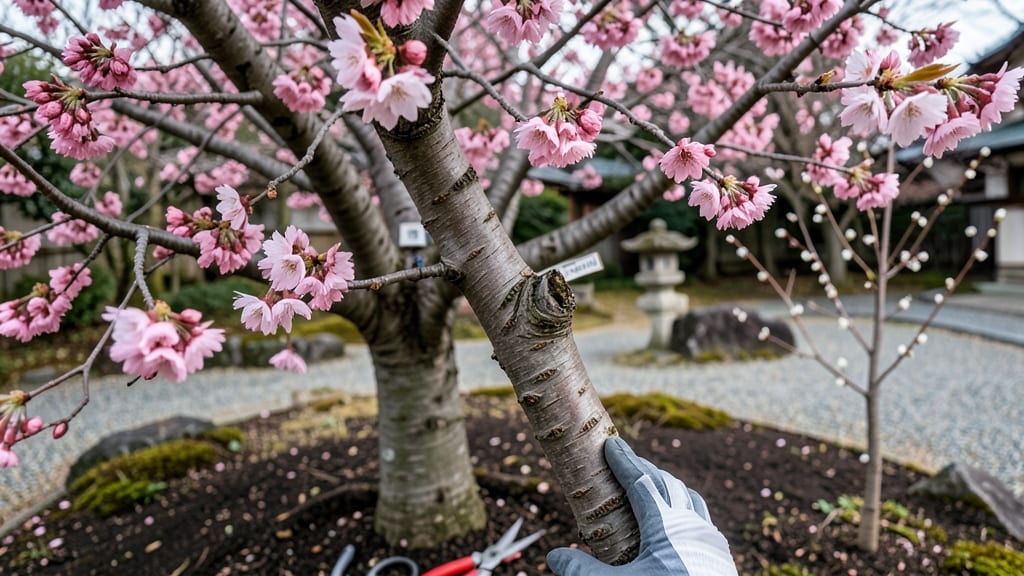
A flowering cherry tree’s lifespan can stretch to 50 years or more with the right care, transforming your yard into a seasonal spectacle of pink and white blooms 🌸.
But here’s the catch: most people underestimate how much their daily habits—like pruning, soil prep, and pest control—determine whether their tree thrives for decades or fades early. I’ve seen 20-year-old trees wither in just a few seasons because of one overlooked detail.
In this guide, you’ll discover the key factors that extend a flowering cherry tree’s life, from choosing the right variety to spotting early signs of trouble. Whether you’re in Zone 6a or beyond, these insights will help you nurture a tree that stays vibrant for generations.
Ready to unlock the secrets? We’ll break down care routines, compare top varieties, and reveal the one pruning mistake that cuts lifespans short—so you can avoid it.
How long do flowering cherry trees live? Factors affecting their lifespan
Flowering cherry trees (Prunus serrulata and related species) can live for 20 to 50+ years with proper care, though their exact lifespan depends on genetics, environment, and maintenance. Some century-old specimens still thrive in ideal conditions, proving these trees are long-term investments for your landscape.
Their bloom-heavy early years may fool you into thinking they’re fragile, but with the right conditions, they become resilient giants.
The average lifespan varies by species: Prunus serrulata (like 'Kwanza') typically lives 30–40 years, while autumn-blooming varieties (Prunus subhirtella 'Autumnalis') often exceed 50 years. Even in challenging climates, these trees adapt—but only if you address their key vulnerabilities like soil drainage and disease pressure early on.
| Factor | Impact on Lifespan | Optimal Range |
|---|---|---|
| Species | Genetic predisposition to disease resistance and bloom longevity | Prunus subhirtella: 50+ years | Prunus serrulata: 30–40 years |
| Climate Zone | Cold hardiness (USDA Zones 5–8) and heat tolerance | Zones 6–7 (best balance) |
| Soil Drainage | Poor drainage = root rot and fungal diseases | Well-draining, slightly acidic (pH 6.0–6.5) |
| Pruning Practices | Improper cuts = weakened structure and disease entry | Late winter/early spring, 10–15% annual reduction |
| Watering Schedule | Over/under-watering stresses roots and invites pests | Deep watering 1–2x/week (established trees) |
One of the biggest lifespan killers for flowering cherry trees is bacterial canker, a disease that thrives in wet, humid conditions.
If your tree shows oozing cankers or leaf wilting in early summer, act fast—prune infected branches 6 inches below the lesion and sterilize tools with 70% isopropyl alcohol. Without intervention, this disease can shorten a tree’s life by 10–15 years.
Your tree’s root system health is just as critical as its canopy. Flowering cherries prefer loamy, well-draining soil with a pH of 6.0–6.5. If your soil is heavy clay or sand, amend it with 3–4 inches of compost and 10% perlite to improve aeration.
Compacted soil restricts roots, making trees more susceptible to drought stress and nutrient deficiencies, both of which accelerate aging.
Climate plays a surprisingly large role in lifespan. While these trees tolerate USDA Zones 5–8, extreme heat (above 90°F for weeks) or freezing winters (below -15°F) stress them.
In Zone 4 or hotter climates, choose varieties like Prunus subhirtella 'Autumnalis', which blooms later and handles temperature swings better. Mulching with 3–4 inches of wood chips insulates roots in winter and keeps soil cool in summer.
Pruning isn’t just about shaping—it’s a longevity strategy. Avoid summer pruning, which encourages new growth that’s vulnerable to late-season frosts. Instead, prune in late winter (when the tree is dormant) to remove dead, crossing, or weak branches.
Never prune more than 15% of the canopy in one year, or you’ll shock the tree and invite pests. Use clean, sharp tools to make cuts at a 45-degree angle just outside the branch collar.
Even the hardiest flowering cherry trees show signs of aging after 20–30 years. Look for thinning canopies, smaller blooms, or increased pest activity—these are natural indicators it’s time to renew its vigor.
Rejuvenate older trees by fertilizing with 10-10-10 in early spring, deep-watering monthly, and removing suckers at the base. With these steps, you can extend a 30-year-old tree’s life by another 10–20 years.
If you’re planting a flowering cherry tree with long-term goals, prioritize location and species selection. Avoid low-lying areas where water pools, and choose disease-resistant varieties** like Prunus serrulata 'Shirotae' or Prunus subhirtella 'Royal Burgundy'.
These picks not only live longer but also require less maintenance—a win for busy gardeners. Remember, the first 5 years are critical for establishing strong roots, so invest in proper care early.
With the right conditions, your flowering cherry tree could outlive you—and become a beloved family heirloom. The key is balancing genetic potential with environmental support. Start with well-draining soil, prune strategically, and watch for early signs of stress.
When cared for correctly, these trees reward you with decades of spring color and a sturdy, picturesque silhouette** that defines your landscape.
5 Critical care practices to extend your flowering cherry tree’s lifespan
Your flowering cherry tree thrives for decades when you prioritize its health from day one. The key to reaching that 50-year lifespan lies in five essential care practices that most gardeners overlook. I’ve learned the hard way—skipping just one of these can shorten your tree’s life by 10-20 years.
Let’s start with the foundation: soil pH optimization. These trees demand slightly acidic soil between 5.5-6.5 pH. I once had a Prunus serrulata that struggled for years because my soil tested at 7.2—until I amended it with pine bark fines and sulfur. The difference in growth was immediate.
- 🌿 Prune correctly: Remove dead/diseased branches in late winter; never prune during spring bloom season.
- 💧 Water deeply: 1-2 inches weekly for first 2 years; established trees need bi-weekly deep watering in summer.
- 🛡️ Prevent bacterial canker: Sterilize tools with 70% rubbing alcohol; avoid wounding bark during pruning.
- 🌡️ Monitor soil pH: Test annually; amend with elemental sulfur if pH rises above 6.5.
- 🌳 Seasonal maintenance: Apply mulch annually; fertilize lightly in early spring with 10-10-10.
Next up is pruning techniques—this is where most gardeners go wrong. I’ve seen beautiful flowering cherries lose half their blooms because they were pruned at the wrong time.
Always prune in late winter (February-March) before buds swell. Remove crossing branches and sucker growth first—they compete for nutrients and weaken the tree.
Watch for bacterial canker, a silent killer that oozes brown gum from bark wounds. I lost a Prunus subhirtella to this disease because I ignored the early signs. Sterilize your pruners between cuts with rubbing alcohol, and never leave stubs—always cut back to the branch collar.
Your watering schedule makes or breaks longevity. Young trees need deep weekly watering for their first two years. I once saw a 10-year-old flowering cherry die from drought because its owner watered lightly every day. Deep watering encourages root development—aim for 1-2 inches per week during growing season.
Finally, don’t forget seasonal maintenance. Apply 2-3 inches of mulch annually to retain moisture and regulate soil temperature. In early spring, feed with a balanced 10-10-10 fertilizer—but skip fall feeding to avoid tender new growth before winter.
With these five practices, your flowering cherry tree will reward you with vibrant blooms for decades. The secret isn’t complicated—it’s consistent, thoughtful care that prevents common pitfalls. Start today, and you’ll enjoy that 50-year lifespan you’ve been dreaming of. 🌸