
Shrubs
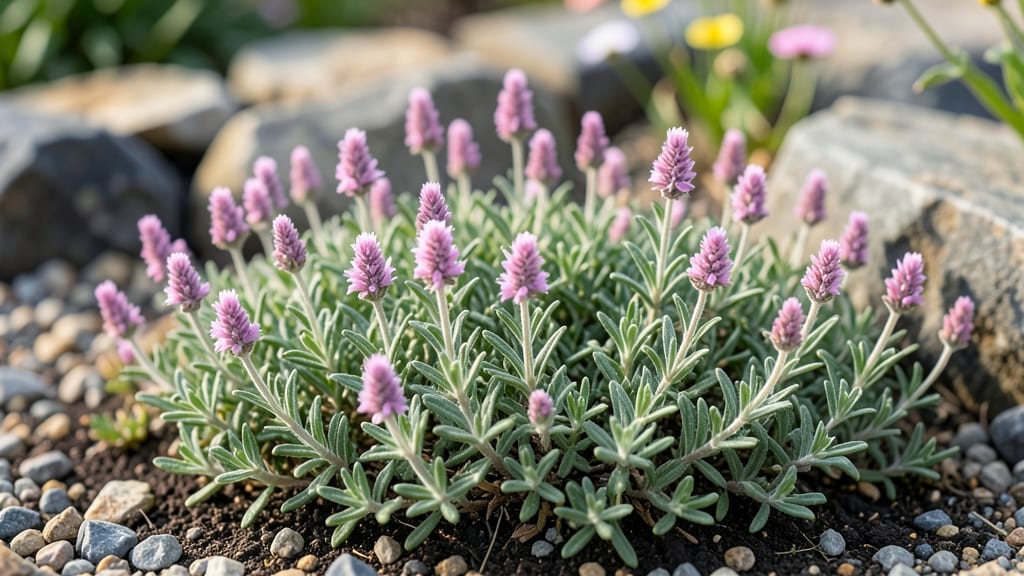
Creeping thyme that flowers 🌿 is the secret weapon for a garden that thrives on sunshine, needs almost no water, and still looks stunning year after year.
Picture this: a ground cover that spreads effortlessly, blooms from spring to fall, and doesn’t just survive drought—it loves it. That’s creeping thyme, a pollinator magnet that turns boring patches into vibrant, low-maintenance beauty without the fuss of mowing or weeding.
Whether you’re filling a rocky slope, edging a walkway, or just tired of lawns that demand constant care, this hardy herb delivers year-round color with almost zero effort. Plus, it’s deer-resistant and thrives in USDA Zone 6a and beyond.
In this guide, I’ll walk you through everything from planting in March or April to pruning for continuous blooms, plus the best companion plants to create a buzzing ecosystem in your garden.
Why flowering creeping thyme is the ultimate sun-loving ground cover
If you're dreaming of a lush, fragrant garden that thrives on neglect and attracts pollinators, flowering creeping thyme is your perfect solution. Unlike thirsty lawns, this drought-resistant perennial spreads effortlessly while producing vibrant purple blooms from spring to fall.
Its aromatic foliage and low-growing habit make it ideal for slopes, borders, and even rocky landscapes where other plants struggle.
What sets creeping thyme apart is its year-round beauty—even when not in bloom, its silver-green leaves add texture to your garden. Plus, it’s child- and pet-friendly, making it a safe choice for families.
With minimal care requirements, this ground cover outperforms traditional lawns in hot, dry climates while supporting local ecosystems.
Why choose creeping thyme over grass? It requires no mowing, no fertilizing, and survives on rainwater alone once established. Whether you're tackling erosion on a hillside or adding color to a sun-drenched border, this hardy plant delivers beauty with zero fuss. Let’s dive into why it’s the ultimate sun-loving ground cover and how to make it thrive in your landscape.
🌱
One of creeping thyme’s standout features is its adaptability to poor soil. Unlike finicky perennials, it thrives in sandy, rocky, or even slightly alkaline soils where other plants might fail.
This makes it ideal for reclaiming difficult spaces, like dry slopes or barren patches, without amending the soil. Simply plant it, water lightly, and watch it spread naturally to create a living carpet of color.
For pollinator-friendly gardens, creeping thyme is a game-changer. Its tiny purple flowers are a magnet for bees and butterflies, providing early-season nectar when few other plants are blooming. Unlike some ornamental ground covers, thyme offers both beauty and function, supporting local ecosystems while adding visual interest.
Even in winter, its silver foliage adds texture to snow-covered landscapes, proving it’s a year-round asset.
In hot, dry climates, creeping thyme outperforms grass by a landslide. A traditional lawn requires constant watering, mowing, and fertilizing, while thyme stays green with almost no care.
Its deep root system also helps prevent erosion on slopes, making it a practical and pretty solution for challenging terrain. Plus, its fragrant leaves release oils that naturally repel pests, reducing the need for chemical interventions.
Another reason gardeners love creeping thyme is its versatility in design. Use it to edge walkways, soften rock gardens, or fill gaps between stepping stones. It pairs beautifully with lavender, sedum, and ornamental grasses, creating low-maintenance, high-impact landscapes.
Unlike invasive ground covers, thyme stays contained and manageable, making it a safe choice for eco-conscious gardeners.
If you’ve ever struggled with brown, patchy lawns in summer, creeping thyme offers a refreshing alternative. Its heat tolerance and drought resistance mean it stays vibrant even when other plants wilt.
With no need for lawnmowers or weed killers, it’s a low-effort, high-reward addition to any garden. Ready to swap grass for colorful, fragrant ground cover that thrives on neglect?
🌿
Planting and care tips for thriving creeping thyme in any garden
Creeping thyme thrives with minimal fuss, but a few key steps will ensure your plants spread beautifully and bloom continuously from spring to fall. Start by choosing the right time—March or April when soil temperatures warm but frost has passed.
This timing gives your thyme a strong start before summer’s heat arrives.
For best results, plant in well-draining soil with full sun exposure (6+ hours daily). Heavy clay or soggy soil will suffocate roots, so amend with compost if needed. Creeping thyme’s shallow root system makes it perfect for slopes or rocky areas where other plants struggle.
🌿 5 Essential Steps for Creeping Thyme Success
- 1. Plant in full sun – 6+ hours daily for vibrant blooms and strong growth.
- 2. Space plants 12–18 inches apart – Allows airflow and prevents overcrowding.
- 3. Water lightly after planting – Keep soil moist but not soggy for the first 2 weeks.
- 4. Prune after flowering – Trim back 1/3 of growth in late summer to encourage new blooms.
- 5. Mulch lightly in winter – Protects roots in USDA Zone 6a and beyond.
Once planted, creeping thyme is drought-tolerant after establishment, but young plants need consistent moisture. Water deeply every 7–14 days in the first year, then reduce to bi-weekly watering once roots are established. Overwatering is the biggest mistake—thyme prefers dry conditions and will rot in soggy soil.
Pruning is simple: shear back one-third of the growth after the first flush of flowers in early summer. This encourages continuous blooming and keeps the plant compact. Avoid heavy pruning in fall, as thyme’s woody stems can take longer to recover.
Winter care is minimal, but a light mulch layer (1–2 inches) protects roots from freezing in colder zones. Creeping thyme is hardy down to Zone 5, but young plants may need extra protection. In spring, remove mulch and fertilize lightly with a 5-5-5 balanced fertilizer to kickstart new growth.
With these care tips, your creeping thyme will spread into a lush, fragrant carpet that blooms year-round and attracts pollinators. It’s the perfect low-maintenance solution for sunny gardens! 🌸