
Blooming
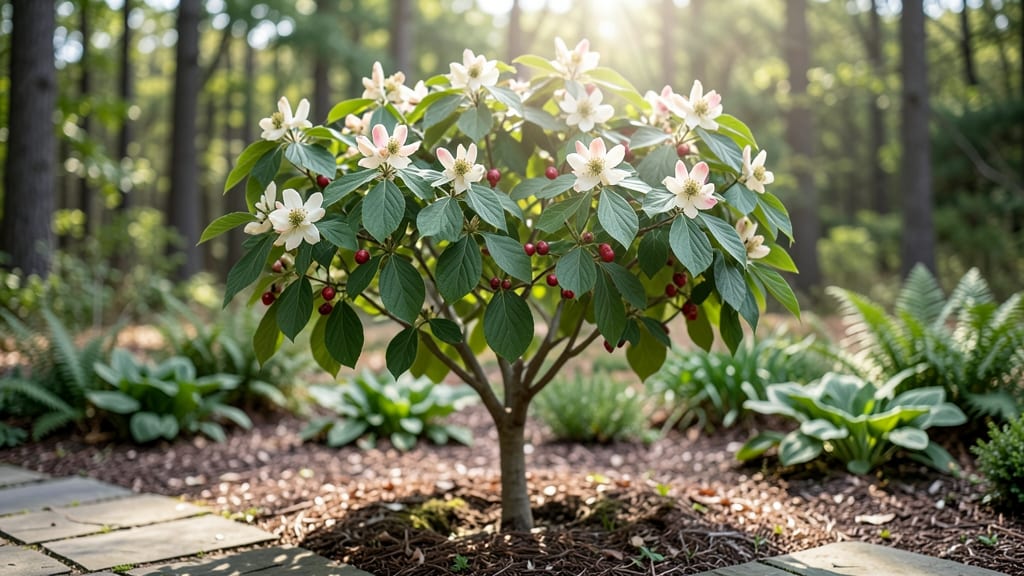
The stunning flowering dogwood bloom 🌸 turns your spring garden into a living masterpiece—but only if you time care just right.
Picture this: clusters of creamy bracts and delicate pink undertones lighting up your yard, drawing neighbors to pause and admire. Yet many trees struggle to deliver that showstopper display year after year.
The secret? Understanding the seasonal timing behind those iconic blooms and giving your dogwood exactly what it needs when it needs it.
From Zone 6’s early spring to summer’s peak, we’ll break down when to expect blooms, how climate affects them, and the simple care steps that make all the difference.
Whether you’re troubleshooting a sparse display or just want to extend the season, these tips will help your dogwood put on its best performance.
Ready to transform your tree into a springtime centerpiece? Let’s dive into the care routine that keeps those blooms bold, bright, and bountiful.
When and how flowering dogwood trees bloom: seasonal timing guide
The flowering dogwood (Cornus florida) puts on its most dazzling show in late spring, typically between April and early May in most U.S. regions. This timing aligns perfectly with the tree’s natural growth cycle, where stored winter energy fuels its iconic white bracts and cherry-red stems.
Understanding this window helps you anticipate—and even extend—the bloom duration for a longer garden spectacle.
In my Zone 6 garden, blooms appear around mid-April, just as the last frost passes. However, regional variations mean dogwoods in warmer southern zones (7-9) may bloom as early as March, while those in colder northern zones (4-5) might wait until late May.
These differences highlight how temperature and daylight trigger flowering.
Key factors like sunlight exposure, soil moisture, and winter chill hours directly impact bloom quality. For example, dogwoods need 4-6 hours of morning sun but can scorch in hot afternoon rays. Meanwhile, well-draining, slightly acidic soil (pH 5.0-6.0) ensures roots absorb nutrients efficiently, supporting vibrant blooms.
| Factor | Ideal Condition | Impact on Blooms |
|---|---|---|
| Sunlight | 4-6 hours morning sun | Healthy bracts, longer bloom duration |
| Soil pH | 5.0-6.0 (acidic) | Enhances nutrient uptake, vibrant colors |
| Watering | Deep weekly soak | Prevents stress, supports bud formation |
| Winter Chill | 600-1,000 hours below 45°F | Ensures reliable spring blooms |
| Fertilizer | Balanced 10-10-10 in early spring | Boosts bloom size and stem strength |
To identify a healthy bloom, look for bright white bracts (the petal-like structures) that stand out against deep green leaves. Buds should swell by late March in most regions, and the cherry-red stems will harden as blooms near.
In contrast, struggling blooms may show yellowing bracts, drooping stems, or sparse foliage, often signaling nutrient deficiencies or fungal stress.
Extending the bloom display involves strategic pruning and consistent care. I prune dead or crossing branches in late winter to improve airflow, which reduces fungal risks.
Additionally, mulching with compost in early spring retains moisture and feeds roots, while avoiding summer pruning prevents stress that could shorten the bloom season.
Regional variations are worth noting: In the Southeast, dogwoods often bloom 2-3 weeks earlier than in the Northeast due to milder winters. For example, Atlanta (Zone 7b) sees blooms in early April, while Boston (Zone 6b) typically waits until late April.
These differences emphasize the importance of local climate data when planning your garden timeline.
One common misconception is that dogwoods bloom on old wood, meaning last year’s growth produces this year’s flowers. This makes summer pruning risky, as removing branches then can reduce next year’s blooms.
Instead, focus on light shaping prunes in late winter to maintain the tree’s natural form while preserving its flowering potential.
For longer-lasting blooms, I’ve found that watering deeply every 5-7 days during the bloom season keeps the tree hydrated without over-saturating the soil. Pair this with light applications of iron sulfate if leaves show yellowing between veins, a sign of chlorosis common in alkaline soils.
These steps ensure your dogwood stays vibrant for 3-4 weeks instead of just 2.
Finally, observe your dogwood’s foliage changes after blooming. Healthy leaves should turn lush green by summer, while stressed trees may develop brown spots or leaf drop. These signs help you adjust care for the next bloom cycle.
With the right conditions, your dogwood will reward you with year-after-year spectacular displays that anchor your garden’s spring beauty.
Step-by-step pruning and fertilizing for dogwood blooms
To keep your flowering dogwood producing those stunning white bracts year after year, timing is everything. Pruning and fertilizing at the right moments will encourage vibrant blooms and maintain your tree's health.
I’ve learned that most gardeners make one of two mistakes: pruning too late in the season or over-fertilizing during dormancy. Let’s fix that together!
First, understand that dogwoods bloom on old wood, meaning last year’s growth produces this year’s flowers. This changes how and when we prune. Unlike spring-blooming trees, you’ll want to wait until after blooming to prune, usually in late May or early June in most USDA Zone 6 regions.
This gives your tree time to set buds for next spring.
🌿 Step-by-Step Dogwood Pruning & Fertilizing
-
Step 1: Prune After Blooming (Late May-June)
Remove dead or diseased branches first. Then trim 1/3 of last year’s growth to encourage new, healthy branches. Use clean, sharp pruners to avoid tearing bark.
-
Step 2: Fertilize in Early Spring (March)
Apply a balanced 10-10-10 fertilizer (1 cup per 10 sq ft) when new growth appears. Water thoroughly after application to prevent root burn.
-
Step 3: Light Fall Fertilizing (October)
Use a low-nitrogen fertilizer (like 5-10-10) to prepare for winter. Avoid heavy feeding—dogwoods need time to harden off before cold.
-
Step 4: Mulch & Water Deeply
Add 2-3 inches of mulch around the base (keep it 6 inches from the trunk) and water deeply once a week during dry spells.
-
Step 5: Avoid Summer Pruning
Pruning in summer stresses the tree and can reduce next year’s blooms. If you must prune, do so in dormant season (late fall) only for structural shaping.
For fertilizing, I’ve found that organic options like compost or slow-release granules work beautifully. They feed the soil over time, which dogwoods love. If you prefer synthetics, stick to balanced formulas and avoid high-nitrogen blends—they promote leafy growth at the expense of blooms.
My favorite organic choice? Fish emulsion in early spring, followed by a bone meal application in fall for phosphorus.
One common mistake I see is pruning dogwoods in early spring before blooms appear. This removes next year’s flower buds! Another pitfall is using heavy-handed pruning to shape the tree.
Dogwoods have a natural, graceful form—let them shine without aggressive cuts. If your tree isn’t blooming well, check for over-pruning or nutrient deficiencies first.
Remember, dogwoods thrive with consistency. A little care each season—pruning after blooms, fertilizing twice a year, and keeping the soil moist—will reward you with show-stopping spring displays for decades. Your future self (and your neighbors) will thank you! 🌸