
Shrubs
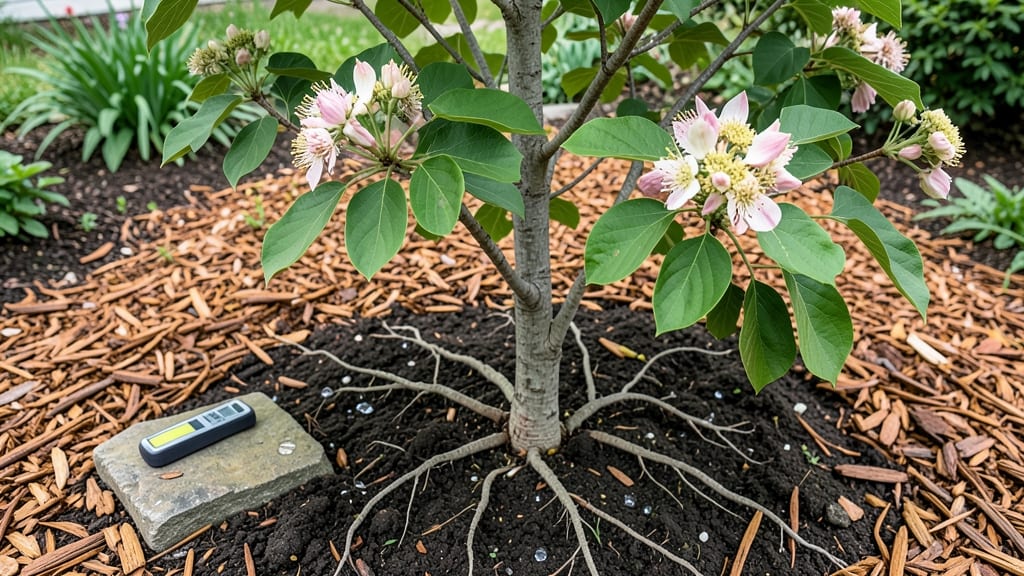
Flowering dogwood soil requirements are the foundation for stunning spring blooms 🌸, and getting them right can transform your tree from struggling to showstopping.
Picture this: you’ve planted your prized flowering dogwood, only to watch its leaves yellow or its branches weaken. The culprit? Soil that’s either too dense, too alkaline, or lacking the organic richness it craves.
Without the right mix—think acidic pH (5.0–6.0), well-draining texture, and 30–50% organic matter—your tree fights just to survive, let alone thrive.
This guide cuts through the guesswork, showing you how to test your soil, amend heavy clay or sandy patches, and create the perfect growing conditions—whether you’re planting in-ground or in containers. No more wasted effort or wilted disappointment.
You’ll learn the exact soil blend to mimic its native woodland habitat, how to fix drainage issues (yes, even in clay-heavy zones), and the simple amendments that make all the difference. Let’s get your dogwood the soil it deserves.
Optimal flowering dogwood soil pH and composition breakdown
If your flowering dogwood (Cornus florida) isn't blooming like it should, the culprit is likely hiding in the soil. These stunning spring trees thrive when their roots enjoy a slightly acidic environment with rich organic matter.
The ideal soil pH range for flowering dogwoods is between 5.0 and 6.0, mimicking their natural woodland understory habitat. Without this precise balance, nutrient uptake suffers, leading to weak growth and poor flowering.
Beyond pH, dogwoods demand a well-aerated, loamy soil with 30–50% organic matter content. This mix ensures proper moisture retention while preventing waterlogging—a common issue in heavy clay soils. The right composition also supports beneficial microbes that help break down nutrients into forms the tree can absorb efficiently.
Without these elements, even well-intentioned care like watering and fertilizing falls short.
Let’s break down the essential soil components and how to achieve them, whether you're planting a new dogwood or reviving an underperforming one. We’ll cover pH testing methods, organic amendments, and regional adjustments to create the perfect foundation for your tree’s success.
| Soil Requirement | Ideal Specification | Amendment Options |
|---|---|---|
| pH Level | 5.0–6.0 (slightly acidic) | Elemental sulfur (to lower pH), garden lime (to raise pH) |
| Organic Matter | 30–50% (loamy texture) | Compost, well-rotted manure, peat moss |
| Drainage | Well-draining (no standing water) | Pine bark fines, perlite, coarse sand |
| Texture | Loamy (balanced sand, silt, clay) | Mix of native soil + 50% compost |
| Nutrient Density | High in nitrogen, phosphorus, potassium | Bone meal, worm castings, leaf mold |
Testing your soil’s pH is the first step toward creating an optimal environment for your flowering dogwood. You can use a home pH test kit (available at garden centers) or send a sample to a local cooperative extension service for professional analysis.
For a quick DIY test, mix a soil sample with distilled water and use litmus paper to check the pH. If your soil tests above 6.0, amend it with elemental sulfur; if below 5.0, add garden lime to raise the pH gradually.
Organic matter is the backbone of healthy dogwood soil. Aim for a 30–50% organic content, which can be achieved by amending your soil with composted leaves, well-rotted manure, or peat moss. These materials improve soil structure, retain moisture, and provide slow-release nutrients.
For heavy clay soils, mix in pine bark fines or coarse sand to enhance drainage while maintaining organic richness. In sandy soils, add peat moss or coconut coir to boost water retention.
One of the most effective amendments for flowering dogwoods is pine bark fines, which improve aeration and drainage while adding organic matter. Spread a 2–3 inch layer around the tree’s root zone and lightly mix it into the top 6 inches of soil.
Another powerhouse amendment is composted leaf mold, which mimics the natural leaf litter dogwoods thrive in. Apply a 4-inch layer annually in early spring to replenish nutrients and improve soil structure over time.
Regional adaptations are key to success. In humid climates, focus on improving drainage to prevent fungal diseases like root rot. In arid regions, prioritize moisture retention by adding compost and mulch to reduce evaporation.
For container-grown dogwoods, use a 50/50 mix of potting soil and organic matter, such as perlite and compost, to ensure adequate aeration and nutrient availability. Always water thoroughly after amending to help the soil settle and integrate.
Mulching plays a crucial role in maintaining optimal soil conditions. Apply a 3–4 inch layer of organic mulch, like shredded bark or wood chips, around the base of your dogwood, keeping it 6 inches away from the trunk to prevent rot.
Mulch helps regulate soil temperature, reduces weed competition, and slowly decomposes to add organic matter. Replenish mulch annually in late winter or early spring to support new growth and flowering.
If your flowering dogwood isn’t responding to soil amendments, consider mycorrhizal fungi, which form beneficial relationships with tree roots. These fungi enhance nutrient absorption and improve root health. You can find mycorrhizal inoculants at garden centers and apply them during planting or as a soil drench in early spring.
Pair this with a balanced fertilizer (10-10-10) applied in early spring to support robust growth and vibrant blooms.
Remember, soil health is an ongoing process. Regularly monitor your dogwood’s growth and adjust soil conditions as needed. With the right pH balance, organic matter, and drainage, your flowering dogwood will reward you with stunning spring blooms year after year.
Drainage secrets: how to prevent root rot in flowering dogwood trees
Flowering dogwood trees despise soggy roots—poor drainage is their #1 growth killer. If your tree’s leaves yellow, wilt, or drop prematurely, the roots may be suffocating in waterlogged soil.
Unlike drought-tolerant shrubs, dogwoods need well-aerated soil that drains quickly but retains moderate moisture. The key? Mimicking their natural woodland habitat where roots get oxygen without sitting in puddles.
Heavy clay soils are the biggest culprit, trapping water and blocking roots. Even sandy soils can be tricky—they drain too fast, forcing roots to scramble for moisture. The solution? A custom drainage strategy that balances organic matter, texture, and elevation.
I’ll walk you through assessing your soil, fixing drainage issues, and using organic mulches to keep roots happy without overwatering.
⚠️ Root Rot Red Flags in Flowering Dogwoods
Yellowing leaves that stay yellow (not fall colors) signal oxygen-starved roots. Check for:
- Mushy, dark roots when dug up (smells sour)
- Soil that stays soggy 2+ days after rain
- Stunted growth despite regular watering
Act fast: If roots are mushy, prune affected areas with sterilized shears and replant in amended soil immediately.
Start by testing your soil’s drainage with the jar test. Fill a clean jar halfway with soil, add water, and shake. Well-draining soil will separate into layers (sand on top, silt, then clay) with water draining within 1 hour.
If water pools at the top after 6+ hours, your soil is clay-heavy and needs amending. For sandy soil, water drains too quickly—aim for a 30–50% organic matter mix to slow drainage slightly.
For clay soil, create a raised bed or mound at least 12 inches high. Mix the native soil with 50% compost, 30% pine bark fines, and 20% perlite to break up compaction.
If your yard is flat, dig a 12-inch-deep trench around the tree’s dripline, fill it with gravel, then top with 2 inches of wood chips. This mimics natural slopes and directs water away from roots.
Organic mulches are your best friend for moisture control. Use 3–4 inches of wood chips or shredded hardwood mulch around the tree’s base, keeping mulch 6 inches away from the trunk to prevent rot. These mulches slow evaporation while allowing excess water to seep down.
Replenish mulch annually—it breaks down and loses effectiveness over time. For container-grown dogwoods, use a 50/50 mix of potting soil and perlite to ensure fast drainage.
After amending your soil, monitor drainage by checking the soil 2 inches deep with your finger. It should feel moist but not soggy—like a wrung-out sponge. Water deeply once a week (or bi-weekly in summer) for established trees, delivering 15–20 gallons at the base.
Avoid overhead sprinklers, which compact soil and encourage fungal diseases. With the right drainage, your flowering dogwood will reward you with bold blooms and lush foliage for decades.