
Flowers
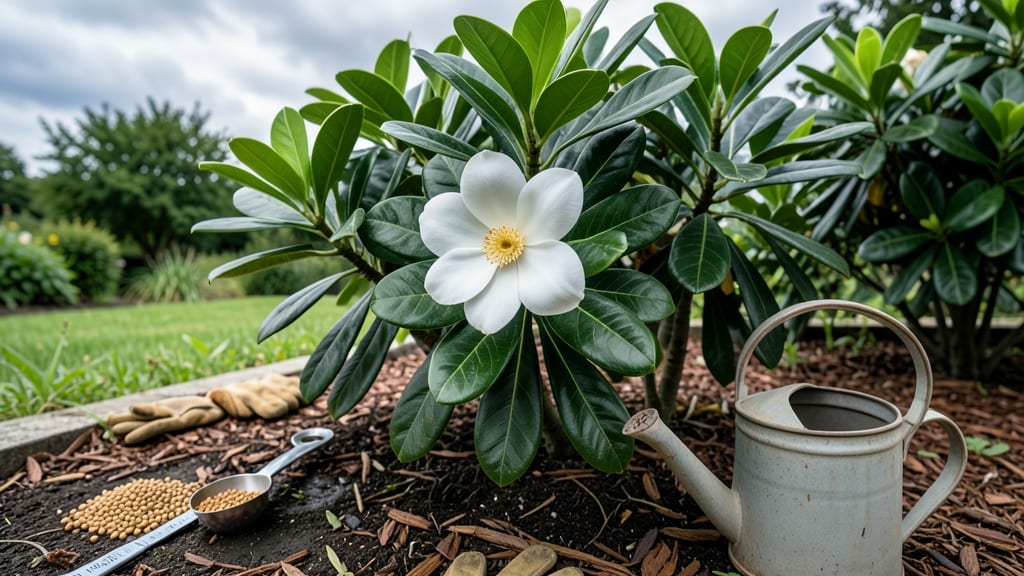
Fertilizing gardenia flowers with the right gardenia flower fertilizer is the secret to bigger blooms and that signature intoxicating fragrance 🌸.
Picture this: your gardenia is throwing out leaves but barely a bud, and the scent is more "meh" than "wow." The problem?
Most gardeners overlook the pH-sensitive needs of their plants—Gardenia thrives only in soil between 5.0 and 6.5, and the wrong fertilizer can turn your shrub into a sad, sparse shadow of its potential.
You’re not alone if you’ve been guessing on fertilizers—this guide cuts through the confusion with the best organic and synthetic options, exactly when to feed them (and when to stop), and how to spot over- or under-feeding before it’s too late.
By the end, you’ll know how to transform your gardenia from a leafy bush into a fragrant, blooming powerhouse—no more wasted money on the wrong products, no more mystery why your neighbor’s gardenia smells like heaven while yours just… doesn’t.
Best acid-loving fertilizers for gardenia flowers (pH 5.0-6.5 guide)
Gardenias thrive when their soil pH stays between 5.0 and 6.5, mimicking their natural tropical habitat. Without the right acid-loving fertilizer, you’ll see fewer blooms, yellowing leaves, and weak fragrance.
The key is choosing a fertilizer that not only provides essential nitrogen (N), phosphorus (P), and potassium (K) but also lowers soil pH naturally. Let’s explore the top options—both organic and synthetic—that will give your gardenias the boost they need.
Most gardenia fertilizers come in two forms: slow-release granules and liquid feeds. Granules are ideal for steady nutrient release, while liquids work faster for quick corrections. Both should contain micronutrients like iron and magnesium, which gardenias crave for vibrant blooms.
Avoid generic all-purpose fertilizers—they often raise pH and burn delicate gardenia roots. Instead, opt for products specifically formulated for acid-loving plants like azaleas, camellias, and gardenias.
Here’s a quick comparison of the best fertilizers to keep your gardenias happy and blooming:
For synthetic fertilizers, Miracle-Gro Azalea, Camellia & Gardenia is my top pick—it’s specifically designed for acid-loving plants and includes a balanced NPK ratio (8-3-9) that encourages blooms without excessive leaf growth. The granules release nutrients slowly, reducing the risk of root burn while keeping soil pH in the ideal range.
Apply it in early spring and summer to align with your gardenia’s natural growth cycle.
If you prefer organic options, cottonseed meal is a powerhouse for gardenias. It’s high in nitrogen, which promotes lush foliage, and it naturally lowers soil pH as it breaks down.
For a quick liquid boost, fish emulsion works wonders—it’s packed with micronutrients and has a slightly acidic pH. Just dilute it properly to avoid overwhelming your plants. I’ve seen gardenias respond dramatically within weeks of switching to these organic feeds!
One mistake many gardeners make is over-fertilizing in the fall. Gardenias need a rest period in late summer and winter, so avoid feeding after August. Instead, focus on light applications in spring and early summer to fuel blooming.
Always water your gardenias deeply before and after fertilizing to help nutrients reach the roots and prevent salt buildup in the soil.
Pro tip: Test your soil’s pH every 2-3 years to ensure it stays in the 5.0-6.5 range. If your gardenias show signs of chlorosis (yellow leaves with green veins), it’s a clear sign your soil is too alkaline.
In this case, mix in elemental sulfur or peat moss to bring the pH back down. A simple soil test kit (available at garden centers) makes this easy to monitor.
For container gardenias, use a half-strength fertilizer since they dry out faster and have limited root space. I like to mix fish emulsion with water and apply it every 4 weeks during the growing season. Containers also benefit from acid-loving plant pellets, like those from Osmocote, which
How to apply gardenia fertilizer for maximum bloom size & fragrance
Timing and technique are everything when fertilizing gardenias. These acid-loving shrubs thrive with balanced nutrition during their active growing months, but too much fertilizer can burn roots or reduce blooms.
The key is applying fertilizer at the right time of year and using the proper application method—whether you choose liquid feeds or slow-release granules.
Before you begin, test your soil's pH level (gardenia soil should be between 5.0-6.5). If your soil is too alkaline, you'll need to acidify it first using sulfur or peat moss.
Once your soil is properly acidic, follow these steps to maximize your gardenia's bloom size and fragrance.
🌱 Step-by-Step Gardenia Fertilizer Application
- 1 Choose the Right Fertilizer: Use an acid-loving plant fertilizer like Miracle-Gro Azalea, Camellia & Gardenia (16-4-8) or an organic option such as cottonseed meal (7-2-1). Avoid high-nitrogen lawn fertilizers.
- 2 Apply in Early Spring: Start fertilizing in March or April, right after your last frost date. This kickstarts root growth and sets the stage for summer blooms.
- 3 Follow the 4-6 Week Schedule: Feed your gardenia every 4-6 weeks during the growing season (March through July). Reduce to every 8 weeks in late summer to avoid encouraging new growth before winter.
- 4 Use the Right Amount: For granular fertilizers, sprinkle 1 tablespoon per plant (or 1 tablespoon per square foot for container plants). For liquid fertilizers, dilute to half-strength and apply every 2 weeks.
- 5 Water Thoroughly After Applying: Always water your gardenia deeply after fertilizing to help nutrients reach the roots. Apply 1-2 gallons per plant to ensure full absorption.
- 6 Stop Fertilizing in Fall/Winter: Avoid fertilizing from August through February to allow your gardenia to enter dormancy naturally. Resume feeding in early spring.
- 7 DIY Acidifier Recipe: Mix 1 part sulfur with 2 parts peat moss and work into the top 6 inches of soil annually. This maintains the ideal pH of 5.0-6.5 for gardenias.
Pay close attention to your gardenia's response after fertilizing. Yellow leaves or brown leaf edges often signal over-fertilization, while pale foliage or small blooms may indicate under-fertilization. Adjust your feeding schedule accordingly to keep your gardenia thriving.
For container gardenias, flush the soil with water every 3-4 months to prevent salt buildup from fertilizers. This simple step can make a big difference in your plant's health and fragrance output. With consistent care, your gardenia will reward you with larger, more fragrant blooms year after year.
🌸