
Blooming
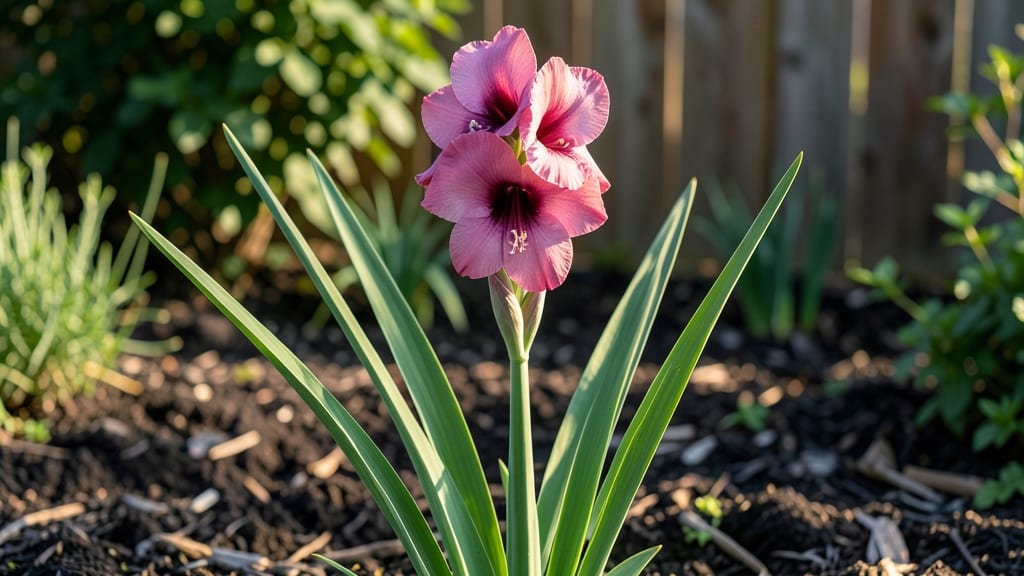
The gladioli flowering season peaks in mid-to-late summer 🌸—but the exact timing depends on your hardiness zone, planting date, and even the variety you choose.
Picture this: you’ve spent weeks nurturing those corms, and now you’re waiting for those dramatic, sword-like spikes to burst into color. But if you’re in Zone 6a or warmer, your blooms might arrive earlier than expected—or disappear too soon if you don’t plan right.
In this guide, I’ll break down the exact months your gladioli will flower by zone, plus pro tips to extend that vibrant display from July right through September.
You’ll learn how to adjust planting for consistent blooms, spot common mistakes that kill flowers before they open, and even troubleshoot if your gladioli refuse to perform.
Gladioli flowering months by USDA hardiness Zone (exact timeline)
If you've ever planted gladioli corms hoping for those show-stopping summer blooms only to be disappointed by sparse or delayed flowers, your USDA hardiness zone is likely the culprit.
Gladioli thrive in warmth and sunlight, but their flowering windows vary dramatically across regions—from late June in Zone 3 to October in Zone 11. Understanding these zone-specific timelines helps you plant early, mid-season, or late varieties to create a continuous display from summer through fall.
The key to consistent blooms lies in matching your planting time to your zone's frost dates and heat tolerance.
For example, Zone 5 gardeners should plant in late April to early May for blooms by mid-July, while Zone 10 gardeners can extend their season by planting in September for holiday-season color.
Let’s break down the exact flowering windows you can expect in each zone, along with pro tips to maximize your gladioli’s dramatic spikes.
🌱 Pro Tip: Always plant gladioli corms 4-6 weeks before your last frost date—this ensures roots establish before rapid growth begins. In warmer zones, you can even plant in fall for spring blooms.
Notice how warmer zones like 9-11 enjoy longer bloom durations and can even plant in fall for winter displays? This flexibility lets you create year-round color with careful variety selection. For example, 'Green Star' thrives in Zone 9 heat while 'Black Star' offers holiday-season drama in Zone 11.
In cooler zones (3-6), timing is critical—plant too late, and shortened daylight can delay blooms until late August. To combat this, I recommend planting early varieties like 'White Friendship' alongside mid-season types for a staggered show. This 3-week overlap ensures your garden never looks bare.
Climate also affects bloom intensity. In humid zones (7-8), gladioli may produce fewer but larger blooms due to slower growth rates. To compensate, I increase fertilizer frequency to every 3 weeks during peak bloom and deadhead spent blooms to encourage new spikes.
In dry zones (9-11), focus on deep watering—gladioli roots need 6-8 inches of moisture per week to support those heavy flower spikes.
💡 Zone-Specific Hack: In Zone 5-6, plant half your corms in early April and the rest in mid-May. The first batch blooms in July, while the second extends color into early September—a 2-month display from one planting!
For container gardeners, timing shifts slightly. Since pots warm up faster, you can plant 2-4 weeks earlier than ground plantings in the same zone. However, containers also dry out quicker, so water daily during peak bloom to prevent bud drop. I’ve seen potted gladioli in
How to extend your gladioli flowering season with smart planting
Want your gladioli to bloom from July through September instead of just a few weeks? The secret lies in strategic planting—not just timing, but also corm selection and variety choices.
By staggering plantings and choosing heat-tolerant varieties, you can create a continuous display that keeps your garden vibrant all summer long.
Most gardeners plant gladioli corms once in spring and cross their fingers for a 3-4 week bloom window. But with a few adjustments, you can double or triple that time.
The key is understanding how corm size and planting intervals affect flowering. Smaller corms bloom earlier, while larger ones produce bigger flowers later in the season.
Here’s how I extend my gladioli season by 6+ weeks—without extra work or space. These three techniques are my go-to for gaps-free blooms:
Plant 3 batches of corms 3 weeks apart in spring. The first batch blooms in July, the second in August, and the third in early September. Use smaller corms (1-2 inches) for earlier blooms and larger corms (2-3 inches) for later, bigger flowers.
Choose late-season varieties like 'White Friendship' or 'Pink Parfait', which thrive in hotter temperatures and bloom 2-3 weeks later than standard types. These varieties also resist bud blast from afternoon heat.
Plant half your corms 4 inches deep and the other half 6 inches deep. Deeper corms produce taller stems and bloom 1-2 weeks later than shallower ones. This creates a natural overlapping bloom time without gaps.
Don’t forget to deadhead spent blooms regularly—this encourages your gladioli to produce more flowers and extends the season by 10-15 days. I also add a balanced fertilizer (10-10-10) every 4 weeks during the growing season to keep plants strong and flowering.
For cooler climates (Zones 3-5), start your first batch indoors in late March and transplant after the last frost. In warmer zones (Zones 7-11), you can plant as late as June for fall blooms. Just adjust your intervals to match your local frost dates.
With these techniques, your gladioli will bloom nonstop from early July to October, giving you a stunning, continuous display that’s the envy of the neighborhood. Happy planting! 🌸