
Flowers
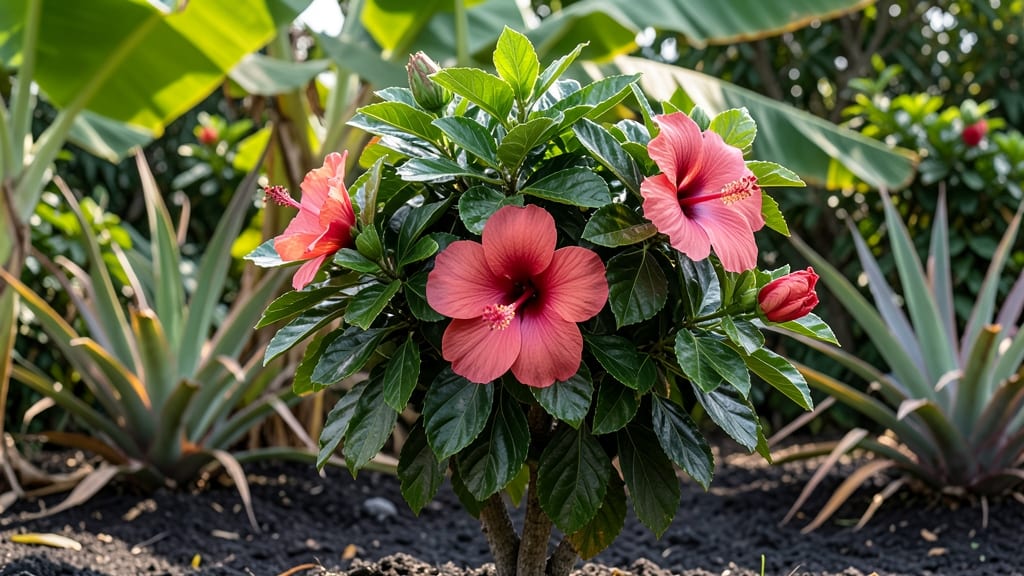
The hibiscus flower size can range from dainty 2-inch blooms to giant 12-inch dinner-plate displays 🌸 — and the difference comes down to variety, care, and a little strategic pruning.
If you’ve ever admired a hibiscus flower’s bold beauty, you’ve probably noticed they come in all sizes—from delicate tabletop blooms to showstopping giants that dwarf even the tallest gardeners.
But how do these varieties compare, and which one fits your space? We’ll break down hibiscus flower sizes by species, from miniature wonders to towering tropical statements.
Some hibiscus thrive in containers, producing smaller but vibrant blooms perfect for patios, while others grow into 6-foot-tall shrubs with flowers the size of your palm. The key? Sunlight, soil, and knowing when to trim.
Below, we’ll show you how to encourage the blooms you love—whether you dream of tiny tea-saucer flowers or dramatic statement blooms that steal the show.
Ready to pick the perfect hibiscus for your garden? Discover which varieties fit your space, how to coax bigger blooms, and why some gardeners swear by pruning in late winter. Let’s dive in!


Hibiscus flower size by species: miniature to massive blooms
Hibiscus flowers are famous for their dramatic petals, but did you know they range from tiny dinner-plate-sized blooms to giant dinner-plate-sized flowers that can reach 12 inches across?
The variety in hibiscus flower size is one of my favorite things about growing them—it lets you choose a plant that fits your garden vision, from delicate container displays to bold focal points. Let’s explore the spectrum, starting with the smallest and working our way up to the giants.
When selecting hibiscus, consider both flower diameter and plant height. A miniature hibiscus might have dainty 2-inch blooms but still grow 3 feet tall, while a tropical giant could produce 10-inch flowers on a 15-foot plant.
Your space, sunlight, and design goals will help you decide which size is right for you. For example, a patio garden might suit a dwarf variety, while a backyard border could showcase a towering tropical hibiscus.
If you’re dreaming of compact hibiscus for small spaces, varieties like Hibiscus ‘Lil’ Darling’ or ‘Mini Masterpiece’ are perfect. Their 2-inch blooms and 3-foot height make them ideal for containers, window boxes, or balcony gardens.
These dwarf hibiscus thrive in USDA Zones 9–11 and can even be grown as annuals in cooler climates. Their delicate petals add a touch of elegance without overwhelming your space.
For a mid-sized statement, hardy hibiscus like Hibiscus moscheutos deliver 5–8 inch blooms on plants that reach 4–6 feet tall. These are my go-to for perennial borders because they’re cold-hardy down to Zone 5 and bloom from midsummer to fall.
Their dinner-plate-sized flowers make them a showstopper in cottage gardens or mixed borders. Pair them with black-eyed Susans or coneflowers for a long-lasting display.
Now, if you’re after dramatic tropical vibes, nothing beats the Hibiscus rosa-sinensis. This species includes some of the largest hibiscus flowers, with 6–10 inch blooms that can dwarf a basketball in some varieties. Plants can grow 6–15 feet tall, making them perfect for
How hibiscus flower size affects your garden design
The hibiscus flower size you choose dramatically impacts your garden’s layout and visual flow. A 6-foot-tall hardy hibiscus (like Hibiscus moscheutos) makes a bold focal point near patios, while dwarf varieties (like Hibiscus ‘Lil’ Darling’) thrive in containers or tight borders.
The right size can turn a small balcony into a lush retreat or anchor a sprawling landscape with drama.
Sunlight needs also shift with size—large-flowered tropical hibiscus demand full sun (6+ hours) to support their energy-intensive blooms, while smaller varieties tolerate partial shade. Pairing them correctly ensures both types flourish without competing for resources. Let’s explore how to match hibiscus sizes to your space and design goals.
🌿 Hibiscus Size Guide for Garden Design
- 🪴 Containers: Dwarf hibiscus (2–4 ft tall) like ‘Mini Masterpiece’ (2-inch blooms) or ‘Lil’ Darling’ (3-inch blooms). Perfect for patios or windowsills with 5-gallon pots and well-draining soil.
- 🌳 Borders: Semi-dwarf varieties (4–6 ft tall) such as ‘Dwarf Blue’ or ‘Pride of Barbados’ (4–6 inch blooms). Plant in 3–4 foot spacing for a lush, low-maintenance hedge with seasonal color.
- 🌅 Focal Points: Standard hibiscus (6–15 ft tall) like ‘Disco Belle’ (8–10 inch blooms) or hardy hibiscus (10–12 inch blooms). Position near entryways or water features where their dramatic blooms command attention.
-
🌿 Companion Plants:
- Small hibiscus: Pair with coleus, begonias, or fuchsias for layered texture.
- Large hibiscus: Combine with ornamental grasses (like Miscanthus) or roses for height contrast.
-
☀️ Sunlight Tips:
- Full sun (6+ hrs): Essential for large blooms and tropical hibiscus.
- Partial shade (3–4 hrs): Suitable for smaller varieties in hot climates (e.g., Zone 9+).
Seasonal performance also plays a role—hardy hibiscus (like Hibiscus moscheutos) bloom from mid-summer to frost, while tropical hibiscus offer year-round color in warm zones.
For example, a 6-foot ‘Disco Belle’ planted near a south-facing wall will produce 10-inch blooms all summer, while a 3-foot ‘Lil’ Darling’ in a hanging basket adds cascading color to a balcony.
To create visual impact, mix small and large hibiscus in layers. Place tall varieties at the back of borders, medium-height plants in the middle, and dwarf types in front.
For instance, pair a 12-foot ‘Tropical Sunset’ with a 4-foot ‘Dwarf Blue’ and spiller plants like petunias for a dynamic, multi-level display.
Don’t overlook seasonal color shifts—some hibiscus (like ‘Lord Baltimore’) change hues from pink to red as they age, adding movement to your design. For a low-maintenance look, group similar-sized hibiscus together with evergreen shrubs (like boxwood) to frame their blooms year-round.
Ready to design? Start by measuring your space, then choose hibiscus sizes that complement your garden’s scale. Whether you crave tiny tea-saucer blooms or showstopping giants, the right variety will transform your outdoor space into a vibrant, personalized retreat. 🌸