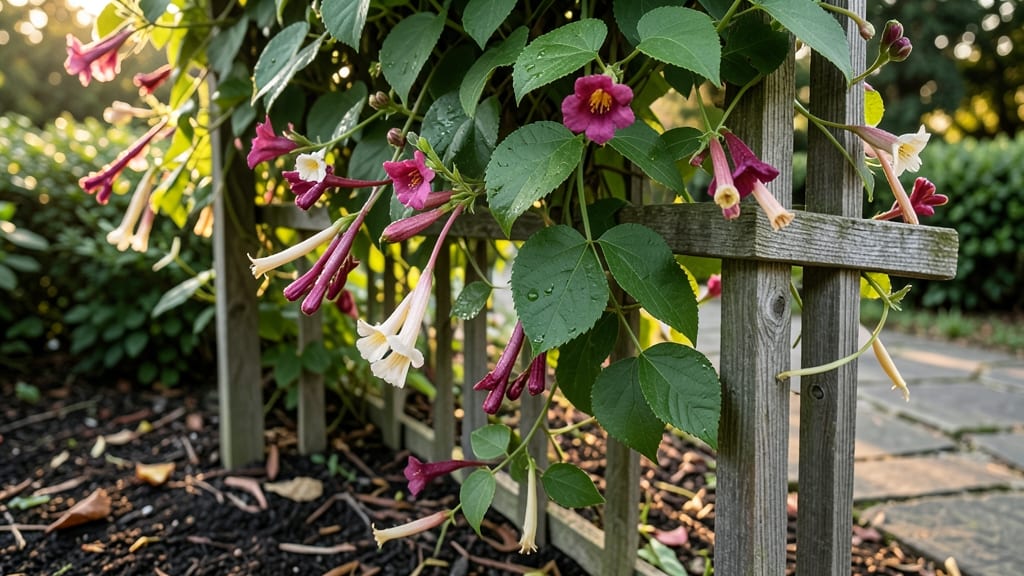
The stunning honeysuckle flower colors you’ve always imagined go far beyond the classic yellow—think snowy whites, blush pinks, deep reds, and even rare lavenders that turn heads in every season.
Most gardeners overlook these vibrant options, missing out on the chance to create a fragrant, eye-catching display that draws pollinators and sets the mood for your outdoor space. Whether you’re aiming for a romantic cottage garden or a bold modern look, the right honeysuckle colors can make all the difference.
In this guide, I’ll walk you through the most breathtaking honeysuckle varieties, their blooming seasons, and how to pair them for maximum impact. Plus, I’ll share pro tips to keep those colors popping year after year—no green thumb required.
Ready to transform your garden? Let’s dive into the world of honeysuckle hues and discover which varieties will steal the show in your landscape.
10 Rare honeysuckle flower colors beyond the classic yellow
When most people think of honeysuckle flowers, they picture bright yellow blooms with intoxicating fragrance. But the world of honeysuckles is far more colorful—and versatile—than you might imagine.
These climbing vines come in shades that range from pristine whites to deep purples, offering endless possibilities for gardeners who want to create stunning visual contrasts and attract pollinators year-round.
I’ve grown rare honeysuckle varieties for years, and the difference they make in my garden is nothing short of magical. Whether you're aiming for a romantic cottage garden or a bold, modern landscape, these unusual honeysuckle colors will elevate your outdoor space.
Let’s explore the most breathtaking options and how they can transform your garden.
| Variety |
Color |
Bloom Season |
Height |
Pollinator Appeal |
| Lonicera 'Snow Mound' |
Pure White |
Late Spring |
10-15 ft |
High (butterflies, bees) |
| Lonicera 'Pink Perfection' |
Soft Pink |
Early Summer |
8-12 ft |
Very High (hummingbirds) |
| Lonicera 'Red Cascade' |
Deep Red |
Mid-Summer |
12-18 ft |
High (bees, moths) |
| Lonicera 'Lavender Dream' |
Lavender |
Late Summer |
6-10 ft |
Moderate (butterflies) |
| Lonicera 'Golden Haze' |
Pale Yellow |
Early Fall |
10-15 ft |
High (bees, hummingbirds) |
| Lonicera 'Blush Beauty' |
Blush Pink |
Late Spring |
8-12 ft |
Very High (hummingbirds) |
| Lonicera 'Ruby Glow' |
Crimson |
Mid-Summer |
12-18 ft |
High (bees, moths) |
| Lonicera 'Moonlight' |
Ivory White |
Early Summer |
10-15 ft |
High (butterflies) |
| Lonicera 'Purple Haze' |
Lilac Purple |
Late Summer |
6-10 ft |
Moderate (butterflies) |
Best honeysuckle colors by season: when to plant for year-round blooms
Timing your honeysuckle planting by color ensures your garden stays vibrant from early spring through late fall. Each hue has a unique blooming window, so strategic placement creates a seamless color transition.
For example, white honeysuckles like 'Annabelle' kick off the show in late spring, while deep red varieties like 'Red Spider' shine in summer's heat.
The key to year-round interest lies in understanding each color's optimal planting window and climate preferences. In cooler regions (USDA Zones 4-6), plant early bloomers like 'Lemoine' in late April, while tropical varieties such as 'Belle of Woking' thrive when planted in May or June after soil warms.
Let's break down the best timing for each stunning hue.
1
White Honeysuckle (e.g., 'Annabelle')
Bloom Season: Late spring to early summer
Planting Window: March-April (Zones 5-9)
Climate Note: Thrives in cool to moderate temps; avoid hot summers for best fragrance
2
Pink Honeysuckle (e.g., 'Pink Perfection')
Bloom Season: Mid-summer to early fall
Planting Window: April-May (Zones 6-10)
Climate Note: Loves warmth but tolerates light frost; ideal for humid climates
3
Yellow Honeysuckle (e.g., 'Golden Trumpet')
Bloom Season: Early summer to late summer
Planting Window: Late April (Zones 4-8)
Climate Note: Cold-hardy variety; perfect for northern gardens with short growing seasons
For a fall finale, plant deep purple varieties like 'Purpureus' in early June—they'll reward you with late-season blooms when other flowers fade. In southern climates (Zones 9-11), extend your display by planting tropical varieties like 'Mandarin' in late summer for winter blooms.
The secret? Succession planting ensures no color gap exists between seasons.
Pro tip: Pair early bloomers with late-season varieties on the same trellis for continuous vertical interest. For example, combine white Annabelle (spring) with red Spider (fall) on a 6-foot arbor—your garden will look like a living watercolor all year long. 🌸
★★★★★4.8(14 reviews)