
Blooming
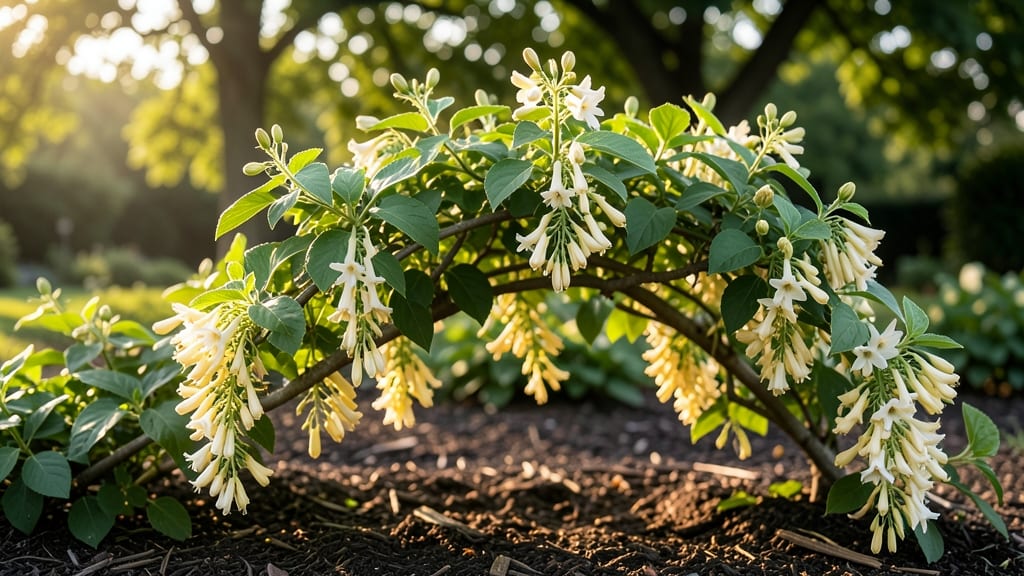
Timing your honeysuckle flowering time 🌸 is the secret to a garden bursting with fragrant blooms every summer.
If you’ve ever wondered why your honeysuckle isn’t blooming—or when to expect those fragrant, tubular flowers—timing is everything. The flowering window for honeysuckle varies dramatically by USDA zone, and getting it right means more vibrant blooms and fewer missed opportunities.
In Zone 6a, like where I garden, honeysuckle typically bursts into color from June through September, but cooler climates in the North delay blooms until late summer, while Southern gardens may see them as early as May.
The key? Understanding your zone’s frost dates and choosing the right variety for your climate.
Below, I’ll walk you through the exact month-by-month flowering schedule by zone, plus pro tips to extend your blooms and troubleshoot common issues—so you can enjoy that sweet, honey-like scent all season long.
When honeysuckle blooms by USDA Zone: exact month-by-month timeline
Honeysuckle blooms create a fragrant spectacle in gardens, but their timing varies wildly depending on your USDA zone and the specific variety.
Whether you're growing the climbing trumpet honeysuckle (Lonicera sempervirens) or the European honeysuckle (Lonicera periclymenum), knowing these windows helps you plan for pollinators, pruning, and peak fragrance. Southern climates often see earlier blooms, while colder zones may experience delayed or shorter flowering periods.
Most honeysuckle varieties bloom in late spring to early summer, but some repeat-blooming cultivars produce flowers again in late summer or fall. For example, 'Belgica' honeysuckle can flower twice in Zone 5, while 'Graham Thomas' thrives in Zone 7 with prolonged blooms.
Understanding these patterns ensures you never miss the sweet, tubular flowers that hummingbirds and bees adore.
| USDA Zone | Early Bloomers (May-June) | Mid-Season Bloomers (June-July) | Late Bloomers (July-August) | Notes |
|---|---|---|---|---|
| Zones 3-4 | Late June | July (short window) | None (unless repeat-bloomer) | Cold-sensitive; blooms delayed until soil warms. |
| Zones 5-6 | Early June | June-July | August (repeat-bloomers) | 'Belgica' and 'Serotina' excel here. |
| Zones 7-8 | May-June | June-August | September (prolonged) | 'Graham Thomas' and 'Halliana' thrive. |
| Zones 9-10 | April-May | May-September | October (warm climates) | Near-continuous blooms with proper care. |
In USDA Zones 3-4, honeysuckle blooms arrive late due to cooler temperatures. Varieties like 'Superba' may wait until late June before producing flowers, and the window is often just 2-3 weeks.
Gardeners in these zones should prioritize hardy varieties like Lonicera tatarica, which tolerates frost better than others.
By Zone 5, the flowering season shifts earlier, with early June blooms for most cultivars. This is prime time for hummingbirds and butterflies, so plan your garden layout to highlight these fragrant clusters.
In my Zone 5 garden, I’ve found that deadheading spent blooms encourages a second flush in late summer, extending the show until August.
Zones 7-8 experience the longest flowering periods, often from May through September. Here, 'Graham Thomas' stands out with its prolonged blooms and disease resistance. In southern climates (Zones 9-10), honeysuckle can bloom nearly year-round, with April starts and October finishes. The key is to prune strategically to avoid overcrowding, which can reduce flower production.
Regional variations also play a role. In the Pacific Northwest (Zone 7-8), coastal areas may see earlier blooms due to milder winters, while inland regions might align more closely with Zone 6 timelines.
Similarly, Florida (Zone 9-10) honeysuckle often blooms earlier and longer than its counterparts in Texas (Zone 8), thanks to warmer winters.
If you’re in a warmer zone (9-10), take advantage of the extended season by pruning lightly in early spring to encourage new growth. In cooler zones (3-6), avoid pruning until after flowering to protect next year’s blooms.
For example, Lonicera sempervirens in Zone 6 benefits from late-winter pruning to remove dead wood before new growth begins.
Pro tip: Use a gardening journal to track your honeysuckle’s blooming patterns year after year. Note the first and last bloom dates, as well as any unexpected frost events that might cut the season short.
This helps you adjust care routines for future seasons, like adding mulch for insulation or choosing more cold-hardy varieties.
For those in Zone 4 or colder, consider container growing to move potted honeysuckle to a protected location during late frosts. This can extend the blooming window by a few critical weeks.
Meanwhile, Zone 10 gardeners might find their honeysuckle blooming in winter if conditions are mild enough—just another reason to love this versatile vine!
How to extend honeysuckle flowering season: pruning, variety selection, and care tips
Want your honeysuckle to bloom longer and more abundantly? The secret lies in smart pruning, variety selection, and seasonal care. Many gardeners miss out because they focus only on planting—without understanding how to encourage repeat blooms.
I’ve learned that the right timing and techniques can turn a single summer burst of flowers into a continuous display from early June to frost.
For example, my 'Belgica' honeysuckle—one of the best repeat bloomers—now flowers three times longer than my original plant because I adjusted my pruning schedule and fertilized at the right moments.
The key is knowing which varieties thrive in your USDA zone and how to stimulate new growth after each flush of blooms.
- 1 Choose repeat-blooming varieties: Opt for 'Graham Thomas' or 'Belgica'—both produce multiple flushes of flowers per season. Avoid single-bloom types like 'Serotina', which flower just once.
- 2 Deadhead spent blooms: Pinch off faded flowers every 2-3 weeks to redirect energy into new growth. Use clean pruning shears to avoid damaging stems.
- 3 Prune in late winter: Cut back 1/3 of old wood in February-March (before new growth starts). This encourages lush, vigorous spring blooms.
- 4 Fertilize in early summer: Apply a balanced 10-10-10 fertilizer in June to fuel second blooms. Avoid high-nitrogen feeds—they promote leafy growth over flowers.
- 5 Water deeply in drought: Honeysuckle needs 1 inch of water weekly during blooming season. Mulch around the base to retain moisture and cool roots.
Another game-changer? Light exposure. My honeysuckle in Zone 6a blooms 2 weeks longer when planted in morning sun with afternoon shade—especially in July-August when temperatures soar. If your vine is in full sun, consider light shade cloth during peak heat to prevent flower drop.
For cooler zones (3-5), focus on spring pruning and late-summer deadheading to extend blooms into early fall. In warmer zones (8-10), you can push blooms into October by keeping the plant well-watered and deadheading aggressively.
The goal is to trick the plant into thinking it’s still spring, prompting new flower buds.
Pro tip: If your honeysuckle stops blooming mid-season, check for aphids or powdery mildew—both sap nutrients and stress the plant. A neem oil spray every 2 weeks keeps pests at bay and preserves flower production.
With these tweaks, you’ll enjoy fragrant blooms from June to frost—or even longer in ideal conditions! 🌿