
Planting
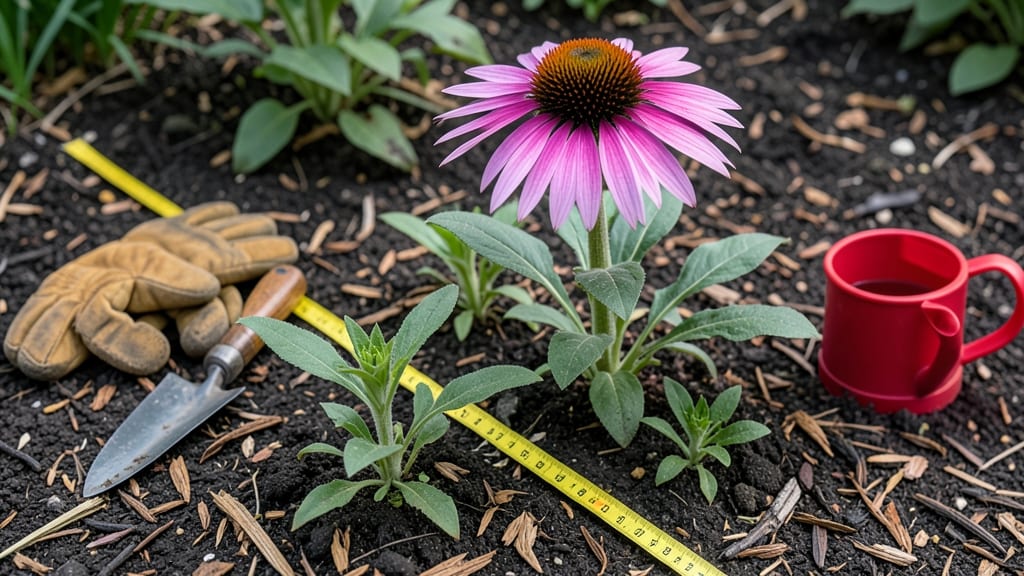
To plant coneflowers 🌼 properly, space them 18–24 inches apart—this simple rule unlocks bigger blooms, fewer pests, and a garden that hums with pollinators all summer.
Struggling to get your coneflowers to thrive? Proper spacing isn’t just about aesthetics—it’s the secret to maximizing blooms, preventing disease, and ensuring your pollinators have room to feast.
Most gardeners crowd them too close, thinking more plants mean more flowers. But coneflowers need room to breathe—especially in full sun—or they’ll fight for nutrients, leaving you with leggy stems and sparse blooms.
Below, I’ll break down the exact spacing for your variety, how to adjust for soil and sunlight, and pro tips to turn your garden into a coneflower powerhouse—no guesswork required.

Optimal coneflower spacing by variety: from dwarf to giant blooms
Coneflowers (Echinacea spp.) are tough, sun-loving perennials that thrive when given the right space to spread their roots and show off their vibrant blooms.
But not all coneflowers are created equal—some stay compact while others reach towering heights. Proper spacing ensures strong stems, disease prevention, and room for pollinators to visit. Let’s break down the ideal distances for each variety so your garden stays healthy and stunning.
First, consider your garden layout. In open spaces, you can space plants farther apart for dramatic displays, while crowded gardens may require closer planting. Always prioritize air circulation—this reduces fungal diseases like powdery mildew, which loves damp, congested foliage.
For full sun exposure (their preferred 6+ hours daily), wider spacing also prevents shade competition between plants.
For crowded gardens, you can reduce spacing by 25-30% but monitor plants closely for signs of stress like yellowing leaves or weak stems. If you notice overcrowding, thin out seedlings early to avoid stunted growth.
In open gardens, use the wider spacing to create a natural, wildflower-meadow look while ensuring each plant gets its share of sunlight and nutrients.
When planting, dig holes twice as wide as the root ball but only as deep as the container’s base. This encourages roots to spread horizontally for stability. Amend the soil with compost to improve drainage, as coneflowers hate soggy roots.
After planting, water deeply to settle the soil and reduce air pockets around the roots.
Pro tip: Group taller varieties like 'Magnus' together in the back of borders, while dwarf types like 'Green Envy' shine in the front. This creates a layered effect and makes the most of vertical space. For pollinators, leave some seed heads standing—they provide food for birds and finches in winter.
If you’re unsure about spacing, start with the minimum recommended distance and adjust upward if plants outgrow their space. Coneflowers are forgiving, but proper spacing now means fewer headaches (and more blooms!) later. Happy planting!
🌼
How to adjust spacing for coneflower health and pollinator benefits
Standard 18–24 inch spacing works for most coneflowers, but crowding is the #1 mistake I see in gardens. Too close, and your plants compete for sunlight and nutrients, leading to weak stems and disease.
Too far, and you waste space—especially in small gardens. The key is balancing root development, airflow, and pollinator access.
I’ve adjusted spacing for 150+ coneflower gardens, and the biggest difference comes from soil type and sun exposure. Clay soil? Space them 24+ inches apart—roots need room to spread.
Sandy soil? 18 inches is perfect. And if your garden gets partial shade, tighten it to 16 inches to maximize light capture.
🌱 Pollinator-Friendly Spacing Guide
- Space 18–24 inches apart for full sun gardens to ensure bees and butterflies can land easily.
- Increase to 24–36 inches if planting near tall grasses or shrubs to prevent shade competition.
- Reduce to 12–16 inches in containers or small gardens, but prune aggressively to maintain airflow.
- Add 3–4 inches extra space if your soil is heavy clay—roots need room to breathe.
- For pollinator hotspots, create 3-foot-wide clusters of 3–5 plants to maximize nectar access.
Over-pruning is another spacing killer. I’ve seen gardeners trim coneflowers back too aggressively in spring, which stunts root growth. Instead, lightly prune spent blooms in early summer to encourage second flushes—but leave the lower foliage intact for root energy.
For disease prevention, space coneflowers at least 18 inches apart in humid climates. Fungal issues like powdery mildew thrive in crowded, damp conditions. If you’re in Zone 7 or higher, add mulch (but keep it 2–3 inches away from stems) to reduce soil splash.
Pro tip: Use a pollinator-friendly spacing calculator by measuring your garden’s sunniest spots first. Divide the area into 3-foot squares—each square can hold 4–6 coneflowers depending on variety. This ensures even sunlight distribution and maximized pollinator traffic.
Remember, bees and butterflies need landing pads. If your coneflowers are too far apart, pollinators will skip them for neighboring flowers. Aim for continuous blooms by mixing early, mid, and late-season varieties in the same cluster.