
How To
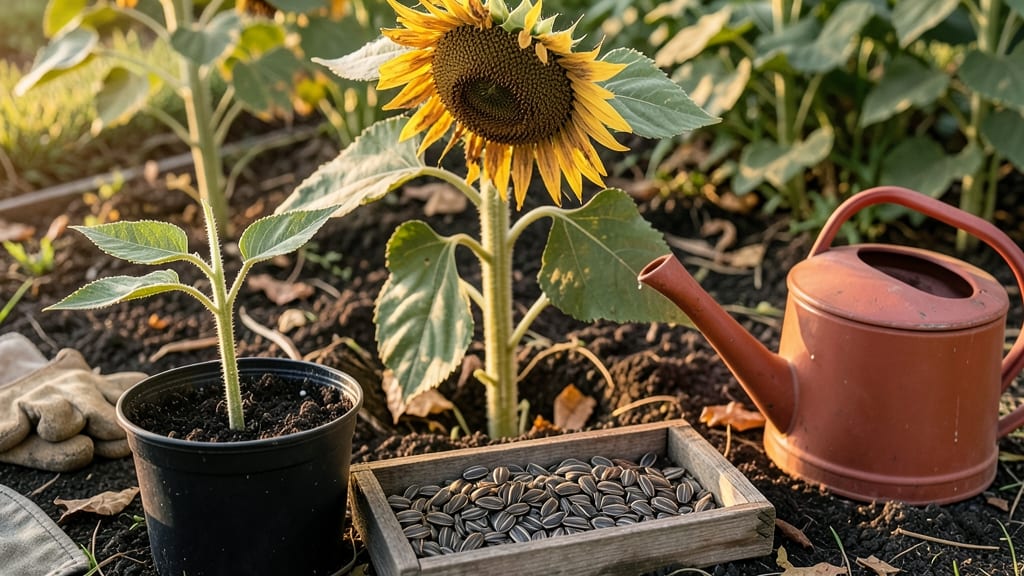
Sunflower seeds grow surprisingly fast once they break through the soil—some varieties sprout in just 3 to 10 days under ideal conditions, and you can see 3-foot stems by mid-summer.
Picture this: you plant a seed in early May, and by July, you’re measuring a towering 🌻 that’s already taller than you. But here’s the catch—speed depends on your climate, soil prep, and even the variety you choose.
A quick-germinating type like Teddy Bear might outpace a giant Mammoth, and a hot summer can shave weeks off the timeline.
If you’ve ever wondered how to coax your sunflowers into growing faster, the secret lies in timing, moisture, and sunlight. Too little water or shade slows them down, while the right balance can turn weeks into days.
Below, I’ll break down the exact stages—from first sprout to full height—and share the pro tips that cut growth time in half.
Ready to turn your garden into a sunflower race? You’ll learn how to track progress, spot delays early, and even predict bloom dates like a pro. Let’s get those seeds growing!


Sunflower seed germination speed: days to first sprout by variety
Sunflower seeds are famous for their dramatic transformation from tiny kernels to towering plants, but their germination speed varies dramatically between varieties. While some fast-germinating types pop up in just 3–5 days, others may take 10–14 days to crack through the soil.
The key factors? Soil temperature, moisture levels, and even the depth of planting. For example, Russian Giant seeds often sprout faster in warm soil, while Teddy Bear varieties may linger if the ground stays cool.
Most sunflower seeds need soil temperatures above 50°F (10°C) to germinate consistently. If your spring soil is still chilly, consider using a seedling heat mat or waiting until after your last frost date.
I’ve seen Mammoth varieties germinate in just 4 days when planted in 60°F (15°C) soil, but the same seeds might take 2 weeks in 50°F (10°C) conditions. Light exposure also plays a role—some varieties need sunlight to germinate, while others thrive in darkness until sprouting.
Here’s how popular varieties compare in terms of germination speed, along with their ideal conditions for the fastest starts:
The Russian Giant variety is the clear winner for speed, often sprouting in just 3–5 days when conditions are ideal. If you’re eager to see results, this is the variety to choose. However, Autumn Beauty may take longer to germinate but rewards you with vibrant, long-lasting blooms that attract pollinators.
For container gardening, Sunspot is a reliable pick—its 7–10 day germination makes it perfect for small spaces.
Planting depth also affects speed: bury seeds 1–2 inches deep for most varieties, but never deeper than 2 inches, or germination slows dramatically.
I once planted Mammoth seeds 3 inches deep by accident, and they took 18 days to sprout—nearly double the usual time! Moisture consistency is another critical factor. Keep the soil evenly moist (not soggy) until sprouts appear.
A spray bottle works well for container-grown seeds, while a gentle watering can suffices for in-ground plantings.
Light exposure matters too. Some sunflower varieties, like Russian Giant, need direct sunlight to germinate, while others (like Teddy Bear) can handle partial shade. If you’re starting seeds indoors, place them under a grow light once they sprout to prevent leggy seedlings.
I’ve found that seedlings grown under LED grow lights for 14–16 hours daily develop stronger stems and faster growth after transplanting.
One common mistake gardeners make is overwatering after germination. While seeds need moisture to sprout, excess water can cause rot or fungal issues. Once sprouts appear, reduce watering slightly and let the top inch of soil dry out between waterings.
For fastest results, aim for soil temperatures between 60–70°F (15–21°C), 1–2 inch planting depth, and consistent moisture. With these conditions, you’ll see those first tiny green shoots in as little as 3–5 days!
If your seeds take longer than expected, don’t panic. Sunflower seeds can germinate for up to 3 weeks under ideal conditions, though most varieties sprout within
Sunflower growth stages timeline: weeks to full height (with height projections)
Tracking your sunflower’s growth week by week is like watching a time-lapse of nature’s speediest giants. By week 4, most varieties reach 1–2 feet tall, and with the right conditions, they can shoot up 3–4 feet per week during peak summer growth.
But here’s the twist: cooler climates (like USDA zones 3–5) slow progress, while hotter zones (like USDA 8–10) can double growth speed.
For example, a Mammoth sunflower planted in zone 9 might hit 6 feet by week 6 and 10+ feet by week 10, while the same variety in zone 5 could take 2–3 extra weeks to reach half that height.
Understanding these milestones helps you adjust care—like adding phosphorus-rich fertilizer at the right time—to keep your sunflowers racing toward their full potential.
| Stage | Height Range | Time to Reach (Weeks) | Key Growth Notes |
|---|---|---|---|
| Germination | 0 inches | 0.5–1 week | Soil temp: 70°F+; sprouts in 3–10 days |
| Seedling | 3–6 inches | 2–3 weeks | Thin to 12–18 inches apart; needs full sun |
| Vegetative | 2–4 feet | 4–6 weeks | Rapid stem growth; add phosphorus fertilizer |
| Budding | 5–8 feet | 7–9 weeks | Flower head forms; reduce water slightly |
| Mature | 8–15 feet | 10–12 weeks | Full bloom; harvest seeds when back turns brown |
One of my favorite tricks for tracking progress is marking the stem height every 7 days with a wooden stake. For instance, if your Teddy Bear variety (a dwarf type) hits 3 feet by week 5, you’re on track—whereas a Russian Giant should be 6 feet by then.
If growth stalls, check for nutrient deficiencies (yellow leaves) or pests (chewed stems), which can set your sunflower back 1–2 weeks.
Climate plays a huge role: in USDA zone 10, sunflowers can grow 2–3 feet per week during summer, while in zone 4, they might only add 1 foot per week.
To speed things up in cooler areas, use black plastic mulch to warm the soil or plant in containers near a sunny wall. I’ve seen container-grown sunflowers in zone 5 bloom 3 weeks earlier than those planted in the ground!
By week 8–10, most sunflowers enter their final growth spurt, adding 1–2 feet per week until they reach maturity. This is when you’ll notice the flower head start to form—if it’s lagging, a light nitrogen boost can jumpstart it.
Pro tip: Stake tall varieties early (like Mammoths) to prevent them from toppling when they hit 10+ feet.
Knowing these milestones turns guesswork into a predictable plan. For example, if you plant on May 1st in zone 7, expect full bloom by late July—just in time for summer photos!
Use this timeline to adjust your harvest schedule or even plan companion plants (like basil) to thrive alongside your sunflowers’ rapid growth.