
How To
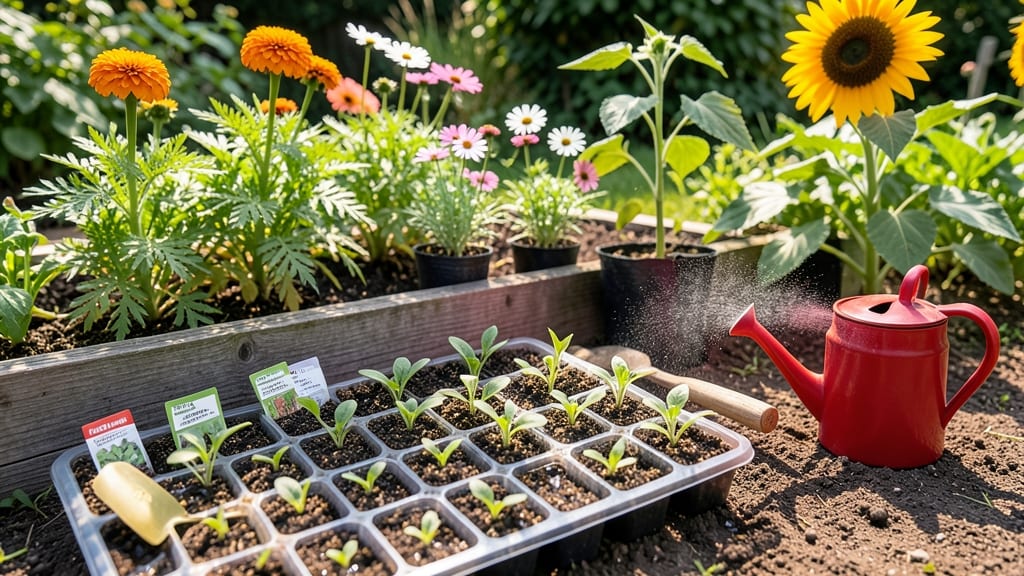
Growing flower seeds takes anywhere from 3 days to 6 weeks, depending on the type, soil warmth, and light—so don’t expect instant blooms!
Wondering why your 🌸 flower seeds seem to take forever? Some varieties, like zinnias, pop up in a week, while others, like lavender, play the waiting game. The secret? A cozy, moist environment with just the right balance of light and heat can shave weeks off your wait.
Below, I’ll break down the fastest and slowest germinators, plus science-backed tricks to speed things along—no magic required. You’ll also learn when to transplant seedlings and how to spot signs of trouble before they derail your garden dreams.
Ready to turn those tiny seeds into vibrant blooms? Let’s get started with the timeline, tips, and tools you need for success.


Flower seed germination timeline by type: fastest to slowest bloomers
Not all flower seeds sprout at the same speed—some pop up in days while others take weeks or even months to break dormancy. Understanding these germination timelines helps you plan your garden and avoid frustration when waiting for those first green shoots.
Fast germinators like marigolds and zinnias reward patience with quick results, while lavender and snapdragons demand more time and the right conditions. The key? Matching seed types to your growing zone and soil warmth.
Seed age plays a critical role in germination speed. Fresh seeds from the current year often sprout faster than last year’s stash, which may have lost viability. Always check the packaging date—seeds older than 1-2 years may need pre-treatment (like soaking) to break dormancy.
For example, sunflower seeds stored for 3+ years might take twice as long to germinate compared to fresh ones. Test a few seeds first to gauge their readiness!
Annual flowers like zinnias and marigolds top the list for speed, often sprouting within a week under ideal conditions. These fast germinators thrive in warm soil (70–85°F) and bright light, making them perfect for impatient gardeners.
Plant them after the last frost when soil temps consistently stay above 60°F. For example, my zinnias shot up in just 4 days when I used a seedling heat mat—no waiting months for blooms!
Perennials and slow-germinating flowers like lavender or roses demand more time and often need pre-treatment. Stratification (mimicking winter cold) or scarification (nick the seed coat) can cut weeks off their germination time. For instance, snapdragons may take 3 weeks to sprout if planted too early in cool soil.
Always check the seed packet for specific instructions—some varieties need light to germinate, while others prefer darkness.
Tropical flowers like orchids or hibiscus push the limits, sometimes taking 2–3 months to
5 Science-backed tricks to speed up germination without chemicals
If your flower seeds seem stuck in limbo, don’t blame the seeds—blame the conditions. Most gardeners overlook simple science-backed tweaks that can slash germination time by 50% or more. The key? Mimicking a seed’s natural environment.
For example, marigolds can sprout in 3-7 days with the right warmth, while roses might need 21-30 days—but these tricks help both. Let’s dive into the fastest, chemical-free ways to coax those sprouts out.
First, heat is non-negotiable. Seeds need soil temperatures between 70-90°F to activate enzymes that break down seed coats. Use a seedling heat mat ($15-$25) or place trays on top of your fridge (yes, the warm spot underneath works!).
Pro tip: Test soil temp with a thermometer—cold soil is the #1 reason seeds fail to sprout. Even a 10°F drop can double germination time.
🌱
- 1. Warmth Hack: Use a heat mat (70-90°F) or place trays on warm appliances (like the fridge’s top). Cold soil = delayed sprouts.
- 2. Indirect Light: 12-16 hours of bright, indirect light (no direct sun yet!). Use a grow light 2-3 inches above seeds. Too much light = dried-out seeds.
- 3. Scarification: For tough-coated seeds (like lupines or delphiniums), lightly nick the seed coat with sandpaper or soak in hot water for 24 hours to mimic natural wear.
- 4. Wet Paper Towel: Place seeds between damp paper towels in a sealed bag for 24-48 hours. Check daily—mold = toss them. Works best for slow germinators like peony seeds.
- 5. Moisture Balance: Keep soil consistently moist (not soggy!). Overwatering drowns seeds, while underwatering dries them out. Use a spray bottle for precision. Cold water = shock—use room temp!
⚠️ Avoid these deadly mistakes: Burying seeds too deep (follow the seed packet’s depth—usually 2-3x seed size) or using chlorinated tap water (let it sit out for 24 hours to evaporate chlorine). I once killed a batch of pansy seeds by planting them 1 inch deep—they needed only 1/4 inch of coverage! Always check the packet.
For fastest results, combine heat + moisture + light. For example, zinnias (which sprout in 3-7 days) love a warm, humid start. Place their tray under a plastic dome with a grow light and check daily.
If you’re impatient, the paper towel method works wonders for delicate seeds like orchids—just don’t let them dry out! With these tricks, you’ll see sprouts in half the time without any chemicals.
🌿
Ready to test these? Start with your easiest seeds (like basil or marigolds) to practice—then move to trickier bloomers. The key is patience + precision. Happy growing!